
Automotive Aesthetic Enhancement 2026: Boost Value 20%
- optyxautostudio
- Mar 2
- 10 min read

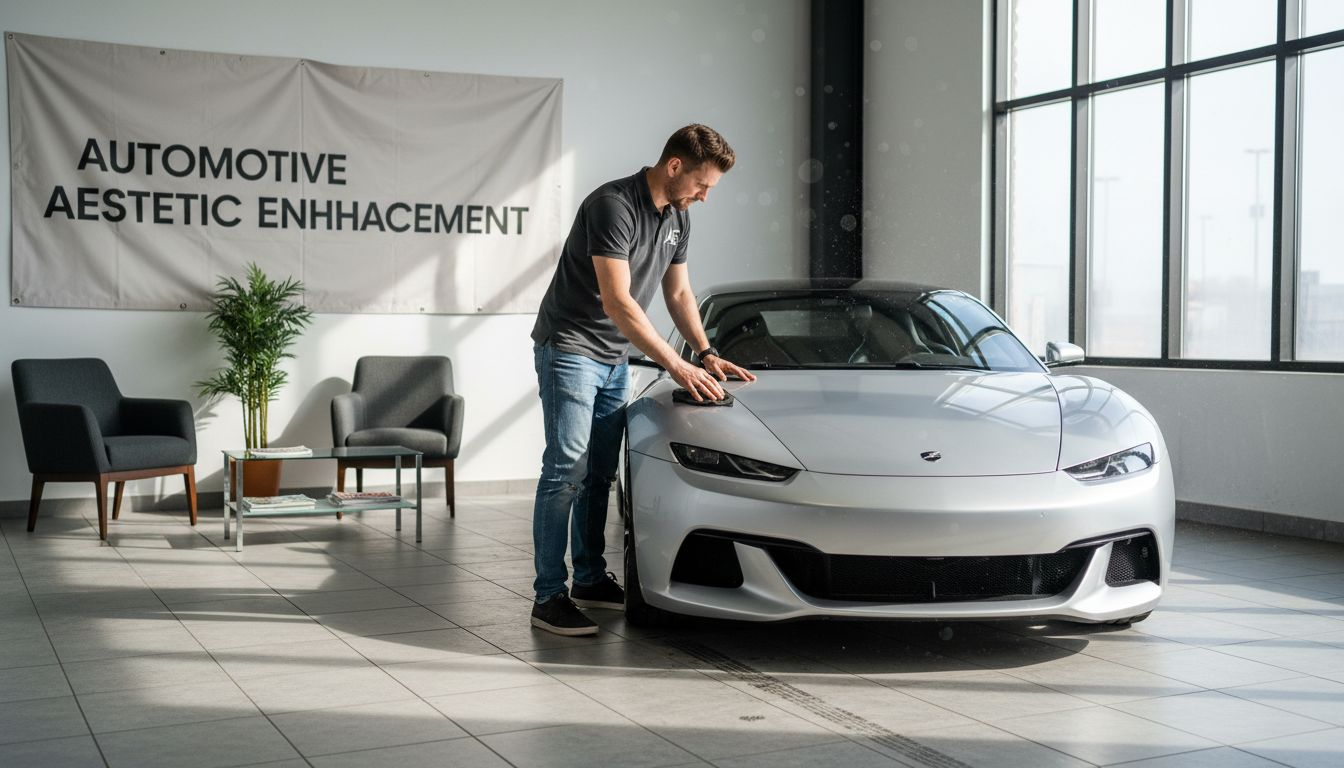
Think automotive aesthetic enhancements are just for looks? Think again. They protect your vehicle’s paint and value. Paint protection film reduces paint chip incidence by over 90%, making it a critical investment for Washington and Idaho owners. This guide helps you select premium enhancement solutions that balance appearance and protection, addressing local environmental challenges while maximizing your vehicle’s resale value and visual appeal.
Table of Contents
Key Takeaways
Point | Details |
Dual Purpose | Aesthetic enhancements improve appearance while providing durable protection against environmental damage. |
Protection Types | Ceramic coatings offer chemical bonding and UV resistance; PPF provides physical barrier protection. |
Regional Factors | Washington’s rainfall and Idaho’s road salt require tailored enhancement selections for optimal performance. |
Professional Value | Certified installation ensures up to 90% better longevity compared to DIY applications. |
Investment Return | Investing 15-30% of vehicle value can increase resale by up to 20% after three years. |
Introduction to Automotive Aesthetic Enhancement
Automotive aesthetic enhancement combines appearance improvements with physical and chemical protection. It’s more than cosmetic work. These enhancements shield your vehicle from environmental damage while maintaining showroom appeal.
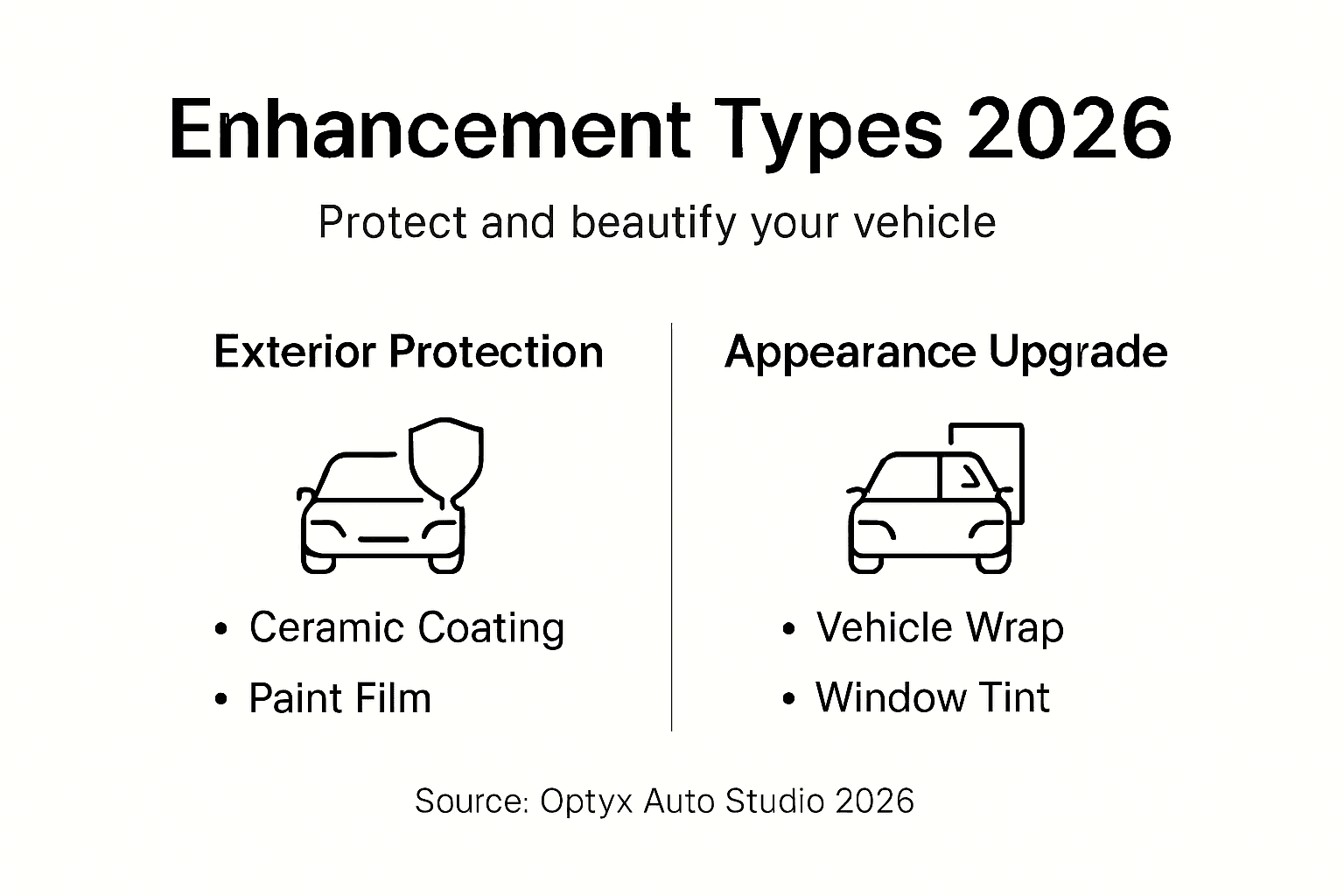
Core enhancement types address different needs. Ceramic coatings create hydrophobic surfaces that repel water and contaminants. Paint protection film explained how thin, transparent barriers absorb impact from road debris. Custom wraps transform vehicle appearance while adding a protective layer. Ceramic window tinting reduces interior heat and UV exposure.
Washington and Idaho owners face specific environmental challenges. Heavy rainfall accelerates paint oxidation. Road salt corrodes unprotected surfaces. UV exposure degrades clear coat over time. Premium enhancements combat these factors, preserving your investment.
Vehicle value depends on appearance and condition. Well-maintained exteriors command higher resale prices. Buyers pay premium amounts for protected paint and pristine finishes. The science of ceramic coatings demonstrates how molecular bonding preserves factory paint integrity.
Key benefits include:
Protection against UV rays, oxidation, and chemical staining
Enhanced visual depth and gloss retention
Simplified maintenance through hydrophobic properties
Long-term preservation of original paint condition
Significant improvement in resale value and buyer appeal
Balancing beauty with durability requires understanding each enhancement’s protective mechanisms. Luxury car ceramic coatings achieve both goals by creating permanent chemical bonds with paint surfaces. This multidisciplinary approach ensures your vehicle looks exceptional while withstanding regional environmental stresses.
Core Types of Automotive Aesthetic Enhancements and How They Work
Each enhancement type serves distinct protective and aesthetic functions. Understanding their mechanisms helps you choose appropriate solutions for your vehicle and driving conditions.
Ceramic coatings chemically bond with paint at the molecular level. They create a permanent hydrophobic layer that repels water, dirt, and contaminants. This bonding process forms a durable shield lasting two to five years. The coating enhances gloss while providing UV protection that prevents oxidation and fading.
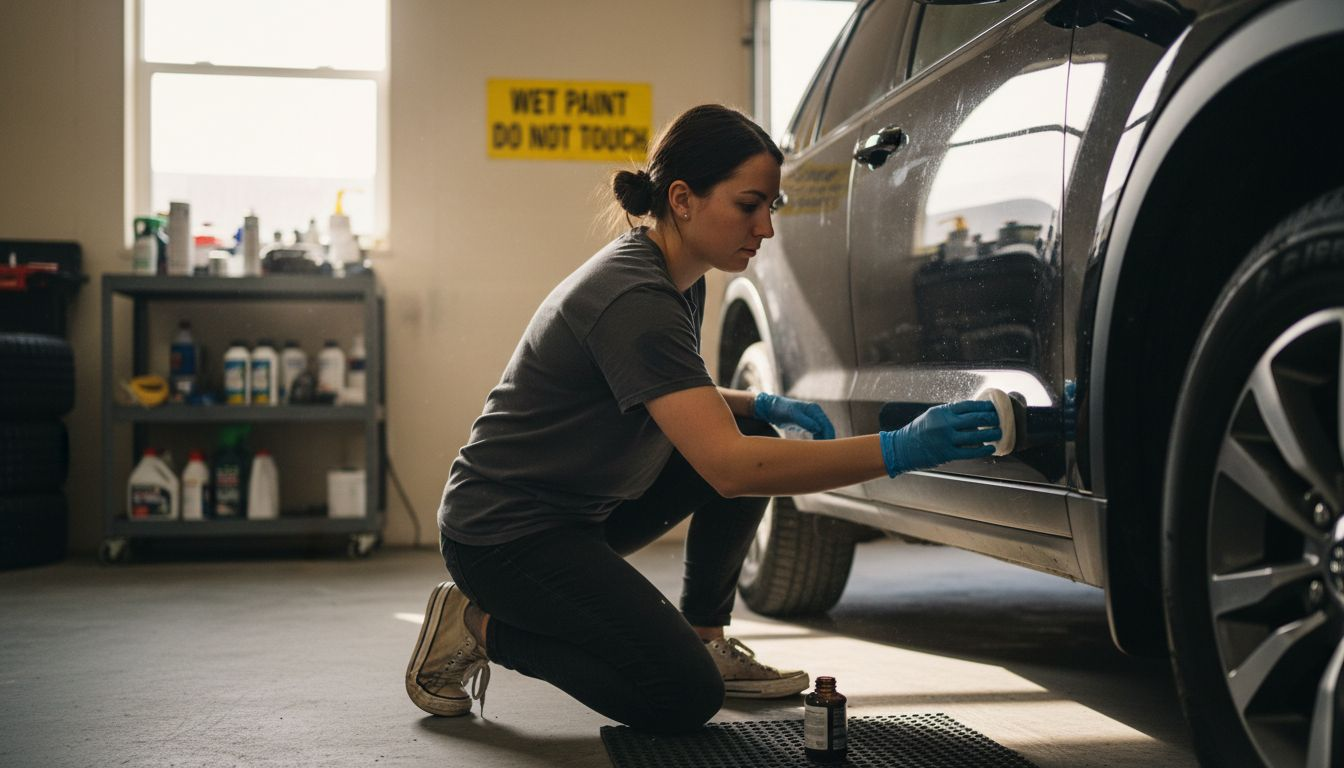
Paint protection film (PPF) provides a physical barrier that significantly reduces paint damage from stone chips, scratches, and environmental contaminants. Modern films measure six to eight mils thick yet remain virtually invisible after professional installation. PPF absorbs impact energy that would otherwise chip or scratch paint. Self-healing properties allow minor scratches to disappear with heat exposure. Properly installed film typically lasts five to seven years.
Vehicle wraps offer dramatic aesthetic changes while protecting original paint. High-quality vinyl wraps shield against minor abrasions, UV rays, and weather exposure. They enable color changes, custom graphics, or matte finishes without permanent paint modifications. Wraps last five to seven years with proper care and can be removed to reveal preserved factory paint.
Ceramic window tinting combines appearance enhancement with functional benefits. It blocks up to 99% of harmful UV rays while reducing interior heat by 60%. This protection prevents dashboard fading and reduces air conditioning load. Quality tinting maintains clarity without interfering with electronic signals.
Pro Tip: Paint correction before applying coatings or films removes surface imperfections and maximizes adhesion. This preparation step increases coating durability by up to 40% and enhances visual depth significantly.
Enhancement Type | Primary Function | Typical Durability | Protection Level | Maintenance Needs |
Ceramic Coating | Chemical barrier, hydrophobic surface | 2-5 years | UV, chemical, water spots | Gentle wash, annual inspection |
Paint Protection Film | Physical impact barrier | 5-7 years | Chips, scratches, abrasions | Regular cleaning, edge inspection |
Vehicle Wrap | Aesthetic change, surface protection | 5-7 years | UV, minor scratches, weather | Gentle cleaning, avoid high pressure |
Ceramic Tinting | UV/heat reduction | 10+ years | Interior UV, heat | Minimal, avoid ammonia cleaners |
Each enhancement addresses specific vulnerabilities. Combining multiple types provides comprehensive protection. For example, PPF on high-impact areas with ceramic coating overall delivers maximum defense against regional environmental challenges.
Common Misconceptions and Clarifications
Several myths prevent vehicle owners from making informed enhancement decisions. Addressing these misconceptions builds realistic expectations and confidence in your investment.
Many believe PPF creates a thick, visible layer that dulls paint appearance. Modern films measure only six to eight mils thick. Professional installation using precise cutting and edge-wrapping techniques renders them nearly invisible. Quality PPF actually enhances gloss and depth while providing protection.
The lifetime ceramic coating myth persists despite clear evidence. No coating lasts forever. Environmental exposure, washing frequency, and UV intensity gradually degrade even the best products. Most professional-grade ceramic coatings maintain effectiveness for two to five years. Regular maintenance extends this lifespan, but eventual reapplication becomes necessary.
DIY installation seems cost-effective but typically fails to deliver comparable results. Without proper surface preparation, controlled environments, and specialized tools, DIY applications contain defects. Bubbles, dust inclusions, and poor adhesion reduce longevity by up to 90%. Professional installations include warranties that DIY work cannot match.
Some owners skip paint correction before coating application. This mistake locks in existing swirls, scratches, and oxidation under the coating. Proper correction removes these imperfections, improving gloss by 60% or more. The coating then bonds to pristine paint, maximizing both appearance and durability.
Key clarifications include:
Paint protection film myths about visibility and bulkiness are outdated; modern films are thin and clear
Ceramic coating longevity depends on maintenance and environmental exposure, not marketing claims
Professional installation provides warranty coverage and quality assurance DIY cannot match
Paint correction is essential preparation, not an optional upsell
Hydrophobic properties reduce but don’t eliminate washing needs
Pro Tip: Always verify installer certifications and review completed work examples. Certified professionals understand product chemistry, proper application techniques, and environmental factors affecting performance. Their expertise ensures your investment delivers expected results and longevity.
Understanding these realities helps you evaluate service providers and set appropriate expectations. Quality enhancements require skilled application and realistic maintenance commitments to achieve advertised benefits.
Environmental and Regional Considerations for Washington and Idaho Vehicle Owners
Local climate factors significantly impact enhancement selection and performance. Washington and Idaho present unique environmental challenges requiring tailored protection strategies.
Washington’s heavy rainfall and humidity accelerate paint degradation. Constant moisture exposure promotes oxidation, water spotting, and contaminant bonding. Properly applied ceramic coatings slow paint degradation by up to 40% in Northwest climates. The hydrophobic surface prevents water from pooling and leaving mineral deposits.
Idaho’s road salt usage during winter months creates severe corrosion risks. Salt spray penetrates paint imperfections, attacking metal substrates underneath. PPF provides exceptional defense against this chemical assault. The film’s physical barrier prevents salt contact with paint while remaining chemically inert.
UV exposure affects both regions despite varying cloud coverage. Even overcast conditions allow UV penetration that fades paint and oxidizes clear coat. Quality ceramic coatings and PPF both offer UV-blocking properties. This protection maintains color vibrancy and prevents the chalky appearance of oxidized paint.
Temperature fluctuations stress paint and enhancement materials. Extreme cold makes some films brittle while intense heat can soften adhesives. Premium products formulated for wide temperature ranges perform reliably across regional conditions. Professional installers account for seasonal variations during application.
Driving patterns influence optimal enhancement choices. Highway commuters face constant debris bombardment requiring PPF effectiveness in Spokane coverage on front bumpers, hoods, and mirror caps. Urban drivers prioritize door edge protection and ceramic coatings to combat parking lot scratches and environmental fallout.
Regional considerations include:
High rainfall areas benefit most from hydrophobic ceramic coatings that shed water and contaminants
Road salt exposure demands PPF protection on vulnerable lower panels and wheel arches
UV protection remains critical even in frequently overcast conditions
Temperature extremes require premium materials rated for wide operating ranges
Local driving conditions dictate coverage priorities and enhancement combinations
Tailoring your enhancement selection to specific environmental factors maximizes protection effectiveness and return on investment. Understanding regional challenges helps you prioritize features that address your vehicle’s primary vulnerabilities.
Decision Criteria for Selecting the Right Enhancement Services
Balancing cost, protection needs, aesthetic goals, and regional factors guides optimal enhancement selection. A structured decision process ensures your investment delivers maximum value.
Budget considerations should align with vehicle value and protection goals. Studies indicate owners investing 15-30% of vehicle value see up to 20% better resale values after three years. This investment pays dividends through preserved appearance and reduced maintenance costs. Premium enhancements cost more initially but deliver superior longevity and protection.
Driving patterns significantly impact enhancement needs. Daily highway commuters require robust chip protection on front-facing surfaces. Urban drivers prioritize door edges, bumpers, and panels vulnerable to parking lot contact. Seasonal vehicle storage may influence coating versus film choices based on exposure duration.
Protective priorities depend on primary threats. Debris impact demands PPF coverage. Chemical exposure favors ceramic coatings. Comprehensive protection often combines both. The best ceramic coatings comparison helps identify products matching your specific needs.
Decision Factor | PPF Priority | Ceramic Coating Priority | Combined Approach |
Highway Driving | High | Medium | PPF on impact zones, coating overall |
Urban Parking | Medium | High | Coating primary, PPF on edges |
Show Vehicle | High | High | Full PPF plus ceramic top coat |
Daily Commuter | Medium | High | Strategic PPF, full coating |
Budget Conscious | Low | High | Coating only, critical PPF areas |
Installer certification and experience directly affect outcomes. Certified professionals understand product chemistry, surface preparation requirements, and application techniques. They provide warranties backing their work. Verify certifications through manufacturer websites and review completed project portfolios.
Follow this decision process:
Assess your vehicle’s value, condition, and typical operating environment
Identify primary threats based on driving patterns and regional factors
Compare enhancement options using criteria tables and PPF selection checklist resources
Obtain quotes from multiple certified installers, reviewing their experience and warranties
Schedule installation during optimal weather conditions for proper curing
Establish maintenance routines following installer recommendations
This structured approach ensures your enhancement selection addresses specific needs while fitting your budget. Thoughtful planning maximizes protection effectiveness and aesthetic satisfaction.
Professional Installation and Maintenance Best Practices
Expert installation and proper maintenance determine enhancement longevity and effectiveness. These practices protect your investment and maintain optimal performance.
Certified installers possess manufacturer training in surface preparation, product application, and quality control. Their expertise prevents common defects like bubbling, peeling, and contamination that reduce lifespan. Professional installation typically delivers up to 90% better longevity compared to DIY attempts. Installers also provide warranties covering material and workmanship defects.
Proper surface preparation is critical. Paint correction removes swirls, scratches, and oxidation before coating application. Thorough decontamination eliminates embedded iron particles and tar. Panel cleaning with isopropyl alcohol ensures perfect adhesion. The PPF installation guide details preparation steps professionals follow.
Maintenance preserves enhancement properties and appearance. Use pH-neutral wash solutions that won’t degrade coatings or films. Avoid automatic car washes with harsh chemicals or abrasive brushes. Hand washing with microfiber materials prevents scratching. Regular maintenance includes:
Gentle hand washing every two weeks using pH-neutral soap
Immediate removal of bird droppings, tree sap, and bug residue
Quarterly inspections for edge lifting, bubbling, or coating degradation
Annual professional assessments to identify needed touch-ups or reapplication
Avoiding parking under trees where sap and bird droppings accumulate
Recognize early degradation signs to address issues promptly. Coating hydrophobic properties diminish gradually. Water no longer beading indicates reduced effectiveness. PPF edge lifting or yellowing signals replacement needs. Addressing these signs early prevents further damage and maintains protection.
Pro Tip: Follow your installer’s specific maintenance protocols strictly. Different products have unique care requirements. Schedule annual checkups with your installer to assess condition and perform any needed maintenance. This proactive approach maximizes enhancement lifespan and maintains optimal protective properties.
Proper installation and diligent maintenance ensure your enhancements deliver advertised benefits throughout their service life. This commitment protects your vehicle investment and maintains stunning appearance.
Summary and Next Steps for Vehicle Owners
Automotive aesthetic enhancements deliver powerful combination of visual appeal and durable protection. Ceramic coatings, paint protection film, wraps, and tinting each serve specific purposes while complementing one another.
Washington and Idaho vehicle owners face unique environmental challenges. Heavy rainfall, road salt exposure, and UV radiation threaten paint integrity. Selecting enhancements tailored to these regional factors maximizes protection effectiveness and return on investment.
Professional installation ensures optimal results and longevity. Certified installers prevent defects while providing warranty coverage. Regular maintenance following professional recommendations preserves enhancement properties and appearance. This combination protects your vehicle investment while maintaining showroom appeal.
Take action by consulting with experienced enhancement specialists. They assess your vehicle’s needs, recommend appropriate solutions, and provide detailed cost-benefit analysis. Premium vehicle aesthetic enhancement services offer the expertise needed for informed decisions and exceptional results.
Your vehicle deserves protection matching its value and importance. Professional enhancements preserve appearance, maintain resale value, and provide peace of mind knowing your investment is properly protected.
Enhance and Protect Your Vehicle with Optyx Auto Studio
Ready to protect your investment while achieving stunning appearance? Optyx Auto Studio specializes in premium automotive enhancements tailored to Washington and Idaho environmental challenges.
Our certified technicians deliver expert paint correction services that prepare surfaces for optimal coating adhesion. Professional ceramic coating solutions provide durable protection against regional rainfall and UV exposure. Our headlight restoration services complete your vehicle’s transformation.
With over 35 years of experience, we understand local conditions and tailor packages to your specific needs. Every service includes detailed consultation, premium materials, and warranty-backed workmanship. Our precision application techniques ensure invisible film edges and flawless coating coverage.
Contact Optyx Auto Studio today to schedule your consultation. Let us help you select the perfect enhancement combination for your vehicle’s protection and aesthetic goals.
Frequently Asked Questions
What is automotive aesthetic enhancement and why is it important?
Automotive aesthetic enhancement improves your vehicle’s appearance while adding durable protection that preserves value over time. It’s essential for combating environmental challenges like UV exposure, moisture, and road debris that degrade paint. Quality enhancements maintain showroom appearance while protecting your investment from regional climate factors.
How do I choose the best enhancement for my vehicle in Washington or Idaho?
Consider your typical driving conditions, budget, and desired appearance outcomes. PPF excels in regions with heavy road debris and salt exposure. Ceramic coatings add brilliant shine while providing UV and chemical protection. Vehicle wraps enable dramatic style changes with added surface protection. Professional consultation ensures your selection addresses specific environmental threats and usage patterns.
Why is professional installation critical for these enhancements?
Professional installers prevent defects like bubbling, peeling, and contamination that drastically reduce enhancement lifespan. Certified technicians understand proper surface preparation, product application, and curing requirements. Their expertise delivers up to 90% better longevity compared to DIY attempts. Professional installation also includes warranty coverage protecting your investment.
How long do automotive aesthetic enhancements typically last?
Ceramic coatings maintain effectiveness for two to five years depending on maintenance and environmental exposure. Paint protection film typically lasts five to seven years with proper care. Vehicle wraps also deliver five to seven years of protection and appearance. Actual lifespan varies based on usage patterns, climate conditions, and maintenance diligence. Professional installation and regular care maximize durability.
Recommended


Comments