
Ceramic Coatings vs Wax: Lasting Protection Explained

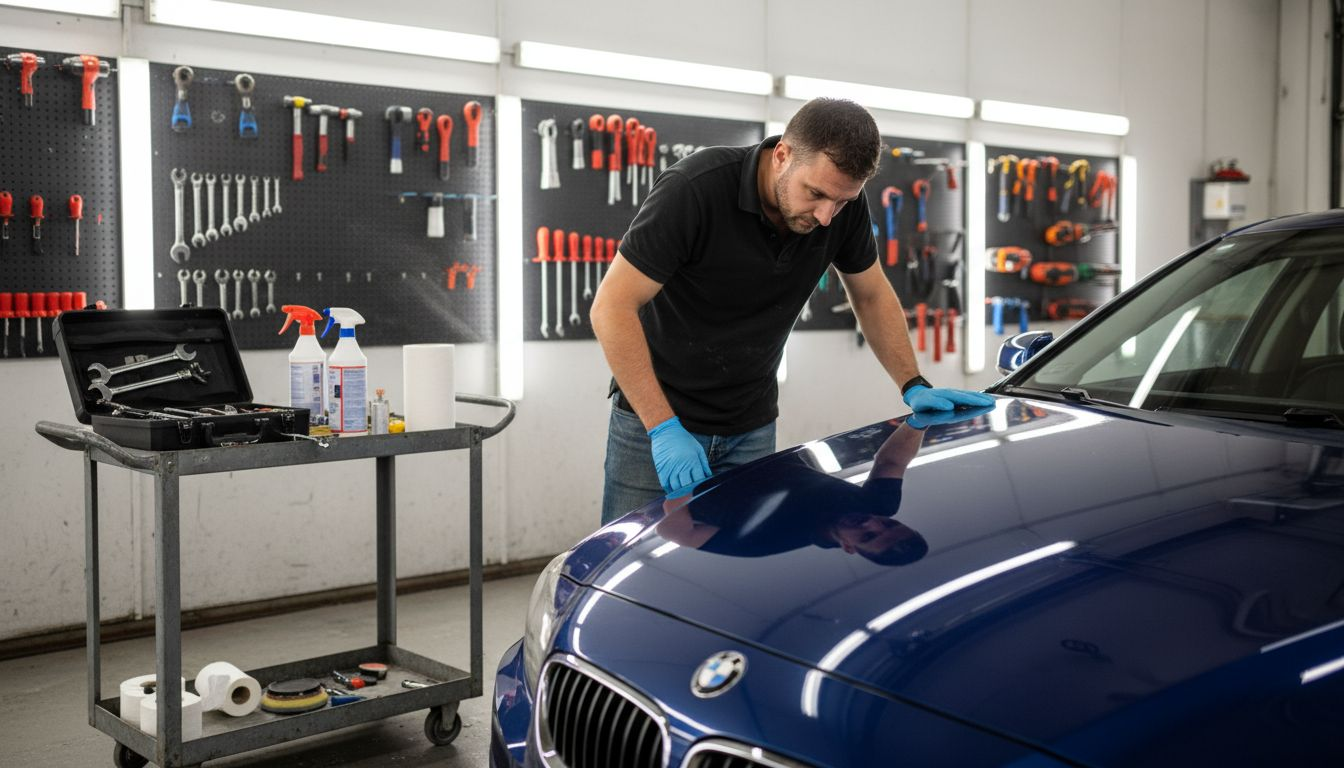
Most American luxury vehicles lose their glossy finish within a year, even when cared for with store-bought wax. Premium car owners and enthusiasts invest countless hours in preserving their vehicles’ shine and paint. Yet the choice between ceramic coatings and traditional wax dramatically impacts longevity and appearance. This article reveals how advanced surface protection from ceramic coatings not only enhances aesthetics but also delivers enduring value compared to classic waxing, helping you make smarter decisions for your prized vehicle.
Table of Contents
Key Takeaways
Point | Details |
Ceramic Coatings vs. Wax | Ceramic coatings bond chemically with paint for superior, long-lasting protection, while wax offers only temporary surface enhancement. |
Durability and Maintenance | Ceramic coatings can last 2-5 years with minimal maintenance, whereas wax requires frequent reapplication every few weeks. |
Cost-Effectiveness | Although ceramic coatings have higher initial costs, they provide better long-term value and paint preservation compared to wax. |
Choosing the Right Protection | Vehicle owners should assess their usage and environmental factors to select between ceramic coatings for maximum protection or wax for budget-friendly options. |
Defining Ceramic Coatings and Wax Protection
Vehicle protection technologies represent two fundamentally different approaches to preserving automotive surfaces. Ceramic coatings and wax offer distinct methods of shielding your vehicle’s exterior, with significant variations in durability, performance, and application techniques. Ceramic coatings are thin, hard protective layers designed to chemically bond with a vehicle’s paint, creating an advanced protective barrier that goes far beyond traditional waxing methods.
Traditional automotive wax provides a temporary surface enhancement, consisting of natural or synthetic hydrocarbons that create a thin, glossy protective layer. These wax applications typically last weeks to months and require frequent reapplication. In contrast, ceramic coatings represent a more advanced technological solution. By chemically bonding with the vehicle’s paint, these coatings create a semi-permanent shield that can withstand environmental challenges far more effectively than conventional wax treatments.
The key differences emerge in their fundamental protective mechanisms. Wax sits on top of the paint surface, offering minimal protection against UV rays, chemical contaminants, and minor scratches. Ceramic coatings, however, integrate directly with the paint substrate, providing a robust, microscopically thin layer that resists environmental degradation. This molecular-level bonding means ceramic coatings can protect against more substantial threats like oxidation, chemical staining, and UV-induced paint deterioration.
Understanding these technologies helps vehicle owners make informed decisions about surface protection. While wax remains a budget-friendly, short-term solution for maintaining aesthetic appeal, ceramic coatings represent a professional-grade approach to long-term automotive surface preservation.
Pro tip: Before applying any protective coating, always ensure your vehicle’s surface is thoroughly cleaned and professionally detailed to maximize the effectiveness of your chosen protection method.
Types, Composition, and Key Differences
Ceramic coatings and wax represent two distinct automotive surface protection technologies with dramatically different material compositions and performance characteristics. Ceramic coatings are sophisticated protective layers composed of advanced ceramic materials including oxides, carbides, nitrides, and borides that offer exceptional durability and protection for vehicle surfaces.
The composition of ceramic coatings varies significantly across different formulations. Oxide ceramics like alumina and zirconia provide robust mechanical strength, while composite ceramic materials enhance corrosion resistance and thermal stability. These coatings are typically applied through specialized techniques such as plasma spray or sol-gel processes, creating a microscopically thin yet incredibly resilient protective layer that chemically bonds with the vehicle’s paint substrate.
In contrast, automotive waxes consist primarily of natural organic compounds like carnauba wax or synthetic polymers designed to create a temporary glossy surface. These wax formulations are engineered to provide aesthetic enhancement and limited hydrophobic properties, but they fundamentally differ from ceramic coatings in their protective capabilities. Waxes merely create a surface-level barrier that wears away quickly, requiring frequent reapplication to maintain even minimal protection against environmental contaminants.
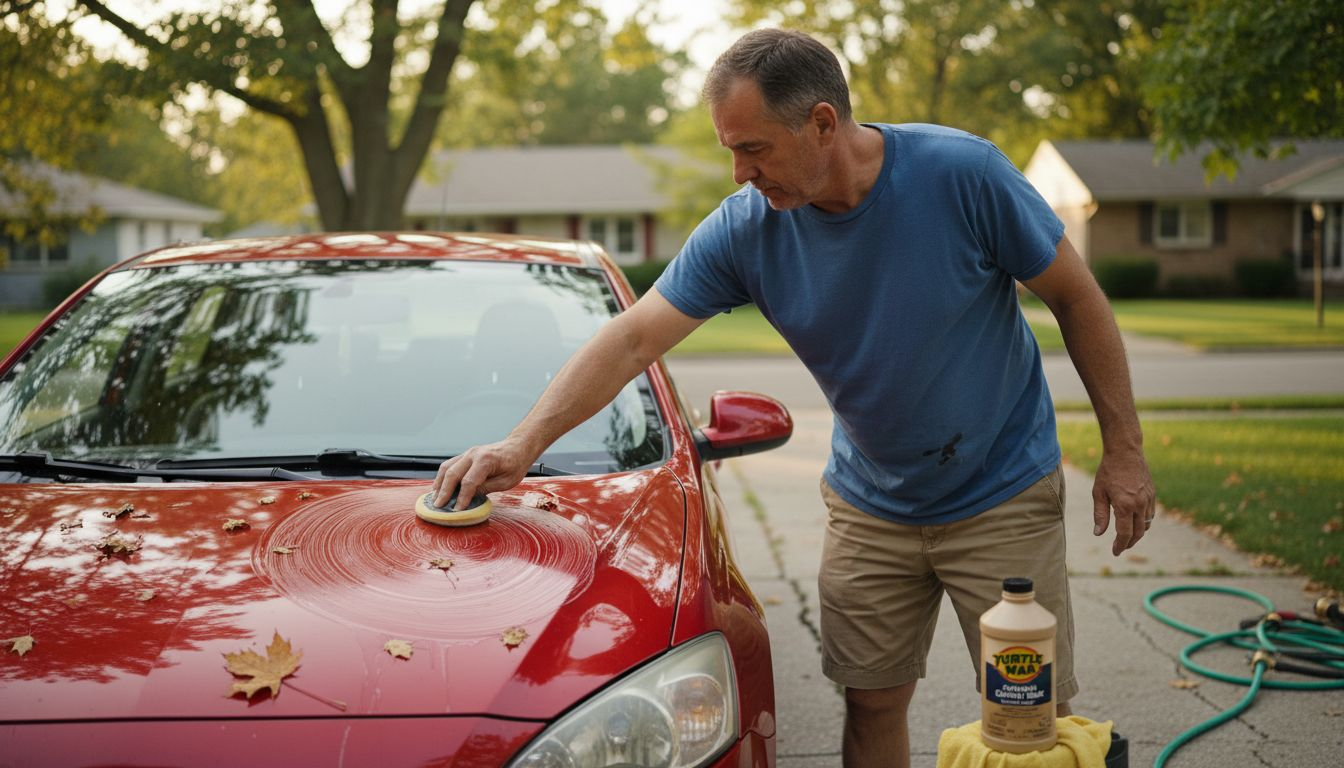
The key differentiating factors between ceramic coatings and wax extend beyond mere composition. Ceramic coatings offer superior protection against UV radiation, chemical staining, oxidation, and minor scratches, with durability that can last several years. Waxes, by comparison, provide a temporary aesthetic boost that typically lasts only weeks to months, making them a short-term solution for vehicle appearance maintenance.
Pro tip: Invest in professional surface preparation before applying any protective coating to ensure maximum adhesion and long-term performance.
How Application Methods Impact Longevity
Application techniques play a critical role in determining the durability and effectiveness of automotive surface protection technologies. Ceramic coatings applied through specialized thermal spray or liquid resin processes create dramatically different protective layers compared to traditional waxing methods, fundamentally transforming how vehicles resist environmental damage.
The precision of ceramic coating application involves meticulous surface preparation and advanced molecular bonding techniques. Professional installers carefully clean, decontaminate, and sometimes even polish the vehicle’s surface before applying the coating. This preparation ensures maximum adhesion and creates a seamless, microscopic protective layer that chemically integrates with the paint substrate. Unlike wax, which simply sits on top of the surface, ceramic coatings create a permanent molecular bond that can withstand significantly more environmental stress.
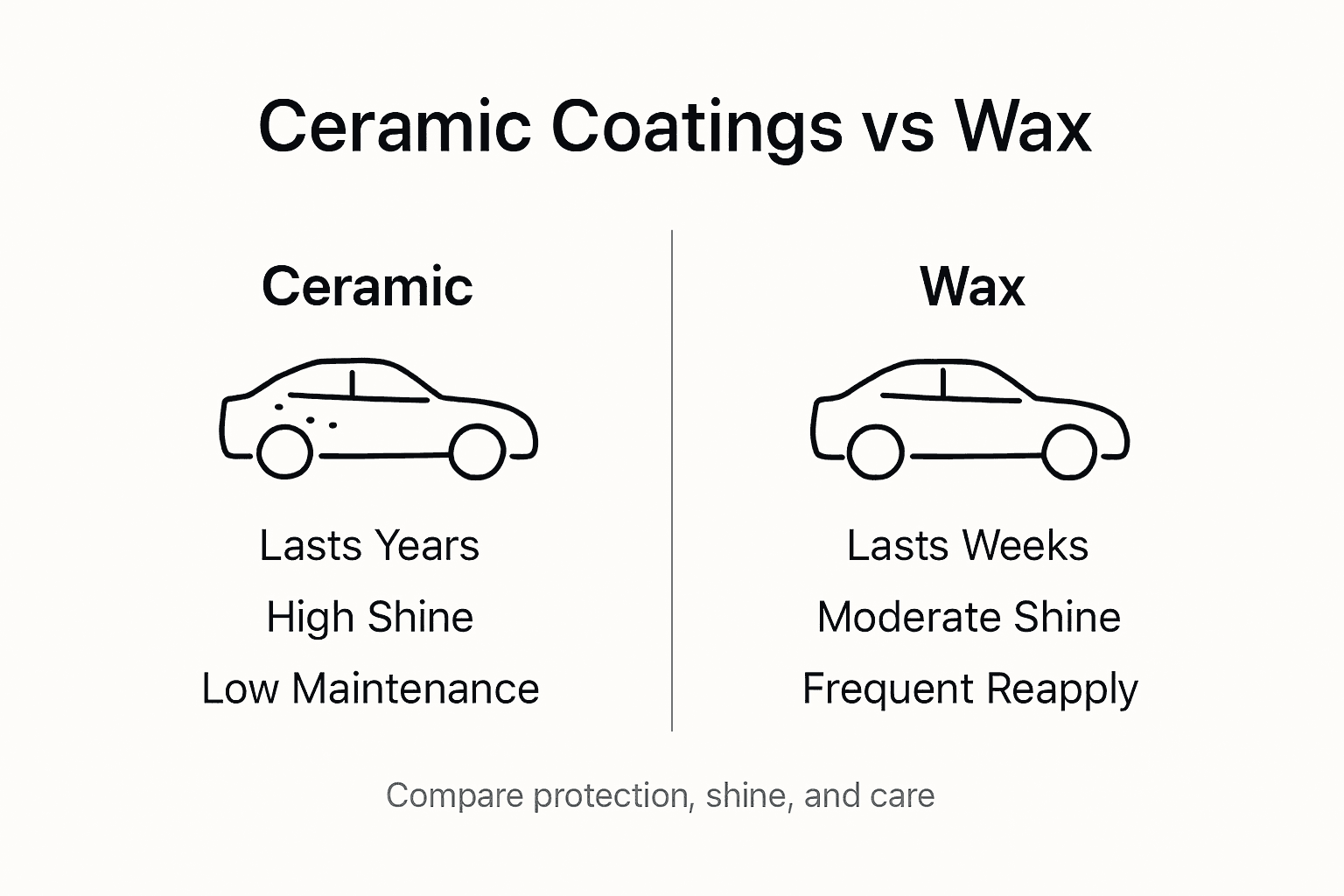
Wax application, in contrast, represents a much simpler and more temporary approach. Typically performed by hand using circular motions, wax is manually spread across the vehicle’s surface and then buffed to create a glossy finish. This method provides only a superficial layer of protection that quickly deteriorates when exposed to UV rays, water, and environmental contaminants. The lack of chemical bonding means wax protection is inherently short-lived, often requiring reapplication every few weeks to maintain even minimal protection.
The longevity differences between these two methods are stark. Ceramic coatings can protect a vehicle’s surface for several years, with some professional-grade applications lasting up to five years under optimal conditions. Wax, by comparison, offers protection measured in weeks, making it a temporary cosmetic solution rather than a long-term protective strategy for automotive surfaces.
Pro tip: Always have ceramic coatings applied by certified professionals who can ensure proper surface preparation and precise application technique to maximize protection.
Durability, Shine, and Maintenance Comparison
Automotive surface protection represents a critical investment for vehicle owners seeking to maintain their car’s aesthetic appeal and structural integrity. The fundamental differences between ceramic coatings and traditional wax extend far beyond initial appearance, encompassing long-term durability, maintenance requirements, and overall performance characteristics.
Ceramic coatings deliver an unprecedented level of shine and protection that dramatically outperforms traditional waxing methods. The molecular-level bonding creates a glass-like finish that not only enhances the vehicle’s visual depth and clarity but also provides a robust shield against environmental contaminants. Unlike wax, which creates a temporary glossy layer, ceramic coatings maintain their reflective properties for years, resisting oxidation, UV damage, and chemical staining with remarkable consistency.
Maintenance demands present another crucial distinction between these two protection technologies. Wax-protected vehicles require frequent reapplication, typically every 4-6 weeks, and are highly vulnerable to environmental degradation. Owners must consistently clean and recoat the surface to maintain even minimal protection. Ceramic coatings, conversely, demand minimal ongoing maintenance. A professionally applied ceramic coating can maintain its protective qualities for 2-5 years, requiring only periodic gentle washing and occasional professional inspection to preserve its effectiveness.
The economic and aesthetic implications of these differences are significant. While ceramic coatings represent a higher initial investment, they offer substantially lower long-term maintenance costs and superior protection. Vehicle enthusiasts seeking a comprehensive solution that balances aesthetic excellence with robust protection will find ceramic coatings provide unparalleled value compared to traditional waxing approaches.
Pro tip: Invest in professional ceramic coating installation and follow manufacturer-recommended maintenance protocols to maximize your vehicle’s protective layer and aesthetic potential.
Financial Costs and Value Over Time
Vehicle surface protection represents a nuanced financial decision that extends far beyond initial purchase price. Analyzing the long-term cost implications of ceramic coatings versus traditional wax reveals a compelling economic narrative that challenges traditional automotive maintenance assumptions.
Initial investment costs highlight a significant disparity between ceramic coatings and wax applications. Professional ceramic coating installation typically ranges from $500 to $2,500, depending on vehicle size and coating quality, compared to wax applications that might cost $50 to $200 per treatment. However, the true financial calculation emerges when considering long-term maintenance expenses. Wax requires repeated applications every 4-6 weeks, meaning an annual investment of $300-$1,200, while a single ceramic coating application provides protection for 2-5 years with minimal additional maintenance costs.
The economic value of ceramic coatings extends beyond direct monetary considerations. By creating a more robust protective barrier, these coatings help prevent paint degradation, oxidation, and environmental damage that could potentially lead to expensive repair or repainting processes. A vehicle with consistent ceramic coating protection maintains higher resale value, as the paint remains in pristine condition with minimal visible wear. Traditional wax offers only cosmetic enhancement, providing no meaningful long-term protection against structural paint deterioration.
Vehicle owners must evaluate protection strategies not just through immediate expenses, but through a comprehensive lifecycle cost perspective. Ceramic coatings represent a strategic investment that front-loads protection costs, delivering superior economic efficiency over time. The initial higher expense translates into reduced maintenance requirements, extended paint preservation, and ultimately, a more cost-effective approach to automotive surface care.
The following table compares the long-term financial and practical value of ceramic coatings versus wax protection methods:
Aspect | Ceramic Coating | Wax Protection |
Initial Cost | $500-$2,500 per vehicle | $50-$200 per application |
Lifespan | 2-5 years of protection | 4-6 weeks per application |
Annual Maintenance | Minimal, gentle washing needed | $300-$1,200 yearly reapplication |
Impact on Resale | Maintains higher vehicle value | Limited effect on paint value |
Paint Preservation | Prevents oxidation and fading | Superficial aesthetic only |
Pro tip: Calculate your potential long-term savings by comparing the cumulative cost of annual wax applications against a single professional ceramic coating installation.
Choosing the Best Solution for Your Vehicle
Selecting the ideal automotive surface protection strategy demands a nuanced understanding of your specific vehicle usage, environmental conditions, and personal maintenance preferences. Deciding between ceramic coatings and traditional wax involves carefully evaluating multiple factors that impact long-term vehicle appearance and protection.
Vehicle owners should consider their unique circumstances when making this decision. Enthusiasts who regularly drive in harsh environments, park outdoors, or prioritize maximum paint preservation will find ceramic coatings most advantageous. These coatings provide superior resistance to UV damage, chemical contaminants, and environmental degradation. Conversely, classic car collectors, weekend drivers, or those with limited budgets might find traditional wax more suitable, appreciating its lower initial cost and traditional aesthetic approach.
Practical considerations extend beyond simple protection metrics. Ceramic coatings demand professional installation and precise surface preparation, making them a more comprehensive investment. The application process requires specialized skills, professional-grade equipment, and meticulous attention to detail. Wax applications, by contrast, remain more accessible, allowing vehicle owners to apply the product themselves with minimal technical expertise. This accessibility comes at the cost of reduced long-term protection and more frequent maintenance requirements.
Ultimately, the choice between ceramic coatings and wax depends on balancing personal priorities. Consider your vehicle’s usage, storage conditions, maintenance commitment, and aesthetic preferences. High-performance vehicles, daily drivers in challenging climates, or collectors seeking maximum paint preservation will benefit most from ceramic coatings. Those with limited budgets, occasional drivers, or vintage car enthusiasts might find traditional wax more aligned with their needs.
Below is a summary of which protection method suits different vehicle owner profiles:
Owner Type | Best Protection Choice | Reasoning |
Daily Driver, harsh climate | Ceramic Coating | Superior resistance, longevity |
Classic car enthusiast | Wax Protection | Budget-friendly, easy to apply |
Limited-use vehicle | Wax Protection | Occasional aesthetic boost |
High-performance car owner | Ceramic Coating | Maximum paint preservation |
Pro tip: Consult a professional detailing expert who can assess your specific vehicle conditions and recommend the most appropriate surface protection strategy.
Choose Lasting Protection for Your Vehicle with Optyx Auto Studio
Protecting your vehicle from daily wear, environmental damage, and fading paint requires more than just a quick wax application. As detailed in our latest insights on ceramic coatings versus wax, understanding the key differences in durability, chemical bonding, and maintenance is essential for vehicle owners who want the best long-term results. If you are looking for professional-grade protection that delivers superior shine, resistance to UV damage, and lasting value, Optyx Auto Studio offers expert ceramic coating services tailored to your needs.
Experience the difference of certified installers who use precise application techniques and top-tier products to ensure your vehicle’s paint receives the durable, protective layer it deserves. Whether you want to enhance your vehicle’s appearance or extend its life with minimal upkeep, Optyx Auto Studio combines over 35 years of expertise in automotive restyling and protection. Learn more about how our ceramic coatings can transform your car’s finish and why they are the smart alternative to traditional wax protection. Ready to give your vehicle premium lasting protection now? Visit Optyx Auto Studio and schedule your consultation today.
Frequently Asked Questions
What is the main difference between ceramic coatings and wax?
Ceramic coatings chemically bond with the vehicle’s paint, providing a durable, semi-permanent protection that can last 2-5 years. In contrast, wax offers only a temporary surface layer that lasts a few weeks to months.
How long does each protection method last?
Ceramic coatings can provide lasting protection for 2-5 years, while traditional wax typically requires reapplication every 4-6 weeks.
How do the application methods differ for ceramic coatings and wax?
Ceramic coatings require professional installation and meticulous surface preparation to create a molecular bond with the paint, whereas wax can be applied easily by hand without specialized skills.
Do ceramic coatings require more maintenance than wax?
Ceramic coatings have lower maintenance needs compared to wax. Once applied, they only require periodic washing, while waxed surfaces need frequent reapplication to maintain protection.
Recommended


Comments