
Headlight Tinting: Why Aesthetics Meet Protection

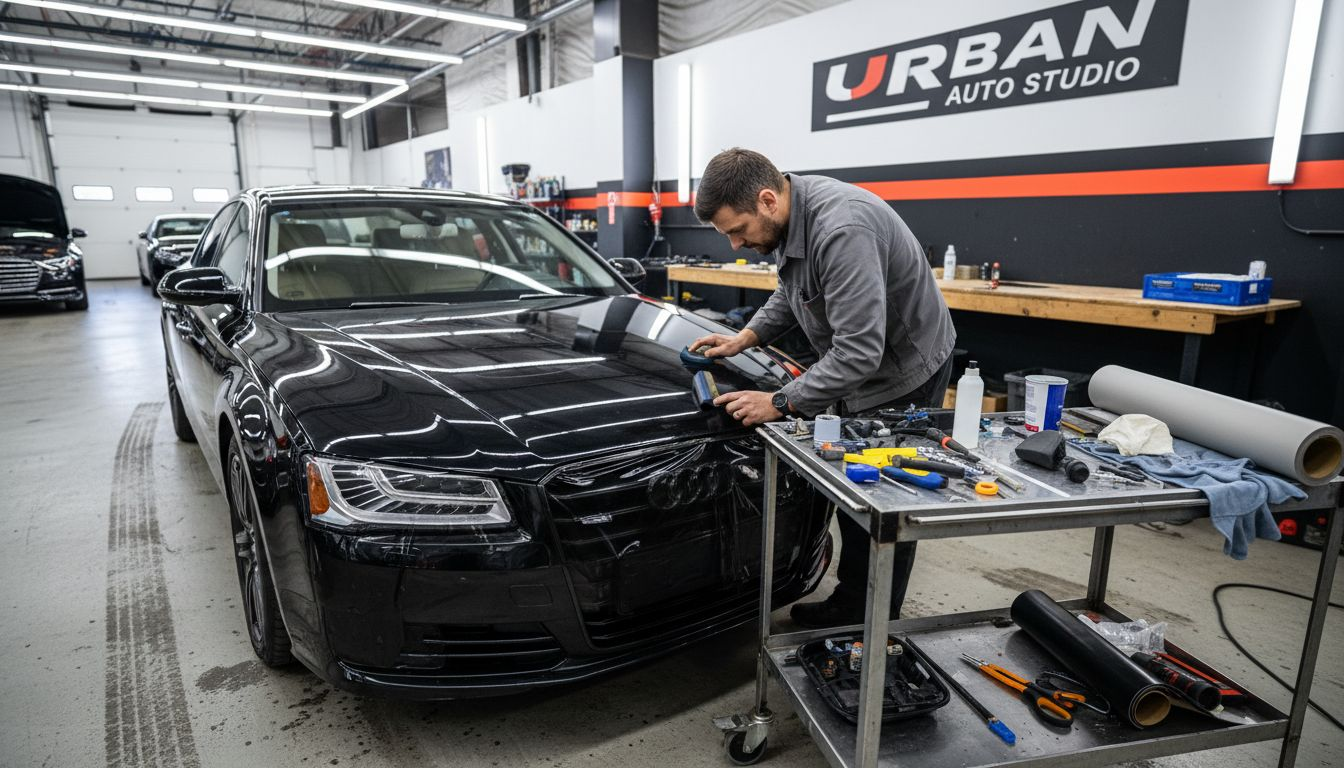
Finding the perfect balance between aggressive aesthetics and lasting protection is a challenge every Spokane car enthusiast faces. Headlight tinting offers more than just visual appeal—it provides real functional benefits that safeguard your investment. With a variety of film types and finishes, professional-grade headlight tinting promises to enhance your vehicle’s distinct look while delivering UV protection and glare reduction for safer driving. Discover how expert application transforms both style and durability on Spokane roads.
Table of Contents
Key Takeaways
Point | Details |
Headlight Tinting Offers Aesthetic and Protection Benefits | Tinting enhances your vehicle’s appearance while protecting headlights from UV damage and minor impacts. |
Professional Installation Is Essential | Quality installation ensures longevity and compliance with legal standards, preventing issues like peeling and reduced light output. |
Consider Film Type and Durability | Different tint films, such as carbon and ceramic, provide various aesthetics and durability; choose the one that suits your needs. |
Legal and Safety Compliance Is Crucial | Ensure your headlight tinting adheres to state regulations to avoid potential fines and insurance complications. |
What Is Headlight Tinting And Its Purpose
Headlight tinting involves applying a specialized film or coating to your vehicle’s headlights to modify their appearance while maintaining functionality. Think of it as sunglasses for your car’s front end—it darkens the lens while letting light through.
The primary purpose combines two equally important goals: aesthetics and protection. You get the aggressive, custom look that transforms your vehicle’s front end, plus real functional benefits that extend beyond appearance.
Understanding the Basics
A headlamp is the lamp attached to the front of a vehicle to illuminate the road ahead for visibility. When tinting enters the picture, you’re adding a layer of protection and style to that crucial component.
Headlight tinting works by:
Reducing glare from oncoming traffic and reflections
Blocking harmful UV rays that degrade headlight clarity over time
Creating a cohesive, customized appearance that matches your vehicle’s overall aesthetic
Protecting the headlight housing from minor impacts and road debris
The Aesthetic Appeal
For Spokane car enthusiasts and luxury vehicle owners, headlight tinting delivers an immediate visual transformation. It gives your vehicle a more aggressive stance, whether you drive a sport sedan, truck, or high-end SUV.
The darkened headlights create depth and definition at the front of your vehicle. This is especially impactful on newer luxury models where clean, minimalist headlight designs benefit from subtle customization.
Professional-grade headlight tinting maintains light output while enhancing your vehicle’s appearance—it’s a balance, not a compromise.
Protection That Actually Matters
Beyond the polish and presence, tinting protects your headlights from UV damage and oxidation. Over time, untreated headlights yellow and cloud, reducing light penetration and making your vehicle look older than it is.
Headlight tinting acts as a shield:
UV protection prevents clouding and discoloration from sun exposure
Impact resistance guards against rock chips and minor abrasions
Oxidation prevention extends the lifespan of your headlight assembly
Moisture reduction helps prevent internal fogging
Luxury vehicle owners especially understand this principle—preventive maintenance on high-value assets pays dividends. Your headlights represent a visible investment in your vehicle’s appearance and safety.
Quality Matters in Application
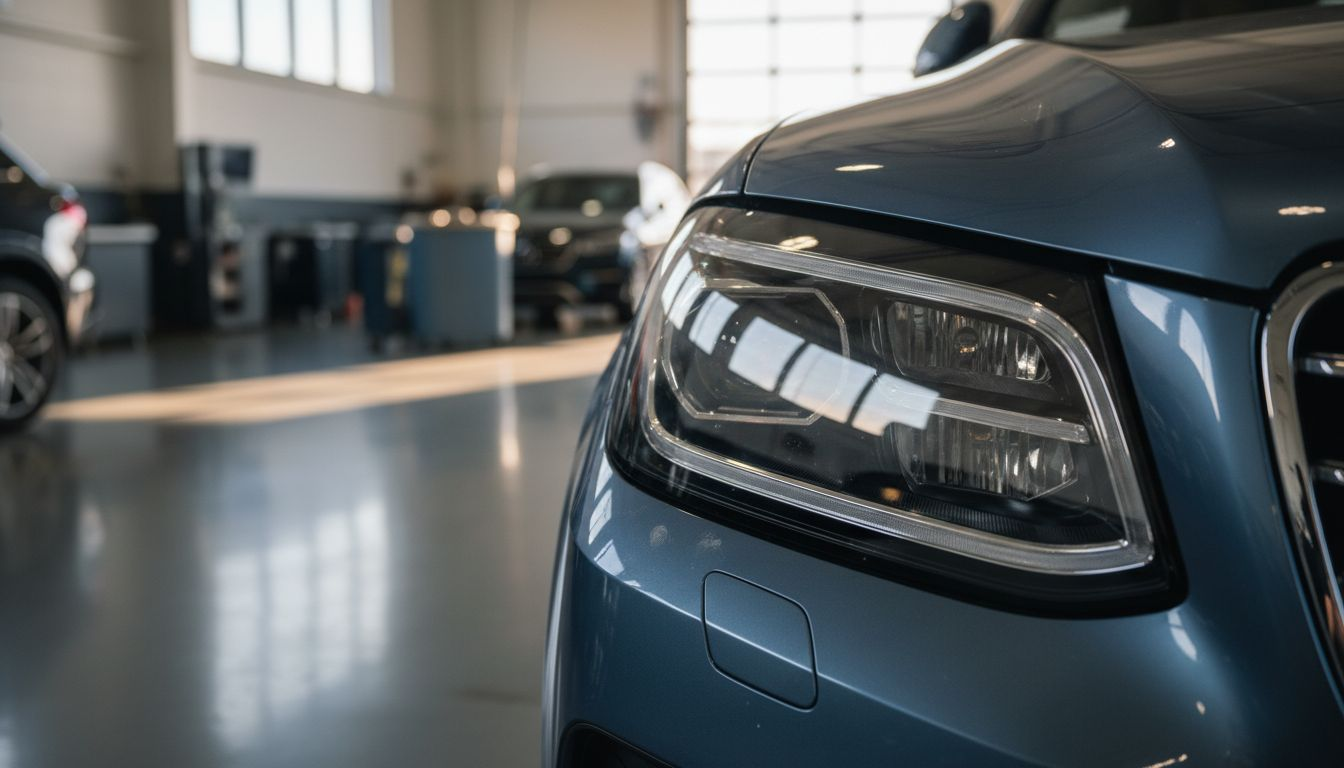
Not all headlight tinting is created equal. Cheap applications use low-grade films that peel, bubble, or obstruct light output dangerously. Professional installation using premium materials ensures your tinting looks flawless and functions properly.
Optyx Auto Studio applies precision techniques that minimize visible film edges and deliver seamless results. Certified installers understand how to work with different headlight shapes and materials without compromising safety or aesthetics.
Here’s a quick reference to professional vs. amateur headlight tint installations:
Installation Quality | Longevity | Light Output | Visual Result |
Professional | 3-10 years with warranty | Maintained, tested for compliance | Seamless, minimal visible edges |
Amateur | 6-18 months, often no warranty | Frequently reduced; safety may be compromised | Bubbles, peeling, visible film seams |
Choose professional service for reliable results and safer driving.
Pro tip: Request to see before-and-after photos of completed headlight tinting installations before committing—quality installers proudly showcase their work, and you’ll immediately spot the difference between professional and amateur applications.
Types Of Headlight Tint Films And Finishes
Not all headlight tints perform the same way. The film you choose affects durability, appearance, and how your headlights function on the road. Understanding your options helps you make an informed decision that matches your vehicle and driving needs.
Film Categories by Light Transmittance
Headlight tint films are classified by how much light they allow through, measured as light transmittance percentages. The darker the tint, the less light passes through, which affects visibility and safety.
Most quality headlight tints fall into these ranges:
Very light (minimal darkening for subtle customization)
Light-to-medium (noticeable darkening while maintaining visibility)
Medium-to-dark (aggressive look with careful light consideration)
Very dark (maximum aesthetic impact, requires careful installation)
The right choice depends on your climate, nighttime driving frequency, and aesthetic goals. Spokane winters and evening visibility matter—don’t sacrifice safety for appearance.
Dyed Films: Budget-Friendly Option
Dyed tint uses a layer of absorptive dye to darken headlights. It’s the most affordable option and works quickly to darken lenses. However, dyed films fade over time when exposed to UV rays and heat.
Dyed films typically last 1-3 years before noticeable color degradation. They also offer minimal heat reduction compared to other types. This option suits owners looking for temporary customization or those on a strict budget.
Metallic Films: Heat Blocking With Shine
Metallic tint includes reflective particles that block heat and UV rays effectively. The reflective finish creates a distinctive, shiny appearance that catches light differently than dyed films.
Benefits of metallic films:
Excellent heat rejection and UV protection
More durable than dyed films (3-5 year lifespan)
Reflective shine adds visual depth
Better resistance to fading
The trade-off? Metallic finishes can interfere with some electronic sensors in newer vehicles. This matters less for headlight applications but worth considering on luxury models.
Carbon Films: The Professional Standard
Carbon tint suspends carbon particles in the film for a matte, refined finish without the reflective shine. Carbon films offer superior durability and UV protection compared to dyed or metallic options.
Carbon benefits include:
Matte appearance that looks factory-custom
Excellent UV and heat resistance
5-10 year lifespan with proper care
No signal interference with modern electronics
Minimal fading over time
Carbon films cost more than dyed or metallic, but they deliver the best balance of longevity and aesthetics for discerning owners.
Ceramic Films: Premium Protection
Ceramic tint represents the top tier of headlight tinting technology. These films use ceramic nano-particles that provide maximum UV rejection and heat reduction without darkening visibility.
Ceramic films deliver:
Superior UV protection preventing headlight yellowing
Excellent durability (10+ years expected)
Crystal-clear optical clarity
No electronics interference
Reduces glare effectively
Ceramic is the preferred choice for luxury vehicle owners who want long-term protection without compromise. Yes, it costs more, but the extended lifespan and performance justify the investment.
The right tint film balances your aesthetic vision with practical durability—don’t sacrifice 3-5 years of appearance for a year of fading.
Comparing Your Options
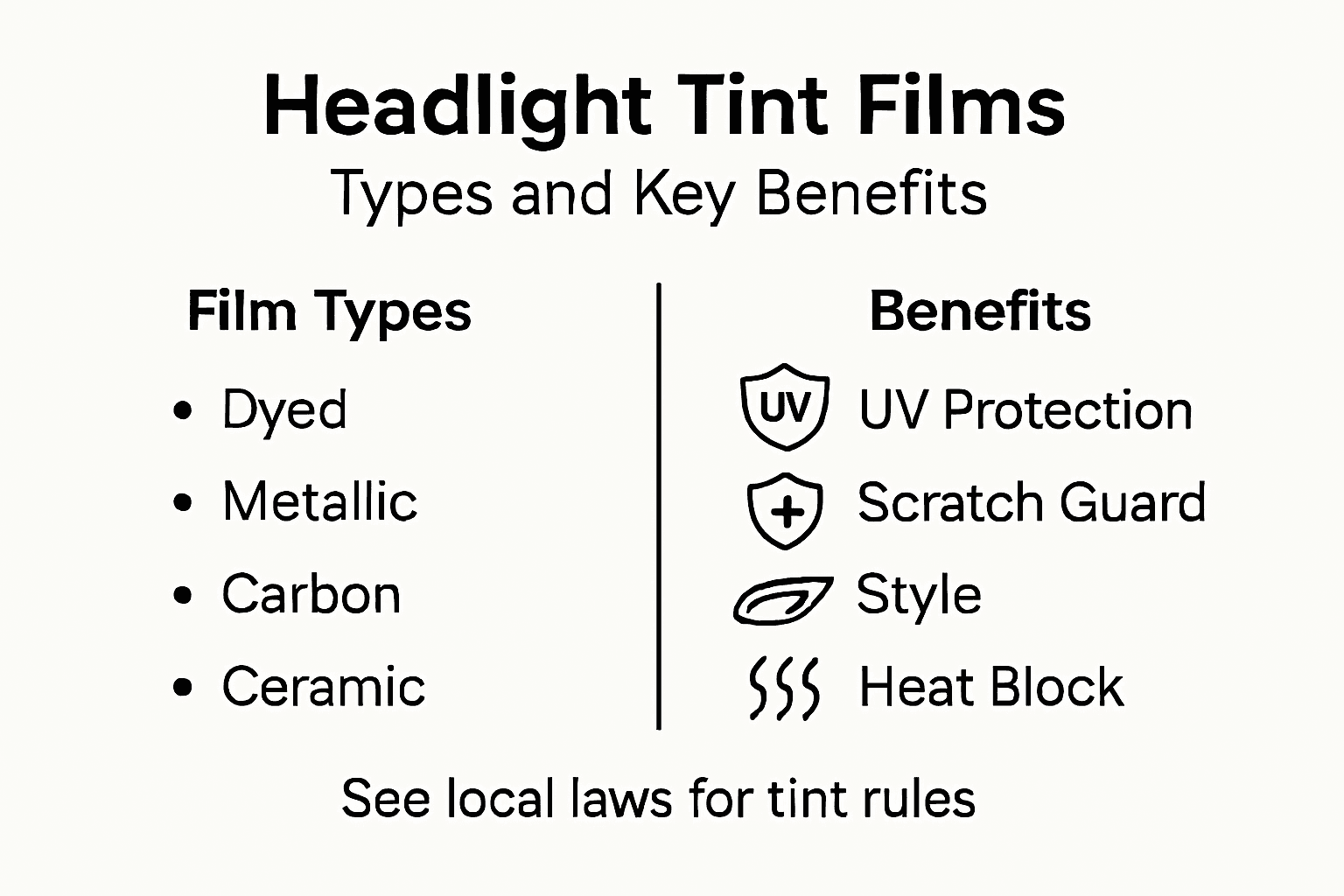
Film Type | Lifespan | UV Protection | Heat Rejection | Appearance | Cost |
Dyed | 1-3 years | Basic | Minimal | Matte | Low |
Metallic | 3-5 years | Good | Good | Reflective | Medium |
Carbon | 5-10 years | Excellent | Good | Matte | Medium-High |
Ceramic | 10+ years | Superior | Superior | Crystal clear | High |
Making Your Choice
For Spokane luxury vehicle owners, carbon and ceramic films make the most sense. They withstand our UV exposure and temperature fluctuations while maintaining their appearance year after year.
Consider your driving patterns. Frequent nighttime driving requires films that maintain maximum light output. Carbon and ceramic excels here because they don’t compromise visibility like darker dyed alternatives.
Pro tip: Request samples of different film finishes installed on a test headlight or demo vehicle—seeing how each type looks under actual daylight, nighttime, and artificial lighting helps you visualize the final result before committing.
Professional Application Techniques For Tinted Lenses
Professional headlight tinting isn’t something you should DIY. The difference between a flawless installation and a botched one comes down to technique, equipment, and experience. Certified installers use specialized methods that ensure durability, clarity, and safety.
Surface Preparation: The Foundation
Everything starts with a clean surface. Installers begin by thoroughly washing and degreasing the headlight lens to remove dirt, oils, and contaminants that could prevent film adhesion.
The preparation process includes:
Deep cleaning with specialized automotive detergents
Degreasing with alcohol-based solutions for complete surface clarity
Inspection under bright lighting for any defects or damage
Light sanding of the lens surface when necessary for optimal grip
Skipping or rushing this step leads to bubbles, peeling, and premature failure. Professional installers spend significant time here because they know the foundation determines everything that follows.
Precise Film Application
Precision tinted lenses require layering thin films with adhesives under controlled conditions to prevent bubbles and defects. Professional installers use heat guns, squeegees, and specialized techniques to apply film smoothly without wrinkles or air pockets.
The application sequence matters:
Apply slip solution to the headlight lens for workability
Position the film carefully, starting from the center
Use a squeegee to push out air and excess solution
Work in sections, maintaining consistent pressure
Trim excess film with precision cutting tools
Apply heat to cure adhesive bonds
This process requires steady hands and years of experience. One wrong move creates visible defects that ruin the appearance.
Climate Control During Installation
Temperature and humidity matter more than most people realize. Professional shops maintain controlled environments because extreme conditions affect film adhesion and curing times.
Optimal installation conditions:
Temperature between 65-75 degrees Fahrenheit
Humidity levels between 40-60 percent
No direct sunlight on the work area
Clean air without dust or contaminants
Spokane’s temperature fluctuations throughout the year make climate-controlled installation spaces essential. Hot summers and cold winters both create challenges that professionals manage through environmental controls.
Edge Sealing and Finishing
After film application, edges require special attention. Certified installers seal edges with clear protective coatings to prevent peeling and moisture intrusion.
Final finishing steps include:
Careful inspection of all edges for lifting or gaps
Application of edge sealant under film edges
Removal of excess solution and residue
Final heat curing to lock everything in place
Professional application takes 2-4 hours per headlight because quality cannot be rushed—each step builds on the previous one.
Why Visible Film Edges Matter
Amateurish installations often show visible film edges that catch light and look unprofessional. Optyx Auto Studio’s precision techniques minimize visible edges through expert trimming and careful application that creates seamless transitions.
This attention to detail separates premium installations from bargain work. You’ll notice the difference immediately when comparing professional and amateur applications.
Quality Control Testing
After installation, professional technicians test headlight function to ensure tinting didn’t compromise light output or beam pattern. This verification step protects you legally and practically.
Testing includes:
Night-time beam pattern verification
Light output measurement comparison
Water resistance and durability checks
Final visual inspection under multiple lighting conditions
You should receive documentation confirming your headlights meet safety standards after professional installation.
Pro tip: Ask your installer to photograph your headlights under nighttime conditions before and after tinting—this documentation proves light output remained adequate and gives you peace of mind about safety compliance.
Legal And Safety Rules For Headlight Tinting
Headlight tinting sits in a gray zone between what looks cool and what the law allows. Before darkening your headlights, understand the rules in your state and the safety implications. Breaking these rules can result in failed inspections, fines, or even liability if your tinted headlights contribute to an accident.
Federal Standards vs. State Rules
Federal regulations limit the permissible darkness of tint film to ensure driver visibility and oncoming traffic safety. However, states have authority to set their own specific requirements, which means rules vary significantly across the country.
Washington State, where Spokane is located, has specific guidelines you must follow:
Headlight tint must maintain minimum visible light transmission
Reflective or colored films are prohibited
Aftermarket headlight modifications must not impair visibility
Vehicle safety inspections include headlight function testing
Ignoring state rules puts your vehicle at risk during inspections and increases insurance liability if you’re in an accident.
Light Transmittance Requirements
Light transmittance measures how much light passes through your tinted film, expressed as a percentage. Washington State requires headlights to transmit enough light for safe nighttime driving.
Key transmittance rules:
Most states require 70-90% light transmittance for headlights
Darker tints below these thresholds create safety hazards
Professional installers measure transmittance to verify compliance
Poor visibility puts you and others on the road at risk
This is why professional installation matters. Certified technicians use light meters to confirm your tinting meets legal requirements before finishing the job.
Safety Concerns With Non-Compliant Tinting
When headlights don’t transmit adequate light, everyone suffers. Reduced visibility affects your ability to see the road and other drivers’ ability to see you approaching.
Real-world safety risks include:
Reduced visibility during nighttime driving
Difficulty spotting pedestrians and obstacles
Oncoming drivers missing your vehicle in low-light conditions
Increased accident risk, especially in Spokane’s winter darkness
The aggressive look of dark tinting isn’t worth compromising safety. Professional-grade tinting achieves aesthetics without sacrificing visibility.
Insurance and Liability Issues
If you’re involved in an accident and your vehicle has non-compliant headlight tinting, your insurance company may deny coverage or reduce payouts. They may argue the illegal modification contributed to the accident.
Liability complications arise when:
Reduced headlight visibility causes accidents
Law enforcement citations prove non-compliance
Insurance investigators discover illegal modifications
Other parties claim your tinting caused visibility issues
Non-compliant headlight tinting isn’t just illegal—it’s a liability risk that can cost thousands in denied claims or lawsuits.
Vehicle Inspection Requirements
Washington State includes headlight function testing in vehicle safety inspections. Failed inspections mean your vehicle won’t pass registration requirements, and you’ll face penalties.
Inspection checkpoints include:
Light output measurement under specified conditions
Beam pattern verification for proper alignment
Visual inspection for cracks or damage
Confirmation that modifications don’t impair function
Professional installations come with documentation proving compliance, which makes inspection passage straightforward.
Working With Compliant Professionals
Optyx Auto Studio understands Washington State requirements and applies headlight tinting within legal limits. Certified installers know exactly which film types and darkness levels pass inspection.
When choosing an installer, verify they:
Know your state’s specific headlight tinting regulations
Use light measurement tools to verify compliance
Provide documentation of transmittance percentages
Offer warranties that assume legal compliance
Understand local vehicle inspection standards
Choosing a qualified installer protects you legally and practically.
Pro tip: Before scheduling headlight tinting, request your installer’s documentation showing that their work meets Washington State light transmittance requirements—this proof protects both of you and ensures your vehicle passes inspection.
Common Risks And Alternatives To Headlight Tint
Headlight tinting sounds appealing until you consider the real risks. Poor visibility, legal troubles, and costly repairs can outweigh the aesthetic benefits. Fortunately, safer alternatives exist that protect your headlights without compromising safety.
Visibility Reduction: The Primary Risk
Darker tinting reduces light output, which directly impacts nighttime visibility. Even small reductions in light transmission create measurable safety hazards during evening and winter driving—especially critical in Spokane’s climate.
Visibility risks include:
Reduced ability to spot pedestrians and obstacles
Difficulty seeing road markings and lane boundaries
Oncoming drivers struggling to see your vehicle
Increased accident risk in low-light conditions
Winter weather compounds visibility issues further
The aggressive aesthetic simply isn’t worth risking lives. Professional installations maintain adequate light output, but cheaper alternatives often don’t.
Installation Failures And Defects
Poor-quality installations create immediate and long-term problems. Bubbles, peeling, and clouding develop quickly, destroying the appearance you paid for.
Common installation failures:
Air bubbles trapped under the film
Peeling edges that catch debris and moisture
Uneven application creating visible lines
Premature fading and discoloration
Moisture intrusion causing internal fogging
Cheap installations fail within months, forcing you to pay again for removal and replacement. Professional work comes with warranties because quality doesn’t fail.
Legal And Insurance Complications
Non-compliant tinting creates legal liability that extends beyond fines. Insurance companies routinely deny claims when illegal modifications contributed to accidents.
Legal risks involve:
Failed vehicle inspections blocking registration
Traffic citations and fines
Insurance claim denials
Liability exposure if accidents occur
Potential negligence charges if others are injured
Non-compliant headlight tinting transforms a cosmetic choice into a legal and financial liability.
Premature Headlight Degradation
Some tinting methods trap moisture against the headlight lens, accelerating yellowing and oxidation. UV exposure degrades both the tint and the underlying lens material, requiring expensive replacements.
Degradation factors:
Moisture creates internal clouding
UV exposure breaks down lens materials
Temperature cycles stress film adhesion
Trapped debris scratches lens surfaces
UV-Blocking Clear Film: The Smart Alternative
UV-blocking clear films provide significant protection against ultraviolet radiation without compromising visibility. These films block 99% of UV rays while maintaining crystal-clear optical clarity.
Clear film benefits:
Blocks 99% of harmful UV rays
Prevents headlight yellowing and oxidation
Maintains 100% light transmission
Improves visibility rather than reducing it
Passes all vehicle safety inspections
Protects interior materials from fading
This solution delivers protection without aesthetics, but it offers real functional value that lasts years.
Here’s how headlight tinting compares to clear film and restoration alternatives:
Method | Appearance Impact | Visibility Retained | Protection Provided |
Headlight Tinting | Aggressive, custom look | Good if compliant; reduced if too dark | Strong UV, impact, and oxidation shield |
Clear UV Film | No cosmetic changes | Full visibility | Superior UV and oxidation barrier |
Restoration | Restores clarity; no tint | Maximum brightness | Removes oxidation, minor UV defense |
This summary highlights functional differences between available options.
Headlight Restoration And Protection
Instead of tinting, consider professional headlight restoration. This process removes oxidation, yellowing, and cloudiness from existing lenses, restoring clarity and light output.
Restoration advantages:
Removes existing damage and oxidation
Restores original brightness and clarity
Can be paired with UV-protective coatings
Less invasive than tinting
Improves nighttime visibility
Extends headlight lifespan significantly
Optyx Auto Studio offers professional headlight restoration that addresses underlying degradation while maintaining safety and legality.
Combining Options For Maximum Benefit
The ideal approach combines restoration with clear UV protection. First, restore yellowed or damaged lenses to factory clarity. Then apply UV-blocking clear film to prevent future degradation.
This two-step strategy:
Restores current headlight condition
Prevents future oxidation and yellowing
Maintains maximum light output
Ensures legal compliance
Delivers lasting protection
You get functional improvement without the risks of dark tinting.
Pro tip: If you love the appearance of tinted headlights but want safety and legality, start with professional restoration to restore brightness, then apply a light smoke tint in the 80+ percent transmittance range—this delivers subtle darkening while maintaining safe light output and passing inspections.
Enhance Your Vehicle’s Look While Protecting Its Vital Components
Headlight tinting offers a unique blend of aesthetic transformation and functional protection, but the key challenge is achieving that perfect balance without compromising safety or legal compliance. Many vehicle owners struggle with concerns like dark tints reducing visibility, improper installations causing bubbles and peeling, or selecting films that fade and degrade quickly under UV exposure. At Optyx Auto Studio, we understand these pain points and specialize in delivering premium headlight tinting services that preserve light output while enhancing your vehicle’s front-end appeal.
Experience the difference of expert craftsmanship with certified installers using top-tier films like carbon or ceramic that provide long-lasting UV protection, moisture resistance, and minimal visible film edges for a clean, factory-custom look. Coupled with our comprehensive automotive solutions—including ceramic coatings and paint protection film—you can trust Optyx Auto Studio to protect and upgrade your investment with precision and care.
Ready to elevate your vehicle’s style and safeguard its headlights from degradation? Discover how our professional-grade headlight tinting services deliver stunning results without sacrificing safety or compliance. Visit Optyx Auto Studio, see our expertise in action, and book your custom upgrade today.
Transform your vehicle with confidence and protection by scheduling a consultation at Optyx Auto Studio. Harness the benefits of expert headlight tinting combined with our full spectrum of premium automotive restyling services. Don’t wait—shield your headlights while achieving the sleek appearance you want now.
Frequently Asked Questions
What is headlight tinting and what are its purposes?
Headlight tinting is the application of a film or coating on your headlights to enhance their appearance while providing protection. Its purposes include reducing glare, blocking UV rays, and protecting against minor impacts, all while creating a custom look for your vehicle.
How does headlight tinting protect my headlights?
Headlight tinting protects against UV damage, oxidation, and minor abrasions. It prevents clouding and yellowing over time, extending the lifespan of your headlight assembly while maintaining clear visibility on the road.
What types of headlight tint films are available and how do they compare?
There are several types of headlight tint films, including dyed, metallic, carbon, and ceramic films. Dyed films are affordable but less durable. Metallic films provide heat blocking but may interfere with electronic sensors. Carbon films offer a matte finish and excellent durability, while ceramic films deliver the best UV protection and longevity but come at a higher cost.
Can headlight tinting affect my vehicle’s visibility and safety?
Yes, if not done correctly, headlight tinting can reduce light output, impacting visibility at night. It’s important to choose a compliant tint that maintains adequate light transmittance to ensure safety while driving.
Recommended


Comments