
Headlight Tinting Examples 2026: 70% Legal Light & Style

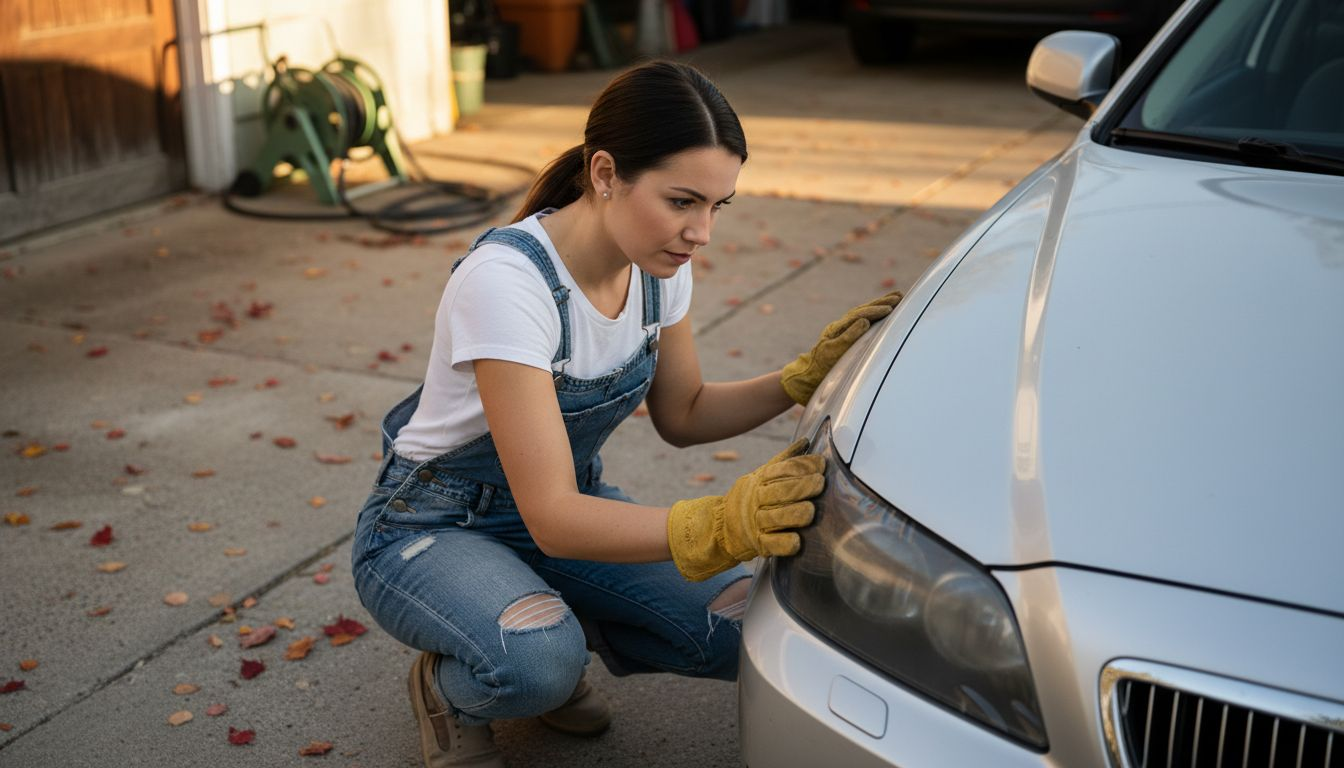
Choosing headlight tint for your car in Washington or Idaho means balancing stunning aesthetics with strict legal requirements. Both states enforce minimum 70% light transmission laws to preserve road safety while allowing customization. This guide walks you through real-world tint examples, professional tips, and compliance strategies so you can enhance your vehicle’s look confidently and legally.
Table of Contents
Key Takeaways
Point | Details |
Popular Tint Types | Vinyl, ceramic, dyed films, and spray-on options each offer unique aesthetics and durability. |
Protection Benefits | Tinting delivers UV defense, scratch resistance, and style enhancement for headlights. |
Legal Transmission | Washington and Idaho require at least 70% light transmission for compliant tints. |
Professional Installation | Certified installers ensure compliance, flawless appearance, and long-term durability. |
Selection Factors | Consider durability, aesthetics, cost, and legality when choosing your tint. |
How to Choose the Right Headlight Tint: Key Selection Criteria
Picking the perfect headlight tint starts with understanding what matters most to you and your vehicle. You need to weigh legal compliance, longevity, visual appeal, and installation quality before committing to any option.
Legal restrictions limit headlight tint darkness and colors across U.S. states, with Washington and Idaho requiring specific light transmission standards. Both states mandate at least 70% light transmission, meaning your tint cannot block more than 30% of the light. This rule exists to maintain nighttime visibility and road safety. Violating this standard leads to fines, failed inspections, and potential liability in accidents.
Durability varies widely among tint types. Ceramic films can last up to 10 years without fading or yellowing, while dyed films typically survive only 2 to 3 years under UV exposure. Vinyl films fall somewhere in between, offering moderate durability depending on quality. Spray-on tints provide a permanent bond but cannot be easily reversed if you change your mind. Think about how long you plan to keep your current vehicle before deciding.
Aesthetic factors include color options like smoke, amber, blue, and even chameleon finishes. Smoke tints deliver a sleek, understated look that complements most vehicles. Amber tints add warmth and vintage appeal. Blue and chameleon tints create bold statements but often violate state color restrictions. Finish subtleties matter too. Glossy finishes reflect more light, while matte finishes absorb it for a softer appearance.
Installation quality directly affects how long your tint lasts and whether it stays legal. Bubbles, peeling edges, and uneven coverage signal poor application. Professional installers use specialized tools and techniques to avoid these issues. When choosing window tint for premium vehicles, certified expertise ensures your investment pays off.
Cost considerations depend on film type and installer expertise. Dyed films start around $50 per headlight, vinyl typically ranges from $75 to $150, and ceramic options can exceed $200 per light. Professional installation adds labor charges but prevents costly mistakes. Budget for quality if you want results that last years, not months.
Pro Tip: Always ask installers for samples of their previous headlight tint work. Photos alone can be misleading. Seeing and touching completed projects reveals the true quality of their craftsmanship.
Examples of Headlight Tinting Types
Understanding the main tint types available helps you match your goals with the right product. Each option brings distinct advantages and trade-offs worth exploring.
Vinyl film is the most common headlight tinting method, removable, customizable in darkness and color, but varies in quality and legal compliance. Vinyl films come in precut kits or bulk rolls that installers trim to fit your headlight shape. You can choose from light smoke that barely darkens the lens to darker shades that push legal limits. Removability makes vinyl appealing if you lease your vehicle or like changing styles. Quality vinyl resists fading for 3 to 5 years, but cheap versions peel and discolor within months.
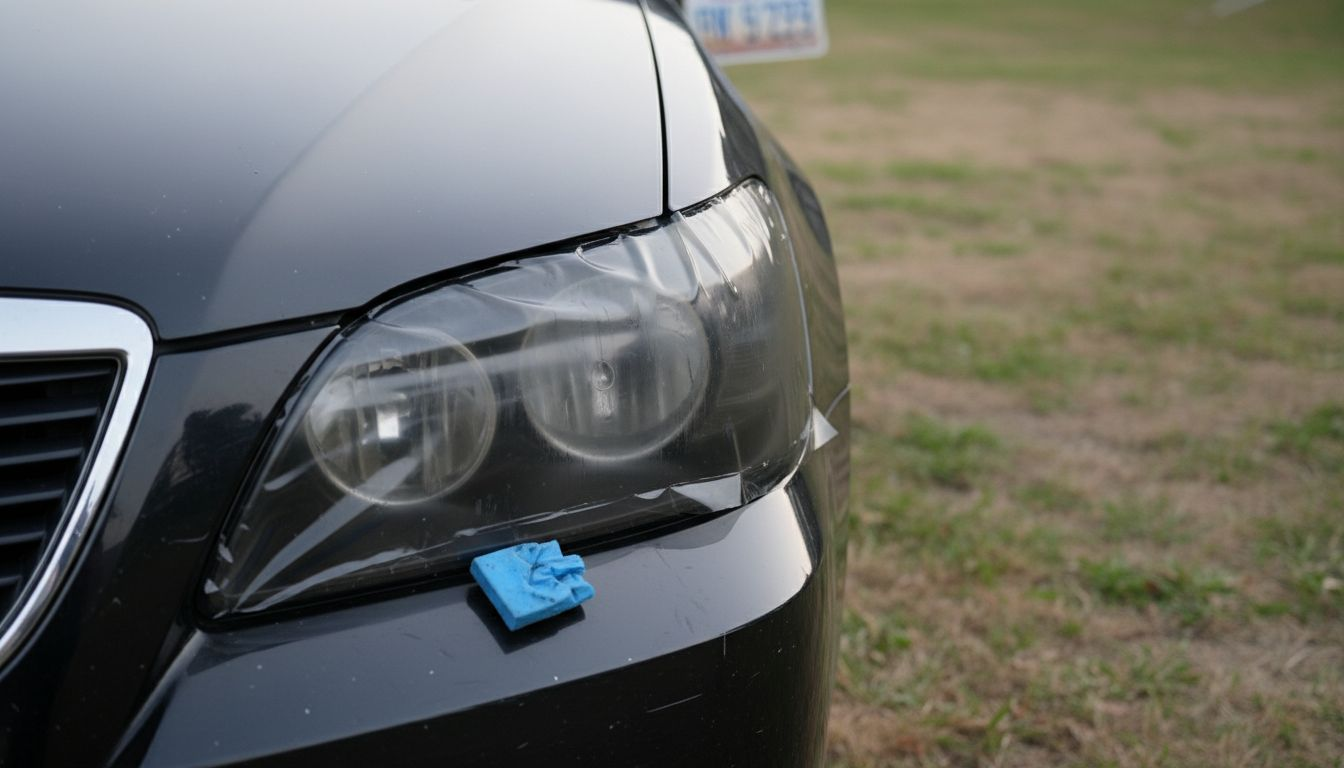
Ceramic film represents the premium tier of headlight tinting. It offers superior heat rejection, UV protection, and longer lifespan compared to other options. Ceramic particles embedded in the film block harmful UV rays without significantly reducing light output. This material preserves headlight lens clarity and prevents yellowing. Ceramic tints maintain their appearance for up to a decade, making them ideal for luxury vehicle owners who demand durability. The higher upfront cost pays off through reduced maintenance and replacement frequency.
Dyed film provides an affordable entry point for headlight customization. Manufacturers layer dye between adhesive and protective coatings to create various shades. Dyed films come in diverse colors, allowing creative expression. However, UV exposure gradually fades the dye, turning vibrant colors dull within 2 to 3 years. Frequent replacement becomes necessary if you want to maintain the original look. Budget-conscious enthusiasts often start with dyed film to test the aesthetic before upgrading.
Spray-on tint involves applying liquid coating directly to the headlight lens. This method creates a smooth, seamless finish without visible edges or seams. Professional-only installation ensures even coverage and proper curing. The permanent nature of spray-on tint means removal requires sanding and polishing, which can damage the lens if done incorrectly. Spray-on works best when you commit to a specific look long-term.
Specialty colors like chameleon and amber offer unique visual effects. Chameleon tints shift color based on viewing angle and lighting conditions, creating eye-catching iridescence. Amber tints provide a warm, golden glow popular in vintage and off-road builds. These options face legal restrictions in many states, including Washington and Idaho, where colored headlights often violate equipment laws. Always verify legality before choosing specialty colors.
Learning what is headlight tinting helps you understand how each type interacts with your vehicle’s existing lighting system. Exploring headlight tinting benefits reveals why so many enthusiasts embrace this modification despite the legal complexities.
Benefits of Headlight Tinting for Vehicle Owners
Headlight tinting delivers advantages that extend well beyond aesthetics. Understanding these benefits helps justify the investment and guides your selection process.
UV protection significantly extends headlight lens clarity and lifespan. Factory headlight lenses degrade under constant sun exposure, turning cloudy and yellow over time. Tinted films block harmful UV rays, preserving the lens material and maintaining transparency. This protection keeps your headlights looking new for years longer than untreated lenses.
Tint reduces glare, improving night driving comfort and safety. Excessive brightness from modern LED and HID headlights can reflect off wet roads and cause eye strain. A subtle tint softens this intensity without compromising illumination. You maintain full visibility while reducing harsh reflections that distract other drivers.
Protection from road debris prevents scratches and chips that mar headlight appearance. Stones, gravel, and sand constantly bombard your headlights at highway speeds. Tint films act as a sacrificial barrier, absorbing impacts that would otherwise damage the lens. Replacing a scratched film costs far less than replacing an entire headlight assembly.
Vehicle customization enhances curb appeal and expresses personal style. Tinted headlights create a cohesive, aggressive look that complements other modifications like lowered suspension or aftermarket wheels. Smoke tints pair beautifully with dark paint colors, while lighter tints suit brighter vehicle finishes. The subtle enhancement elevates your car’s presence without overwhelming its original design.
Preserving headlight condition through tinting may increase resale value. Buyers notice well-maintained lighting systems and appreciate vehicles with tasteful, legal modifications. Clear, protected headlights signal careful ownership and attention to detail. When selling, you can highlight the protective benefits of professional tinting as a value-added feature.
Discover more about the benefits of headlight tinting to see how this modification protects your investment while transforming your vehicle’s appearance.
Pro Tip: Pair headlight tinting with regular lens cleaning using pH-neutral solutions. Harsh chemicals can degrade tint adhesive and shorten film lifespan. Gentle maintenance keeps your tint looking pristine for years.
Legal and Safety Considerations for Headlight Tinting in Washington and Idaho
Navigating state regulations ensures your customization stays street-legal and safe. Understanding these rules protects you from fines and liability.
Washington and Idaho mandate minimum 70% light transmission for legal headlight tints. This standard means your tint can reduce light output by no more than 30%. Law enforcement and vehicle inspectors use light meters to verify compliance. Exceeding this limit results in citations and mandatory removal before you can pass inspection.
Colored and excessively dark tints face outright bans in both states. Blue, red, and other non-white light colors mimic emergency vehicles and confuse other drivers. Amber tints occupy a gray area, sometimes allowed for off-road use but prohibited on public streets. Black-out tints that eliminate headlight visibility completely are always illegal. Stick to subtle smoke shades that maintain white light output.
Excessive darkness impairs safety by reducing road illumination. Your headlights must project sufficient light to see obstacles, pedestrians, and road hazards at safe distances. Dark tints compromise this function, especially in rural areas without streetlights. What looks cool in daylight becomes dangerous at night. Prioritize visibility over extreme aesthetics.
Professional installation helps ensure compliance and avoids costly fines or inspection failures. Certified installers know local laws and select films that meet transmission requirements. They also apply tints evenly, preventing darker spots that could fail inspection. DIY attempts often result in non-compliant installations that waste time and money.
Non-compliance risks include fines ranging from $50 to $200 per violation, failed vehicle inspections requiring corrections before registration renewal, and safety hazards that increase accident liability. In worst cases, illegal tints can void insurance coverage if they contribute to a collision. Understanding why window tint laws matter clarifies the broader regulatory landscape affecting all automotive tinting.
Choosing Professional Headlight Tinting Services
Trusting experts with your headlight tinting ensures quality results that last and comply with regulations. Professional services deliver value that DIY attempts rarely match.
Certified installers use specialized tools like squeegees and heat guns for smooth, bubble-free application critical for curved headlights. Headlight lenses feature complex contours that challenge precise film placement. Heat guns soften vinyl and ceramic films, allowing them to stretch and conform without wrinkling. Squeegees remove trapped air and water, creating seamless adhesion. These techniques require practice and skill that casual DIYers lack.
Professional-grade films come with warranties and longer-lasting performance. Reputable manufacturers back their products with guarantees against fading, peeling, and delamination. Installers who use these films often extend their own workmanship warranties, covering reinstallation if problems arise. Cheap films sold online rarely include such protections, leaving you stuck with failed tints.
Proper installation prevents peeling, bubbling, or uneven edges affecting look and legality. Edge lifting allows moisture intrusion that accelerates film degradation. Bubbles scatter light unevenly, potentially reducing effective illumination below legal thresholds. Professionals prep surfaces thoroughly, removing contaminants that cause adhesion failures. They also trim films precisely, eliminating visible edges that cheapen the appearance.
Experts ensure tints comply with Washington and Idaho laws, avoiding fines and inspection issues. They maintain current knowledge of transmission requirements and color restrictions. Before starting work, they confirm your chosen tint meets local standards. This proactive approach saves you from discovering non-compliance during vehicle inspections or traffic stops.
Professional service aligns aesthetic goals with safety and legal standards for optimal results. Installers help you balance your vision with practical constraints. They recommend films that achieve your desired look while preserving headlight function. This guidance prevents disappointment and costly mistakes. Learning why professional tinting services matter reveals the full scope of benefits expert installation provides. Investing in quality headlight tinting through certified professionals protects both your vehicle and your budget.
Summary Comparison and Situational Recommendations
Comparing tint options side by side clarifies which choice suits your specific needs. Use this information to match your priorities with the right product.
Tint Type | Durability | Cost per Light | Aesthetics | Legal Compliance |
Ceramic | Up to 10 years | $200+ | Premium clarity, minimal darkening | Excellent if chosen correctly |
Dyed | 2-3 years | $50-$75 | Vibrant colors, moderate darkness | Good with light shades |
Vinyl | 3-5 years | $75-$150 | Customizable, versatile finishes | Excellent with proper selection |
Spray-On | Permanent | $150-$250 | Seamless, smooth appearance | Excellent if professionally applied |
Ceramic tints work best for long-term UV protection and premium looks. If you own a luxury vehicle and plan to keep it for many years, ceramic delivers unmatched durability. The higher upfront investment disappears when you avoid frequent replacements. Ceramic also maintains headlight clarity better than any other option, preserving resale value.
Dyed tints suit budget-conscious owners prioritizing style over longevity. Young enthusiasts who enjoy changing their vehicle’s appearance every few years appreciate dyed film affordability. The trade-off involves more frequent replacements as colors fade. If you treat tinting as a temporary modification, dyed films make economic sense.
Vinyl tints offer maximum customization and removability for evolving tastes. Lease holders and owners who swap vehicles frequently benefit from vinyl’s easy removal. The moderate durability and cost balance performance with flexibility. Vinyl works well when you want professional quality without committing to permanent changes.
Spray-on tints excel for permanent modifications requiring expert care. Serious enthusiasts building show cars or project vehicles favor spray-on for its seamless finish. The irreversible nature demands certainty about your chosen look. If you commit to a specific aesthetic long-term, spray-on delivers the cleanest results.
Recommendations tailored to luxury owners emphasize durability and compliance. Ceramic or high-quality vinyl films protect expensive headlight assemblies while maintaining elegant subtlety. For enthusiasts valuing flexible styles, vinyl offers the best balance of customization and reversibility. Compare ceramic and regular tints to understand performance differences. Then choose the right tint for your vehicle based on your ownership plans and aesthetic goals.
Enhance Your Vehicle with Professional Headlight Tinting at Optyx Auto Studio
Now that you understand headlight tinting options and legal requirements, it’s time to bring your vision to life. Optyx Auto Studio delivers certified professional headlight tinting that combines flawless application with full legal compliance for Washington and Idaho vehicle owners. Our expert installers guide you through premium ceramic, vinyl, and specialty tint selections tailored specifically for luxury and enthusiast vehicles.
We align your aesthetic preferences with safety standards and state regulations, ensuring every installation meets 70% minimum light transmission requirements. Beyond headlight tinting, explore our complementary services including paint correction to complete your vehicle’s transformation. Our professional window tint services extend protection and style to your entire vehicle. Discover comprehensive guidance in our premium window tint guide to maximize your investment. Trust Optyx Auto Studio’s 35 years of experience to deliver results that enhance your vehicle’s appearance while protecting your investment for years to come.
Frequently Asked Questions
What is the darkest legal headlight tint allowed in Washington and Idaho?
Both Washington and Idaho require headlight tints to maintain at least 70% light transmission, meaning the darkest legal tint can block only 30% of light output. This standard ensures adequate nighttime visibility and road safety. Exceeding this limit results in fines and failed vehicle inspections.
How often do headlight tints need replacement or maintenance?
Replacement frequency depends on tint type. Ceramic films last up to 10 years with minimal maintenance, vinyl films typically need replacement every 3 to 5 years, and dyed films fade within 2 to 3 years. Regular cleaning with pH-neutral solutions extends lifespan regardless of tint type.
Can I use colored or chameleon tints on my headlights legally?
Washington and Idaho prohibit colored headlight tints that emit non-white light, including blue, red, and most chameleon finishes. These colors mimic emergency vehicles and confuse other drivers. Subtle smoke tints that maintain white light output remain the only legally compliant colored option. Always verify with tint laws in Washington and Idaho before choosing specialty colors.
What are the risks of DIY headlight tinting versus professional installation?
DIY attempts often result in bubbles, peeling edges, and uneven coverage that reduce light output below legal limits. Without proper tools like heat guns and squeegees, achieving smooth application on curved headlight surfaces proves extremely difficult. Professional installation includes compliance verification, warranties, and proper surface preparation that DIY methods cannot match.
Does headlight tinting affect insurance or vehicle inspections?
Non-compliant tints can void insurance coverage if they contribute to accidents by reducing visibility. Vehicle inspections in Washington and Idaho measure light transmission, and tints failing the 70% minimum requirement prevent registration renewal. Professional installation ensures compliance with both insurance requirements and state inspection standards.
Recommended


Comments