
Multi-Stage Paint Correction: Unlocking Showroom Shine

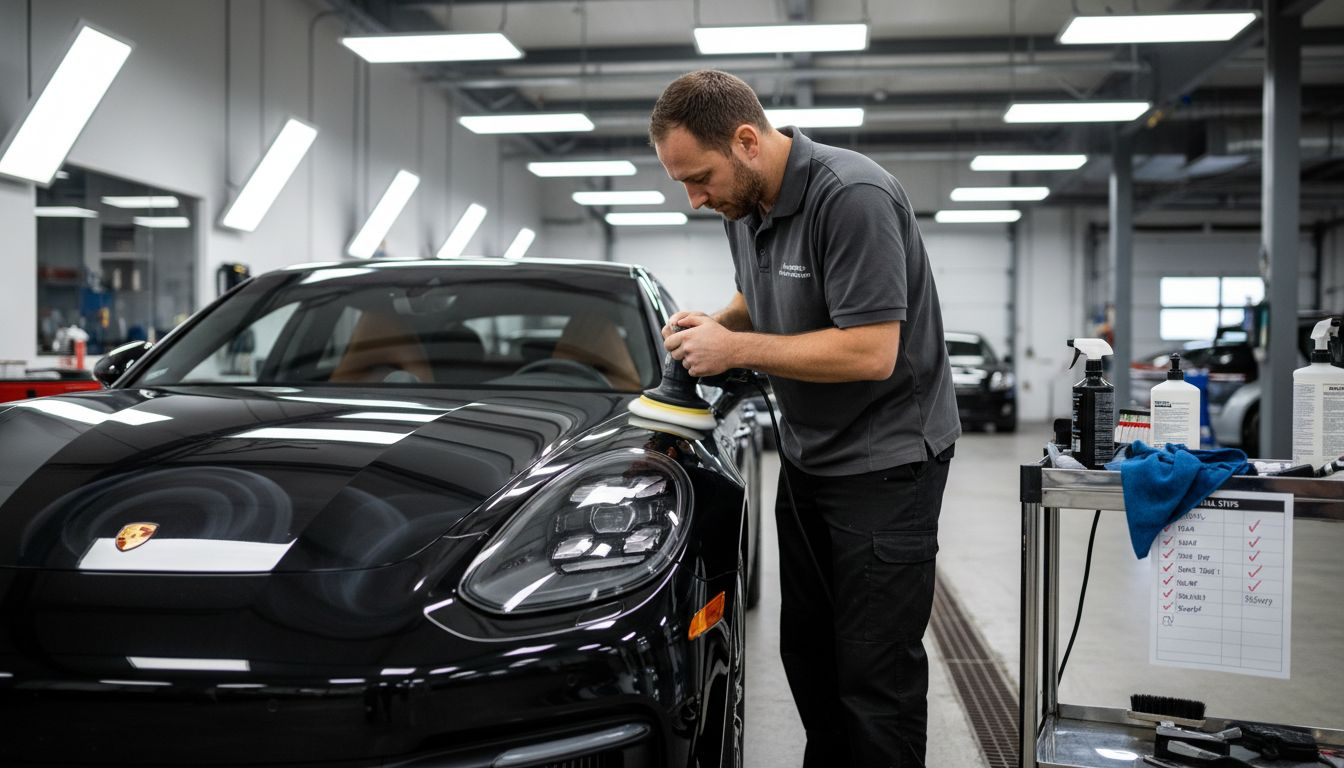
Luxury vehicles in Spokane deserve more than a basic shine. Scratches, swirl marks, and imperfections can rob even a high-end finish of its brilliance and value. Multi-stage paint correction offers a showroom-quality finish by systematically targeting defects at every layer, using advanced compounds, specialized pads, and precise machine techniques. Discover how this expert process restores depth, clarity, and unmatched gloss while protecting your investment from future damage.
Table of Contents
Key Takeaways
Point | Details |
Multi-Stage Correction Process | Involves three phases: cutting, refining, and finishing to achieve showroom-quality paint. |
Professional Insight Required | Requires skilled detailers to use appropriate tools and techniques to avoid damage. |
Benefits for Luxury Vehicles | Enhances aesthetics and preserves vehicle value, making it a strategic investment. |
Risk Management | Accurate assessment and careful handling are crucial to prevent paint-related issues. |
What Is Multi-Stage Paint Correction?
Multi-stage paint correction represents a sophisticated automotive detailing technique designed to transform a vehicle’s paintwork from imperfect to showroom-quality. Unlike basic single-stage polishing, this method uses multiple strategic steps to systematically address varying levels of paint damage and restore a vehicle’s original luster.
At its core, multi-stage paint correction involves using different polishing compounds, pad types, and machine techniques to progressively remove surface imperfections. Polishing techniques range from intensive correction to refined finishing, allowing detailers to tackle everything from deep scratches to subtle swirl marks.
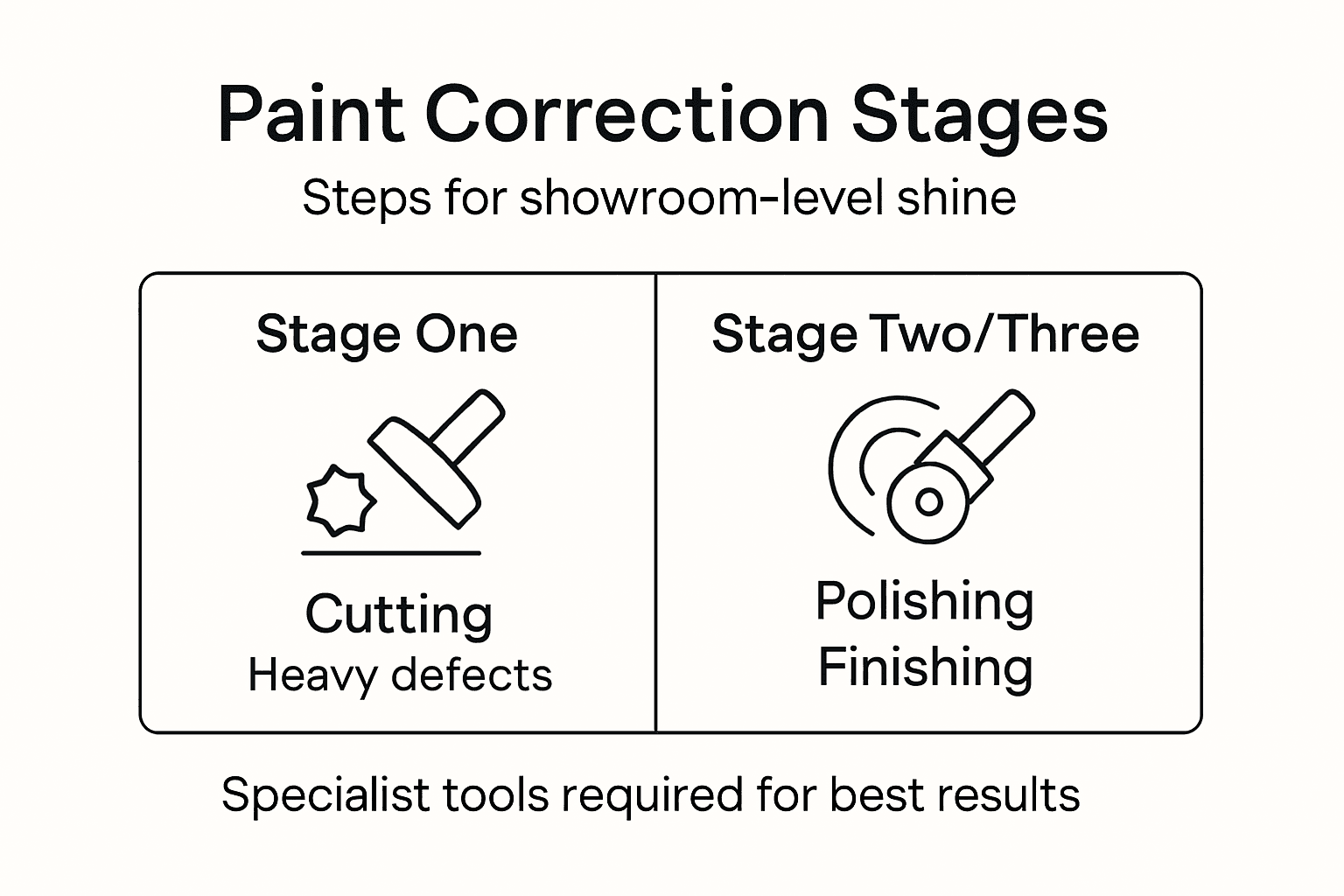
The multi-stage process typically includes three primary phases:
Initial Cutting Stage: Aggressive compound and pad combination to remove significant paint defects
Intermediate Refinement Stage: Medium-grade polish to smooth out remaining imperfections
Final Finishing Stage: Ultra-fine polish to achieve maximum gloss and clarity
Each stage requires precise technique, specialized equipment, and an understanding of paint composition. Professional detailers use different pad hardness, machine speeds, and compound abrasiveness to gradually correct paint without removing excessive material.
Pro tip: Always test your polishing technique on a small, inconspicuous area first to ensure optimal results and prevent potential paint damage.
Stages And Techniques In Paint Correction
Paint correction is a meticulous process that transforms damaged vehicle surfaces through carefully orchestrated stages of refinement. Professional detailers utilize sophisticated techniques to systematically address different types and depths of paint imperfections, ensuring a flawless finish.
Polishing techniques involve strategic parameter adjustments that optimize surface quality while minimizing potential damage. The multi-stage approach typically involves three critical phases, each targeting specific levels of paint defects:
Initial Cutting Stage: Removes significant scratches and deeper paint imperfections
Intermediate Correction Stage: Smooths out moderate surface irregularities
Final Finishing Stage: Enhances gloss and creates mirror-like reflection
Each stage requires precision and specialized equipment. Detailers must select appropriate polishing pads, compounds, and machine settings to progressively refine the paint surface. The process demands extensive knowledge of paint composition, machine dynamics, and correction techniques.
Professional Tools Matter: Dual-action and rotary polishers enable different correction approaches. Dual-action machines provide safer, more controlled correction for novice detailers, while rotary polishers offer more aggressive correction for experienced professionals.
Paint correction is not about removing maximum paint material, but about strategically improving surface quality with minimal material reduction.
Pro tip: Invest in high-quality microfiber towels and always work in small, manageable sections to maintain consistent correction results.
How Multi-Stage Correction Differs From Alternatives
Unlike traditional paint correction methods, multi-stage correction represents a comprehensive approach to automotive paint restoration that goes far beyond simple surface treatment. Single-stage polishing techniques have significant limitations when confronted with complex paint imperfections.
The key differences between multi-stage and alternative correction methods include:
Depth of Correction: Multi-stage approaches address paint defects at multiple levels
Precision: Systematic refinement instead of broad, generic treatment
Final Result: Showroom-quality finish versus basic surface improvement
Time Investment: More comprehensive process requiring specialized skills
Technical Complexity sets multi-stage correction apart. While single-stage polishing might quickly address minor scratches, it cannot effectively tackle deeper paint defects or restore severely damaged surfaces. Professional detailers understand that different paint imperfections require nuanced correction strategies.
Multi-stage correction is a surgical approach to paint restoration, not a one-size-fits-all solution.
Correction Levels create a stark contrast between methods. Single-stage polishing applies one product across the entire surface, whereas multi-stage correction uses progressively refined techniques to transform paint from damaged to pristine.
Here’s a quick overview comparing multi-stage correction to single-stage polishing:
Aspect | Multi-Stage Correction | Single-Stage Polishing |
Correction Depth | Addresses all levels of imperfections | Treats mostly surface flaws |
Equipment Required | Multiple pads and compounds needed | Single product and pad used |
Desired Outcome | Showroom-quality finish possible | Basic surface improvement |
Skill Level | Advanced detailing skills required | Suitable for beginners |
Pro tip: Invest in professional training or consultation before attempting advanced multi-stage correction to avoid potentially costly paint damage.
Benefits And Costs For Luxury Vehicles
Luxury vehicle owners face unique challenges when maintaining their high-end automotive investments. Advanced paint technologies offer significant long-term protection that directly impact a vehicle’s aesthetic value and resale potential.
The benefits of multi-stage paint correction for luxury vehicles include:
Aesthetic Enhancement: Restores showroom-level paint quality
Value Preservation: Maintains vehicle’s market value
Protective Layer: Shields paint from environmental damage
Customized Restoration: Tailored approach for specific paint conditions
Cost Considerations play a critical role in the decision-making process. While multi-stage correction represents a higher initial investment, it provides substantial long-term benefits. Professional detailing can range from $500 to $2,500 depending on the vehicle’s condition, size, and desired finish level.
Professional paint correction is an investment in your vehicle’s appearance and value, not just an expense.
Complex luxury vehicles with intricate paint systems require more specialized attention. Performance vehicles, classic cars, and high-end luxury brands demand precise correction techniques that generic approaches cannot deliver.
Pro tip: Request a detailed assessment and written quote that breaks down each correction stage to understand the full scope of work and associated costs.
Risks, Common Mistakes, And Prevention
Paint correction involves nuanced technical processes that can quickly become risky without proper knowledge and technique. Painting operations require careful safety considerations to prevent potential damage to your vehicle’s finish.
Common mistakes in multi-stage paint correction include:
Excessive Pressure: Applying too much force during polishing
Incorrect Pad Selection: Using wrong polishing pad for specific paint condition
Skipping Inspection: Failing to assess paint thickness before correction
Improper Chemical Use: Selecting incompatible compounds and pads
Technical Risks can dramatically impact a vehicle’s paint system. Over-aggressive polishing can permanently thin clear coat layers, potentially reducing paint protection and aesthetic quality. Professional detailers must meticulously measure paint thickness and select appropriate correction techniques.
The following summarizes core risks and prevention measures in paint correction:
Risk Type | Common Cause | Prevention Strategy |
Paint Thinning | Over-aggressive polishing | Regular thickness measurement |
Surface Hazards | Incorrect pad selection | Choose pad for paint type |
Chemical Damage | Incompatible compound use | Research before application |
Missed Defects | Skipping inspection | Full pre-correction assessment |
Precision matters more than aggression when correcting automotive paint surfaces.
Lead-safe work practices become particularly critical when dealing with older vehicles that might have complex paint histories. Especially for classic or vintage automobiles, understanding potential underlying paint complications is essential.
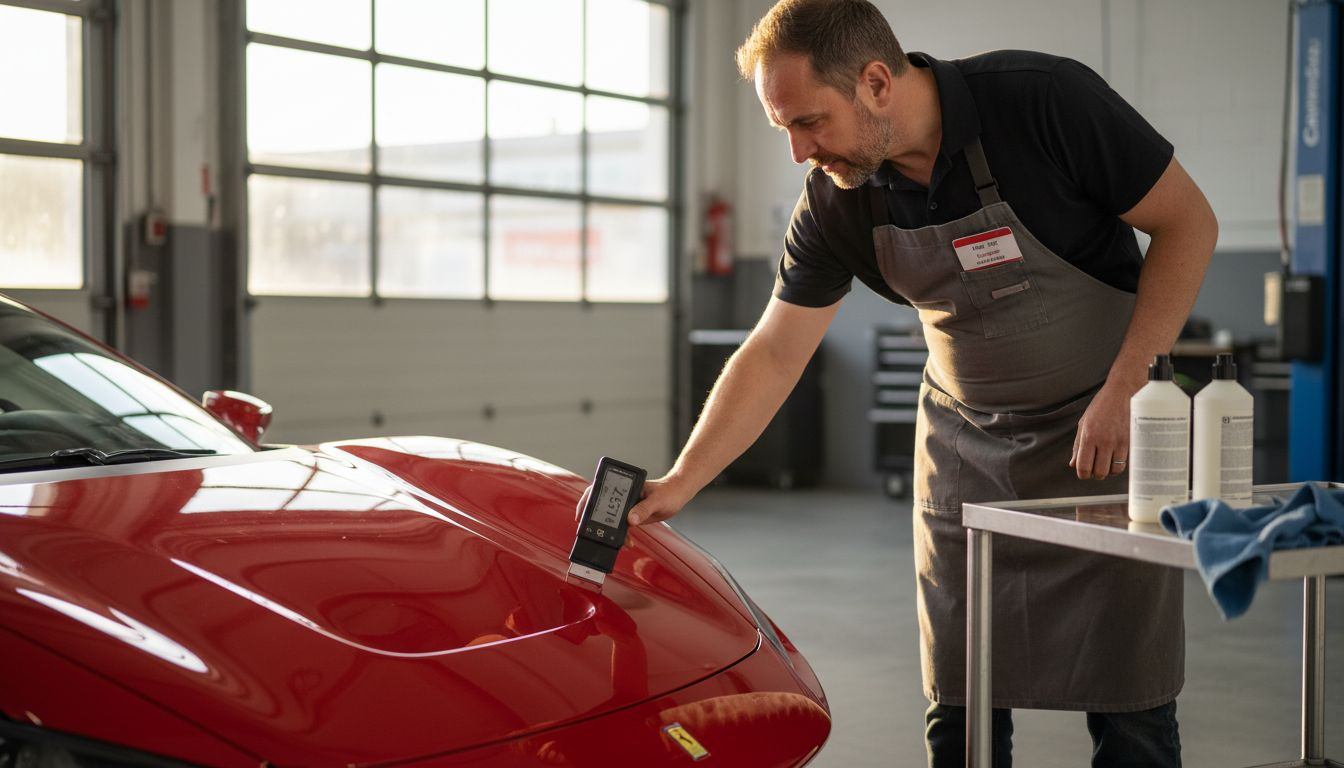
Pro tip: Invest in a professional paint thickness gauge and always perform a comprehensive paint condition assessment before beginning any correction process.
Elevate Your Vehicle’s Finish with Expert Multi-Stage Paint Correction
If you want to overcome common challenges like swirl marks, scratches, and uneven gloss described in the article Multi-Stage Paint Correction Unlocking Showroom Shine then our premium paint correction services at Optyx Auto Studio are exactly what you need. We understand the importance of using the right compounds pads and technique at every stage of the correction process to achieve that flawless mirror-like finish without risking paint thinning or damage.
Experience the difference of meticulous craftsmanship backed by over 35 years of expertise. Take control of your vehicle’s appearance and protect its value through precise multi-stage paint correction combined with our advanced paint protection film and ceramic coating options. Don’t settle for basic fixes when you can achieve showroom quality backed by certified installers and top-tier products. Visit Optyx Auto Studio now to schedule your consultation and start your vehicle’s transformation today.
Frequently Asked Questions
What is multi-stage paint correction?
Multi-stage paint correction is an advanced technique used in automotive detailing to restore a vehicle’s paintwork through a systematic process. It involves multiple stages using different polishing compounds and techniques to address varying levels of paint imperfections and achieve a showroom-quality finish.
How does multi-stage paint correction differ from single-stage polishing?
Multi-stage paint correction differs by addressing paint defects at multiple levels, allowing for a more precise and thorough refinement. Single-stage polishing typically treats only surface flaws and does not effectively tackle deeper paint imperfections.
What are the main stages in the multi-stage paint correction process?
The multi-stage paint correction process typically includes three stages: the Initial Cutting Stage for aggressive correction of significant defects, the Intermediate Refinement Stage for smoothing out remaining imperfections, and the Final Finishing Stage for maximizing gloss and clarity.
What are common mistakes to avoid during paint correction?
Common mistakes include applying excessive pressure during polishing, using incorrect pad selections, skipping paint inspections, and using incompatible polishing compounds. These errors can lead to paint damage or unsatisfactory results.
Recommended


Comments