
PPF Technology Explained: The Science Behind Elite Auto Protection

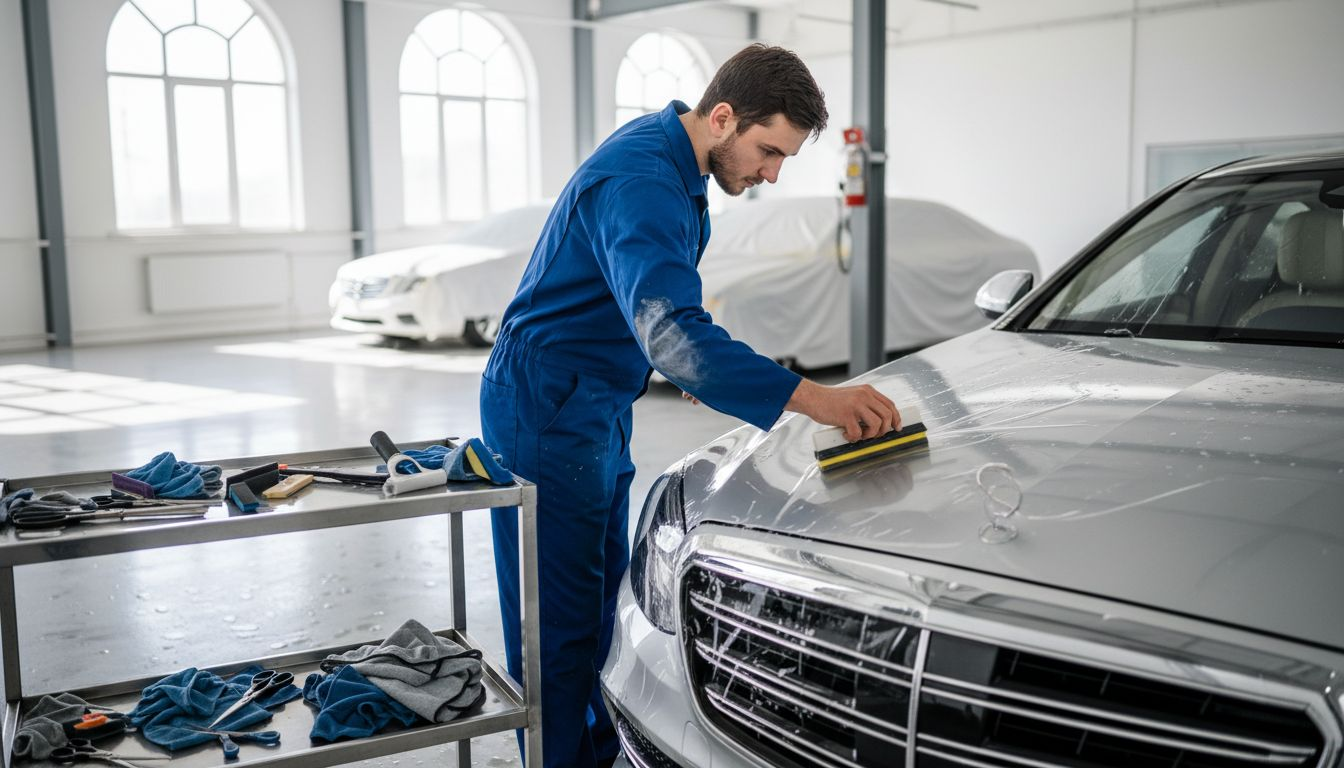
Every drive on Spokane roads can quickly turn a flawless paint job into a collection of rock chips and scratches. For luxury vehicle owners and car enthusiasts, these hazards are more than cosmetic—they threaten your investment’s value and allure. Paint protection film, or PPF, offers a modern, nearly invisible shield that keeps your finish looking showroom new while powering through everything Eastern Washington throws at your car.
Table of Contents
Key Takeaways
Point | Details |
PPF Provides Optimal Protection | Paint Protection Film (PPF) acts as a durable barrier against rock chips, UV damage, and minor abrasions, preserving your vehicle’s factory finish. |
Self-Healing Technology | PPF features self-healing properties that allow minor scratches to disappear when exposed to heat, enhancing its longevity and appearance. |
Professional Installation is Crucial | Proper installation by certified professionals ensures optimal adhesion and minimizes defects, which is vital for maintaining PPF effectiveness. |
Cost-Effective Long-Term | While upfront costs for PPF may be higher, the savings on potential paint repairs make it a financially sound investment for luxury vehicle owners. |
What Is PPF Technology And How It Works
Paint protection film, commonly called PPF, is a thermoplastic urethane layer that shields your vehicle’s painted surfaces from damage. It acts like an invisible suit of armor, protecting against stone chips, bug splatters, road salt, and minor abrasions that accumulate during daily driving.
The film has a remarkable ability: it’s self-healing. Minor scratches and swirl marks literally disappear when warmed by sunlight or heat. This isn’t magic—the material’s molecular structure allows it to return to its original state.
How PPF Protects Your Vehicle
High-impact areas take the most abuse on Spokane roads, especially during winter when gravel and road salt are abundant. Paint protection film targets these vulnerable zones:
Hood and fenders (most exposed to flying debris)
Bumper and front lip (first line of impact)
Door handles and mirrors (constant contact points)
Rocker panels (vulnerable to splashes and salt)
Headlights and fog lights (exposed to environmental hazards)
The film creates a physical barrier between your paint and whatever the road throws at it.
The Real-World Application
Optyx installers apply PPF using precision techniques that minimize visible edges. The film bonds permanently to your paint, yet it’s completely removable without residue when the time comes.
Unlike wax or sealants that wear away in months, quality PPF lasts 5-10 years. Your luxury vehicle’s finish stays pristine underneath, protected from UV damage, oxidation, and chemical exposure.
PPF is the most effective way to preserve your vehicle’s factory finish while maintaining its resale value.
Why This Matters for Spokane Owners
Your region’s climate creates unique challenges. Winter weather combines snow, salt, sand, and temperature fluctuations that accelerate paint degradation. Summer brings intense UV exposure and occasional hailstorms. PPF shields against all of it.
When you’re investing in a luxury vehicle, protecting that investment makes financial sense. A paint correction job costs far more than preventative PPF installation.
Pro tip: Apply PPF to high-impact zones first (hood, bumper, fenders), then consider full coverage as your second phase—this approach balances protection with budget.
Types Of Paint Protection Film For Cars
Not all paint protection films are created equal. The market offers several variants, each designed with specific performance characteristics and application purposes. Understanding the differences helps you choose the right protection for your Spokane luxury vehicle.
Standard Clear Film
The most common type, clear film provides straightforward protection without altering your paint’s appearance. These films are transparent, allowing your vehicle’s original color and finish to shine through completely.
Clear film excels at blocking UV rays, preventing oxidation, and shielding against minor impacts. It’s ideal for owners who want invisible protection that doesn’t change their vehicle’s aesthetic.
Self-Healing PPF
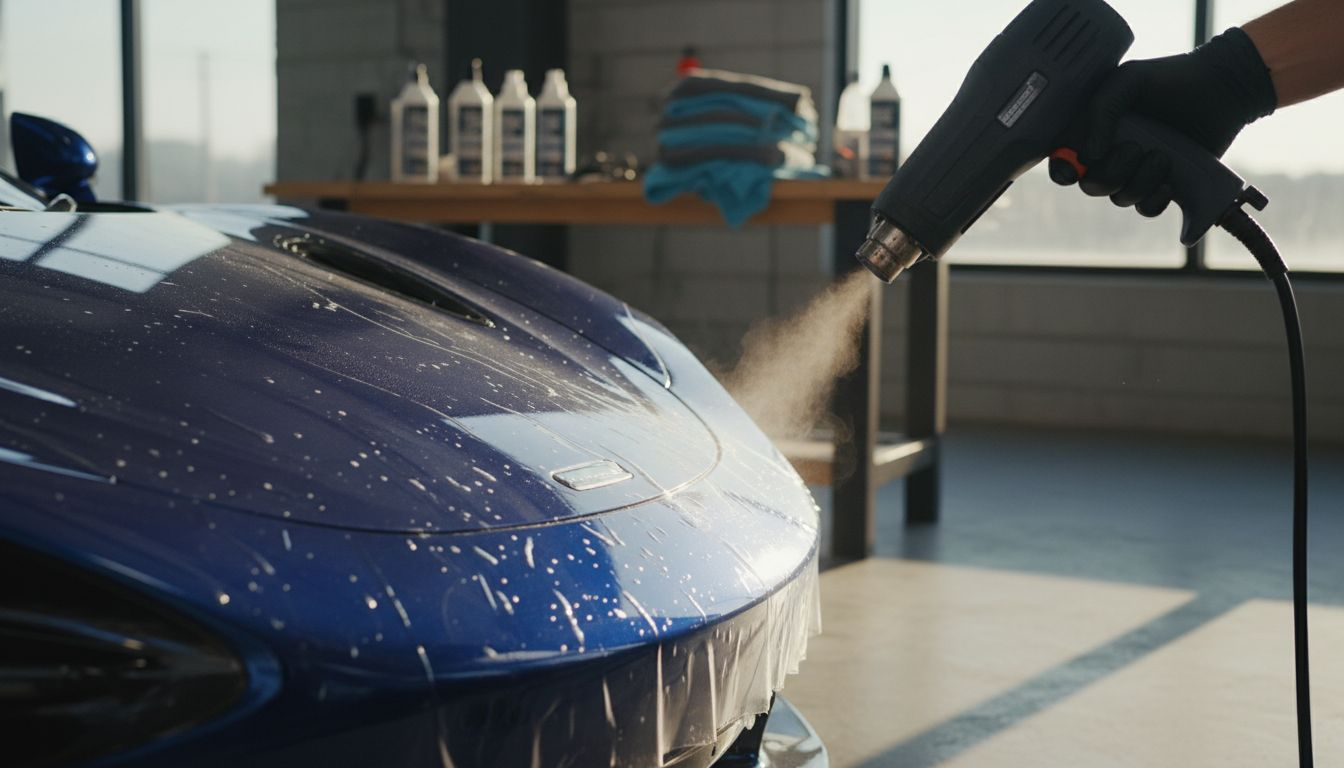
Self-healing formulations contain special polymers that automatically repair minor scratches and swirl marks when exposed to heat. This technology sets premium films apart from budget options.
When sunlight or gentle heat reaches the film, micro-scratches vanish as the material returns to its original state. This capability extends your film’s lifespan significantly and keeps it looking flawless longer.
High-Performance Variants
Advanced paint protection film types vary in thickness, flexibility, and environmental resistance. Differences include:
Thickness levels (ranging from 6 to 8 millimeters for optimal coverage)
Flexibility (critical for complex curves on bumpers and mirrors)
Environmental durability (superior resistance to salt, chemicals, and UV exposure)
Clarity ratings (premium films maintain optical clarity longer)
Adhesive strength (better bonding prevents peeling or lifting)
Thicker films provide maximum protection but sacrifice some flexibility. Thinner variants bend around curves more easily but offer less impact resistance.
OEM-Approved Films
Manufacturer-approved PPF meets or exceeds factory standards. Luxury vehicle brands often recommend specific film types that won’t void warranties or damage paint finishes.
Optyx uses OEM-approved products that maintain your vehicle’s resale value and manufacturer coverage. This matters significantly when protecting high-end automobiles.
The following table summarizes PPF film types for easy reference:
Film Type | Key Feature | Best Used For |
Standard Clear | Transparent, basic defense | All-over, invisible look |
Self-Healing | Repairs scratches with heat | High-impact zones |
High-Performance | Superior thickness or clarity | Harsh climates, luxury cars |
OEM-Approved | Factory-backed standards | Warranty-safe installs |
The best PPF choice balances protection level, thickness, flexibility, and your vehicle’s specific geometry.
Choosing for High-Impact Areas
Your hood, bumper, fenders, and mirrors need film designed for those zones. Complex-curve areas on modern vehicles require flexible formulations that conform perfectly without wrinkles or gaps.
Straighter panels allow thicker, more protective film. Curved surfaces demand flexibility without sacrificing durability.
Pro tip: Start with self-healing film on high-impact zones (hood and bumper), then expand to standard clear film on less-exposed areas to maximize protection within budget.
Professional Installation And Application Process
PPF installation isn’t a DIY project. This process demands precision, specialized equipment, and years of experience to achieve flawless results. Amateur application leads to visible edges, bubbles, wrinkles, and premature failure.
Why Professional Installers Matter
Trained professionals use specialized tools and techniques to conform film to your vehicle’s unique contours. They understand how different surfaces require different approaches, ensuring the film becomes virtually invisible once applied.
Optyx certified installers bring decades of combined experience. They’ve mastered the subtle skills that separate mediocre installations from elite results.
Surface Preparation
The foundation determines everything. Technicians begin by thoroughly cleaning your paint, removing contaminants, road tar, and residue that could compromise adhesion.
This cleaning step takes time and precision. Rushing it guarantees adhesion problems and film failure down the road. Quality installers never skip this critical phase.
The Application Steps
Proper installation follows a systematic process:
Mapping the vehicle and identifying all coverage areas
Precision trimming to match your vehicle’s exact contours
Careful positioning before final adhesive application
Bubble removal using specialized tools and techniques
Edge finishing to ensure no visible seams or gaps
Final inspection under multiple lighting conditions
Each step requires skill. Incorrect positioning wastes expensive material. Poor trimming creates visible edges. Improper bubble removal leaves permanent defects.
Adhesive Application and Curing
The adhesive bonds PPF permanently to your paint. Installers apply it with precision, avoiding excess that causes visible edges or insufficient coverage that leads to peeling.
After application, the film requires proper curing time. Humid conditions, temperature fluctuations, and premature water exposure all compromise the bond. Professional installations include detailed aftercare instructions.
Quality Control Standards
Certified installers maintain rigorous quality standards comparable to professional coating accreditation programs that emphasize surface preparation, application expertise, and quality verification.
Optyx conducts final inspections under controlled lighting to catch any imperfections. This attention to detail separates premium installations from basic applications.
Professional installation includes warranties because experts stand behind their work—amateur applications don’t.
Warranty and Guarantees
Reputable installers offer warranties covering defects, peeling, and delamination. This guarantee reflects confidence in their craftsmanship and material quality. Always verify warranty terms before committing.
Pro tip: Ask installers to show you their quality control process and previous work before committing—photos of completed installations reveal professionalism and attention to detail.
Benefits, Costs, And Common Pitfalls
Investing in PPF delivers measurable returns for Spokane luxury vehicle owners. Understanding both the advantages and potential pitfalls helps you make an informed decision and avoid costly mistakes.
The Real Benefits
PPF protects your paint from the damage that costs thousands to repair. Rock chips, scratches, and environmental contaminants diminish your vehicle’s aesthetic appeal and resale value. PPF prevents these issues before they start.
Your paint stays pristine underneath. When you eventually sell or trade your vehicle, the original finish commands higher value. This protection pays for itself through resale appreciation.
Cost Breakdown
Costs vary significantly based on coverage and film quality. Partial coverage (hood, bumpers, mirrors) typically ranges from $1,000 to $2,500. Full-body protection runs $4,000 to $7,000 depending on your vehicle’s complexity.
Compare this to a single paint correction job, which costs $800 to $2,000. A few rock chips requiring professional repair run $500 to $1,500 each. PPF prevents these recurring expenses.
Why Proper Maintenance Matters
After installation, your PPF needs basic care to perform optimally. Neglecting maintenance creates problems that compromise the film’s protective capability.
Common maintenance issues include:
Skipping regular washing (allows contaminants to bond to film)
Using harsh chemicals (degrades adhesive or causes clouding)
Ignoring water spots (mineral deposits etch the film surface)
Avoiding professional detailing (improper techniques damage edges)
Proper care extends your film’s lifespan and maintains its appearance.
The Pitfalls That Cost Money
Installation failures including bubbling, peeling, and poor edge finishing stem from inadequate surface preparation or careless application. These defects compromise protection and look terrible.
Other costly pitfalls emerge from inadequate surface preparation, poor application techniques, and insufficient inspection that compromise protective performance. Budget PPF installers cut corners on cleaning, trimming, and quality verification.
Choosing an unqualified installer saves money upfront but costs exponentially more when the film fails prematurely.
The cheapest installation often becomes the most expensive mistake—professional expertise prevents costly failures.
Haze and Clarity Loss
Lower-quality films develop haze over time, especially under intense UV exposure. This yellowing or cloudiness degrades visibility and appearance. Premium films resist haze formation for years longer.
Water exposure during curing or improper cleaning techniques can also cause temporary or permanent clarity issues.
Pro tip: Choose a reputable installer with documented warranties and ask about their film brand’s long-term clarity ratings—this single decision prevents most common pitfalls.
PPF Versus Other Paint Protection Options
Multiple paint protection methods exist, but they work fundamentally differently. Understanding these distinctions helps you choose the right solution for your luxury vehicle’s specific needs.
How PPF Differs From Ceramic Coatings
Ceramic coatings create a chemical bond to your paint, forming a hydrophobic, UV-resistant layer. They excel at water beading and maintaining gloss but provide minimal impact protection.
PPF operates differently. It’s a physical urethane barrier that absorbs impacts and shields against rock chips. Ceramic coatings can’t stop a stone from hitting your paint—PPF can.
Many luxury vehicle owners use both. Ceramic coating goes over PPF for added hydrophobic benefits and enhanced gloss. This layered approach maximizes protection and appearance.
The Wax and Sealant Reality
Waxes and sealants offer temporary surface protection lasting 3 to 6 months. They hydrate paint and provide some UV resistance but wear away quickly, especially in Spokane’s harsh climate.
These products protect the protection layer, not your actual paint. A rock chip blasts through wax instantly. PPF stops the chip before it reaches your paint.
Here’s a concise comparison of popular car paint protection methods:
Protection Method | Impact Resistance | Maintenance Required | Typical Lifespan |
PPF (Paint Protection Film) | Excellent against chips, absorbs impacts | Moderate—wash and inspect | 5 to 10 years |
Ceramic Coating | Minimal, enhances gloss | Low—mainly washing | 2 to 5 years |
Wax/Sealant | No impact protection | High—reapply often | 3 to 6 months |
Impact Protection Comparison
Paint protection film’s physical barrier absorbs and disperses impact energy from flying debris. The self-healing properties repair micro-scratches automatically.
Ceramic coatings lack this absorption capability. Waxes offer no impact defense whatsoever. Only PPF provides comprehensive protection against the road hazards you encounter daily.
Protection capabilities differ dramatically:
PPF: Stops rock chips, absorbs impacts, self-heals minor damage
Ceramic coatings: Resists water and UV, adds gloss, no impact protection
Waxes/sealants: Temporary water beading, minimal UV defense, no impact protection
Durability and Longevity
Quality PPF lasts 5 to 10 years with proper care. Ceramic coatings typically protect for 2 to 5 years. Waxes require reapplication every few months.
When protecting a six-figure luxury vehicle, durability matters. The cheapest option requires constant maintenance. PPF protects for years without fuss.
Cost-Effectiveness Over Time
Initial PPF costs more than ceramic coating or wax applications. However, prevented damage saves thousands long-term.
A single rock chip repair costs $500 to $1,500. Preventing chips through PPF pays for itself within the first few years. Ceramic coatings supplement PPF but don’t replace it for impact protection.
PPF offers impact protection other coatings cannot match—this distinction makes it essential for high-impact zones.
The Optimal Strategy
Professionals recommend PPF on high-impact areas (hood, bumper, fenders, mirrors) plus ceramic coating for enhanced hydrophobics and gloss on all surfaces. This combination maximizes both protection and appearance.
Wax serves as occasional maintenance between ceramic coating applications but shouldn’t be your primary protection strategy.
Pro tip: Apply PPF first for impact protection, then add ceramic coating on top for water beading and enhanced shine—this layered approach offers maximum protection and appearance for luxury vehicles.
Experience Elite Vehicle Protection with Optyx Auto Studio
Your vehicle deserves more than basic care. The article explains how Paint Protection Film (PPF) shields your paint from harsh impacts and environmental damage with cutting-edge self-healing technology. Yet, even the best film fails without expert installation and precise surface preparation. At Optyx Auto Studio, we specialize in applying premium PPF using certified installers and advanced techniques that minimize visible edges and ensure lasting adhesion.
Protect your investment now by choosing a trusted expert who understands the science behind elite auto protection. Explore our comprehensive paint protection film services and discover how we blend functionality with aesthetic perfection. Don’t wait until costly chips and scratches lower your vehicle’s value. Visit Optyx Auto Studio today and schedule a consultation to upgrade your vehicle’s defense with precision and care.
Frequently Asked Questions
What is PPF technology and how does it protect vehicles?
PPF, or Paint Protection Film, is a thermoplastic urethane layer that protects your vehicle’s paint from damage caused by stone chips, bug splatters, and minor abrasions. It acts as an invisible barrier that absorbs impacts, helping to maintain the vehicle’s finish.
How long does Paint Protection Film (PPF) last?
Quality PPF can last between 5 to 10 years, depending on the brand and environmental conditions. Proper maintenance can extend its lifespan and effectiveness.
What are the different types of Paint Protection Films available?
There are several types of PPF, including standard clear films, self-healing films that repair minor scratches with heat, high-performance variants that offer superior thickness and clarity, and OEM-approved films that meet manufacturer standards for vehicle protection.
How does PPF compare to ceramic coatings or wax?
PPF provides excellent impact protection against chips and abrasions, while ceramic coatings offer UV protection and hydrophobic properties but minimal impact defense. Wax provides temporary surface protection but wears off quickly and offers no impact resistance.
Recommended


Comments