
Premium Vehicle Detailing Workflow for Lasting Protection

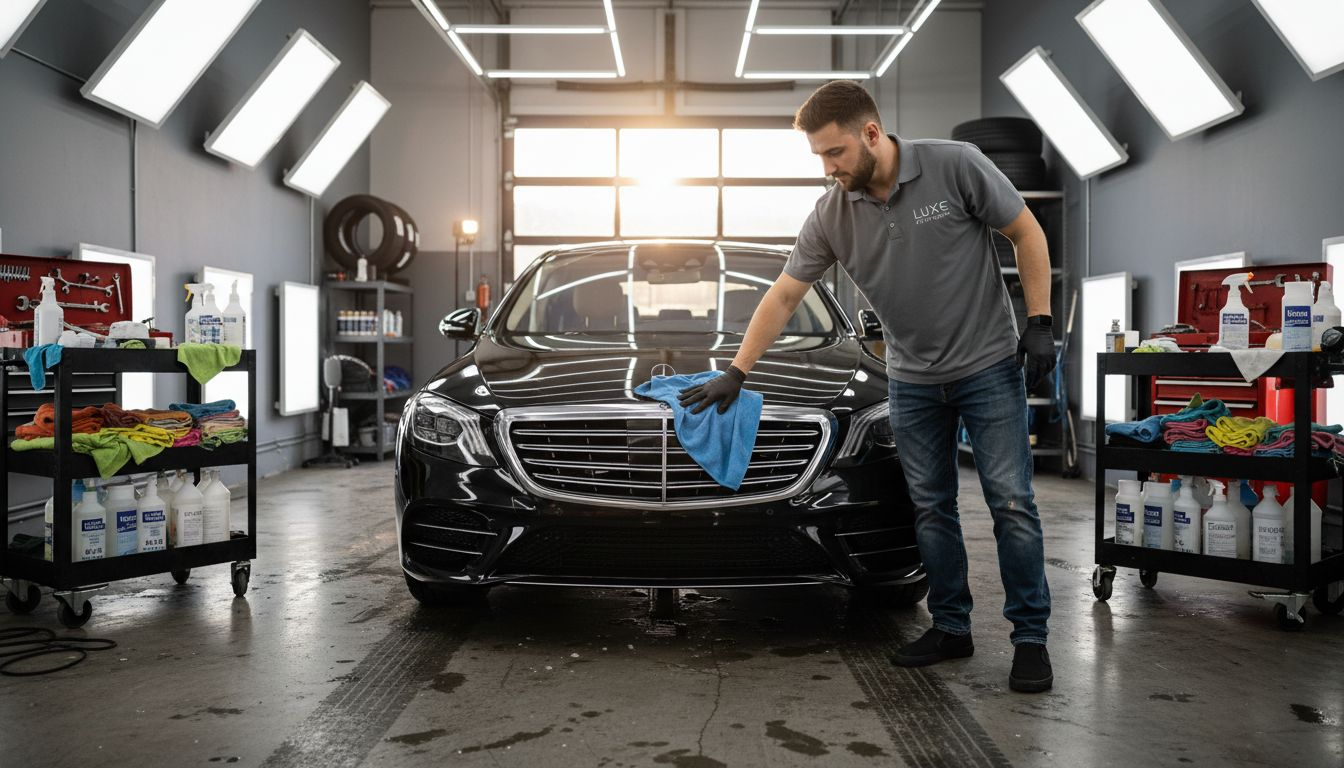
Every discerning vehicle owner in Spokane recognizes that protecting a luxury car’s beauty begins long before the shine and gloss appear. Proper preparation, from a full condition check to creating a spotless, well-lit workspace, forms the backbone of any expert detailing service. A detailed approach not only safeguards your investment but creates the foundation for superior results that turn heads across Eastern Washington. Discover how a methodical start leads to truly remarkable and lasting car protection.
Table of Contents
Quick Summary
Main Insight | Explanation |
1. Thorough Vehicle Preparation | Conduct a detailed assessment of vehicle condition to ensure optimal detailing results. |
2. Proper Washing Technique | Use a two-stage washing method to eliminate surface contaminants effectively. |
3. Effective Paint Correction | Identify and address various types of paint imperfections for a flawless finish. |
4. Advanced Protective Coatings | Apply suitable protective coatings to shield your vehicle from environmental damage. |
5. Diligent Final Inspection | Perform a comprehensive inspection to ensure the detailing quality meets professional standards. |
Step 1: Prepare the Vehicle and Work Area
Preparing your vehicle for a premium detailing service requires careful planning and systematic setup. This crucial initial stage sets the foundation for a thorough and professional protection process, ensuring optimal results and safeguarding your investment.
Start by conducting a comprehensive vehicle condition assessment. This means performing a detailed inspection that goes beyond surface-level examination. Check critical maintenance levels including:
Engine oil levels and quality
Coolant condition and reservoir status
Brake fluid volume and clarity
Tire pressure and overall tire condition
Windshield and window cleanliness
Next, prepare your work environment with precision. Select a clean, well-illuminated workspace that provides ample room for movement and equipment placement. Your detailing area should be:
Protected from direct sunlight
Free from dust and debris
Temperature-controlled (ideally between 60-75 degrees)
Equipped with necessary tools and cleaning supplies
Organized to minimize workflow interruptions
A meticulously prepared vehicle and workspace dramatically increases the effectiveness of your detailing process.
Pro tip: Invest in high-quality microfiber towels and organize them by designated tasks to prevent cross-contamination and maintain professional-grade results.
Step 2: Wash and Decontaminate All Surfaces
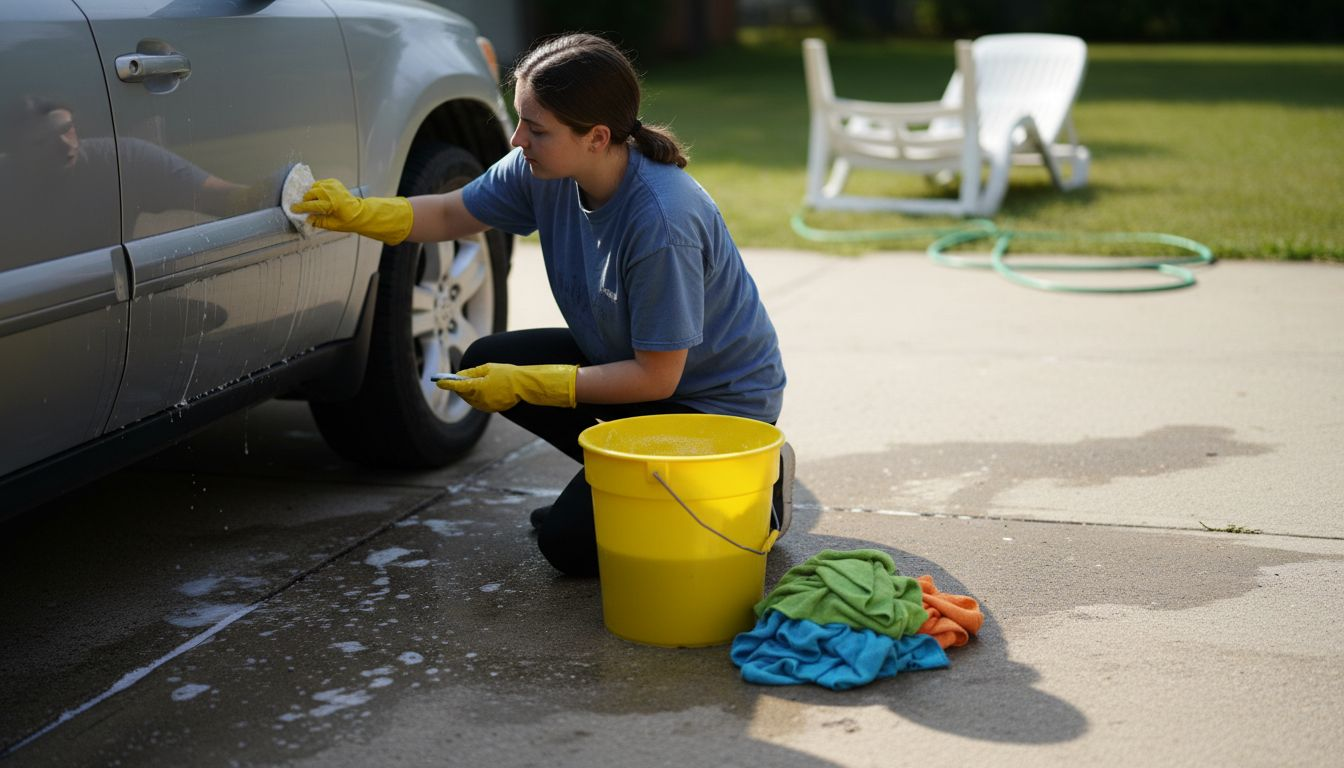
Transforming your vehicle’s appearance begins with a meticulous cleaning and decontamination process that goes far beyond a simple rinse. This critical stage removes embedded dirt, road grime, and microscopic contaminants that can compromise your vehicle’s finish.
Start with a two-stage washing approach designed to systematically eliminate surface contaminants. Begin by understanding surface decontamination principles through a comprehensive cleaning strategy:
Pre-rinse the entire vehicle to remove loose debris
Apply a pH-neutral foam wash for initial dirt removal
Use two-bucket method with grit guards to prevent scratching
Clean from top to bottom using microfiber wash mitts
Rinse thoroughly with clean water
After the initial wash, focus on mechanical and chemical decontamination. This involves:
Clay bar treatment to remove bonded surface contaminants
Iron removal spray to eliminate metal particle buildup
Tar and adhesive remover for stubborn spots
Alcohol wipe-down to prepare surface for protection
Proper decontamination is not just about appearance - it’s about creating a pristine surface for subsequent protection treatments.
Pro tip: Always work in a shaded area and use separate microfiber towels for different stages of cleaning to prevent cross-contamination and maintain surface integrity.
Step 3: Correct Paint Imperfections
Reviving your vehicle’s paintwork demands precision and strategic approach. Paint correction transforms a vehicle’s exterior from dull and damaged to brilliantly smooth and reflective, addressing every microscopic surface irregularity with surgical accuracy.
Begin by carefully identifying surface imperfection types using strong lighting and close inspection. Different imperfections require unique correction techniques:
Swirl marks: Light polishing with medium-cut compound
Light scratches: Fine polishing with finishing polish
Deep scratches: Multi-stage correction requiring progressive abrasive compounds
Chemical etching: Specialized chemical correction techniques
Oxidation: Restoration through compound and polishing sequences
Your correction workflow should follow these systematic steps:
Assess paint depth and imperfection severity
Select appropriate polishing pad and compound combination
Test correction method on small, inconspicuous area
Work in controlled, systematic sections
Inspect results under multiple lighting conditions
Paint correction is an art form that requires patience, precision, and understanding of your vehicle’s unique surface characteristics.
Pro tip: Invest in a professional-grade paint thickness gauge to prevent over-correction and protect your vehicle’s clear coat during the refinishing process.
Step 4: Apply Protective Coatings and Films
Transforming your vehicle’s exterior protection involves strategic application of advanced coating technologies that shield against environmental damage. The goal is creating an invisible armor that preserves your vehicle’s pristine appearance and structural integrity.
Begin by understanding protective coating fundamentals to select the right solution for your specific needs. Protective options include:
Ceramic coatings: Nano-ceramic technology providing long-term surface protection
Paint protection film: Clear urethane layer preventing scratches and rock chips
Hydrophobic sealants: Water-repellent layers enhancing shine and ease of cleaning
Polymer-based coatings: Advanced chemical barriers against environmental contaminants
Hybrid coating systems: Combining multiple protective technologies
Your application workflow should follow these precision steps:
Here’s a quick reference comparing common protective coatings for your vehicle:
Coating Type | Durability | Main Benefit | Typical Application Area |
Ceramic Coating | Up to 5 years | Superior gloss and protection | Paint, wheels, glass |
Paint Protection Film | 5-10 years | Prevents chips and scratches | Hood, bumpers, side mirrors |
Hydrophobic Sealant | 6-12 months | Water repellency | Paint, windows |
Polymer Coating | 1-2 years | Chemical resistance | All exterior surfaces |
Hybrid System | Varies by combination | Multiple benefits combined | Entire vehicle |
Ensure surface is completely clean and free of contaminants
Select appropriate coating based on vehicle usage and environment
Prepare workspace with controlled temperature and minimal dust
Apply coating using microfiber applicators in thin, even layers
Allow proper curing time according to manufacturer specifications
Professional-grade protective coatings create a molecular bond with your vehicle’s surface, offering unprecedented defense against environmental challenges.
Pro tip: Invest in high-quality application tools and work in a controlled environment to maximize coating performance and longevity.
Step 5: Inspect and Finalize the Detailing
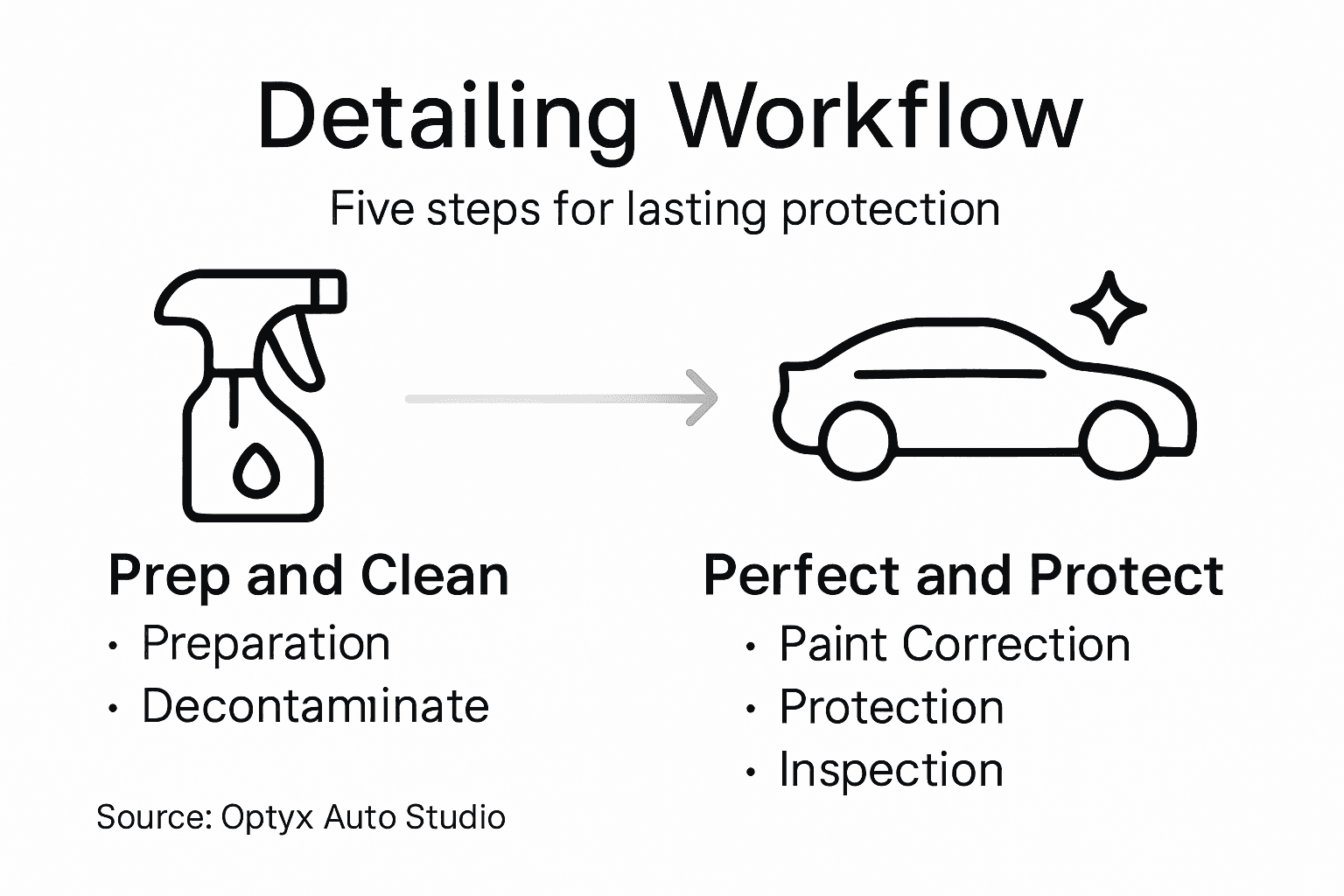
The final stage of premium vehicle detailing transforms meticulous work into a showroom-quality result. Your goal is to conduct a comprehensive visual inspection of completed work that reveals every nuanced improvement and ensures perfection.
Your inspection should systematically evaluate multiple vehicle aspects:
Paint finish: Examining gloss, depth, and uniformity
Surface protection: Verifying even coating application
Edge details: Checking film and coating precision
Glass clarity: Ensuring streak-free transparency
Interior surfaces: Confirming comprehensive cleaning
Implement a strategic inspection workflow:
Assess overall vehicle appearance in natural and artificial light
Check coating thickness and evenness
Verify protection coverage on all exterior surfaces
Test hydrophobic properties of applied coatings
Document final condition with comprehensive photographs
A thorough final inspection separates professional detailing from ordinary car washing.
Pro tip: Use a high-quality LED light and microfiber cloth to reveal subtle imperfections during your final inspection that might be missed under standard lighting conditions.
Below is a summary table outlining tasks and ideal tools for each detailing stage:
Detailing Stage | Key Task | Recommended Tool |
Preparation | Condition assessment | Inspection checklist |
Washing | Two-bucket wash | Grit guard buckets |
Decontamination | Clay bar treatment | Detailing clay |
Paint Correction | Swirl mark removal | Orbital polisher |
Protective Coating | Apply ceramic coating | Microfiber applicator |
Final Inspection | Flawless finish review | High-CRI LED lamp |
Elevate Your Vehicle’s Protection with Expert Detailing Solutions
Achieving lasting protection for your vehicle means addressing every step of the detailing workflow from preparation to final inspection. If you are concerned about paint imperfections, surface contaminants, or the durability of applied coatings you should trust professionals who specialize in precise paint correction and advanced protective coatings like ceramic coatings and paint protection film. These expert treatments create a resilient barrier that preserves your vehicle’s finish while enhancing its appearance.
Discover how Optyx Auto Studio’s premium automotive restyling and protection services can transform your vehicle with over 35 years of experience delivering quality and attention to detail. Whether you need expert paint correction, a flawless ceramic coating application, or custom protection films, our certified installers use top-tier products and precise techniques to ensure the best outcome. Don’t wait to protect your investment and experience automotive detailing at its finest. Visit Optyx Auto Studio and explore our full range of services including ceramic coatings and paint protection film to schedule your upgrade today.
Frequently Asked Questions
What steps are involved in the premium vehicle detailing workflow?
The premium vehicle detailing workflow includes five key steps: preparing the vehicle and work area, washing and decontaminating all surfaces, correcting paint imperfections, applying protective coatings and films, and inspecting and finalizing the detailing. Follow these steps systematically to achieve lasting protection and pristine appearance for your vehicle.
How can I prepare my vehicle for detailing?
To prepare your vehicle for detailing, conduct a comprehensive assessment to check fluid levels, tire condition, and cleanliness. Create a clean and organized work environment that is well-lit and dust-free to enhance the detailing process and protect your vehicle investment.
What is the importance of surface decontamination during detailing?
Surface decontamination is critical because it removes dirt, grime, and microscopic contaminants that can compromise the vehicle’s finish. Use a two-stage washing approach and follow with mechanical and chemical decontamination to create a flawless surface ready for protection treatments.
How do I correct paint imperfections on my vehicle?
Correcting paint imperfections involves identifying the types of imperfections and using appropriate techniques such as polishing or compounding. Assess the paint depth, select the right tools, and work in controlled sections for effective correction results.
What types of protective coatings should I consider for my vehicle?
Consider various types of protective coatings such as ceramic coatings for long-lasting shine, paint protection film for scratch resistance, or hydrophobic sealants to repel water. Choose the coating that best suits your vehicle’s needs and environmental exposure for optimal protection.
How can I ensure a thorough inspection after detailing?
To ensure a thorough inspection after detailing, assess the vehicle’s finish, protection coverage, and glass clarity under different lighting conditions. Document your findings with photographs to maintain a record of the vehicle’s condition and highlight any areas needing further attention.
Recommended


Comments