
6 Types of Paint Protection Film Every Car Owner Should Know

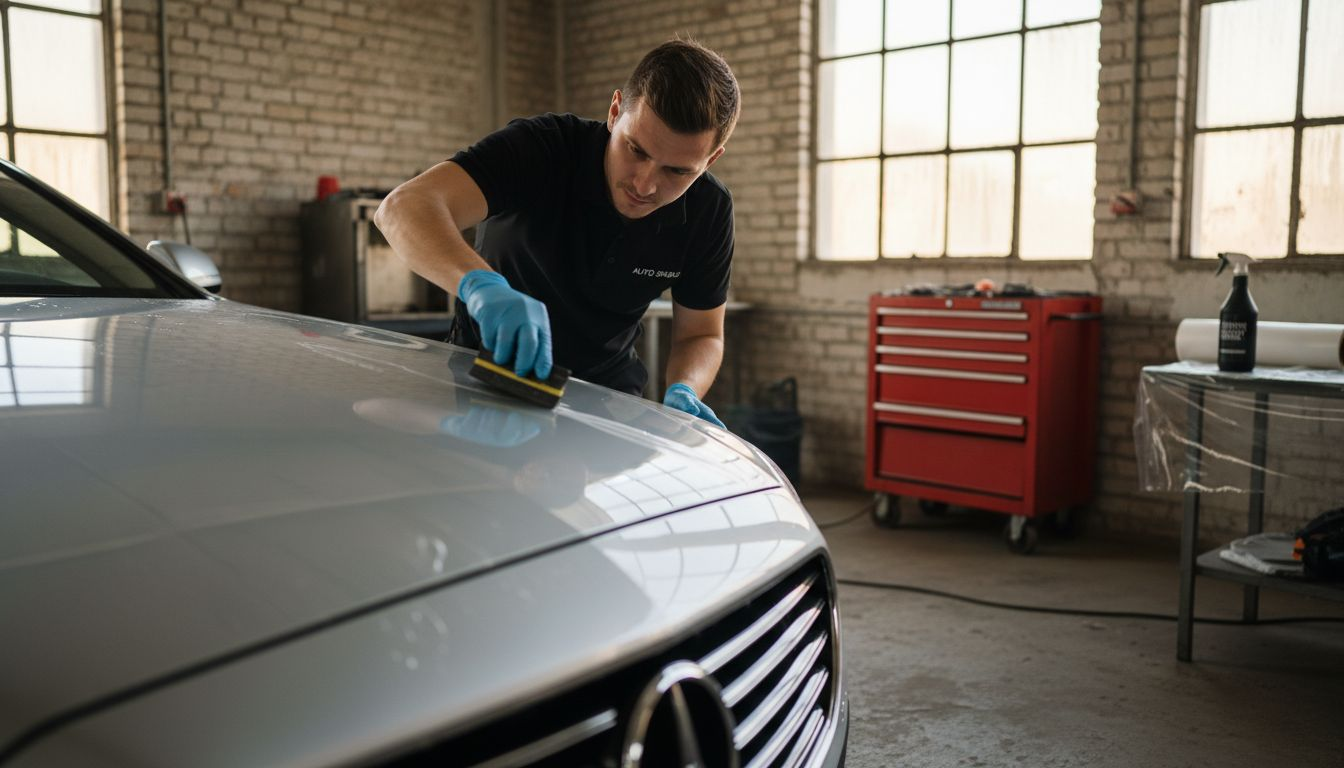
Keeping your luxury vehicle’s paint flawless can feel impossible with harsh weather, road debris, and daily driving hazards constantly working against you. Every new scratch, chip, or stain not only hurts your car’s appearance but can lower its value over time. Finding the right way to protect your investment is no small task, especially with so many options available.
This guide breaks down the most effective types of paint protection film and what sets each apart. Whether you want an invisible shield that guards against damage or a finish that keeps your unique look intact, you’ll get clear answers on what works best for your car and lifestyle. Get ready to discover practical solutions that preserve your paint and simplify your maintenance routine, leaving you with lasting confidence every time you hit the road.
Table of Contents
Quick Summary
Key Message | Explanation |
1. Prioritize High-Impact Areas | Install paint protection film on your hood, fenders, and bumpers first for optimal protection against road damage and better resale value. |
2. Choose the Right Film Type | Select between standard clear, matte, self-healing, or hydrophobic films based on your vehicle’s finish and your protection needs. |
3. Invest in Professional Installation | Use trained professionals for installation to ensure a seamless fit, maximizing film longevity and maintaining aesthetic appeal. |
4. Understand Durability Expectations | Film durability ranges from 5-15 years; choose higher-quality options for longer-lasting protection, especially in harsh climates. |
5. Factor in Maintenance Ease | Hydrophobic films reduce the frequency of washing and make cleaning easier, contributing to a better appearance over time. |
1. 1. Standard Clear Paint Protection Film
Standard clear paint protection film represents the foundational choice for vehicle protection, offering a transparent layer that shields your car’s paint without altering its appearance. This film has become the go-to solution for luxury car owners who want to preserve their vehicle’s finish while maintaining that showroom look.
Clear paint protection film, also called a clear bra or clear paint film, is a thermoplastic urethane film applied directly to painted surfaces. The material was originally developed for military helicopter rotor blades, but the automotive industry quickly recognized its protective potential. Today, it protects against stone chips from highway debris, bug splatters that etch paint, minor abrasions from car washes, and harsh environmental contaminants. Your hood, fenders, and bumpers take the brunt of road damage, making them ideal candidates for this protective layer.
What makes standard clear film particularly appealing is its invisibility. Unlike tinted or colored protective options, clear film preserves your vehicle’s original paint color and finish completely. You get full protection without any visual compromise. The film adheres seamlessly to curves and contours, and when installed by trained professionals, the edges remain virtually undetectable. This means your luxury vehicle maintains its pristine aesthetic while gaining an invisible shield against daily wear and tear.
The application process requires precision and expertise. Approved installers heat and stretch the film to fit your vehicle’s specific contours perfectly. Most car manufacturers approve this type of protection, understanding that it actually preserves resale value by maintaining original paint condition. The film creates a sacrificial barrier that takes damage meant for your paint, then can be removed or replaced without affecting the underlying color.
Durability varies based on film quality and environmental factors in your region. In the Spokane and nearby Idaho areas, where winter weather brings road salt and summer sun intensifies UV exposure, a quality clear film can last between 5 to 10 years before showing signs of yellowing or peeling. Lower quality films may degrade faster, particularly around film edges where moisture infiltration becomes an issue. This is why choosing a reputable installer like Optyx Auto Studio matters significantly to your investment’s longevity.
Cost sits in the moderate range compared to other paint protection options. A standard clear film application on high impact areas typically runs between $500 to $2,000 depending on which surfaces you protect and film quality. Full vehicle coverage costs considerably more but provides comprehensive protection. When you consider how much paint correction costs if damage occurs, the investment in preventative protection becomes economically sensible.
Pro tip: Install standard clear film on your hood, fenders, and front bumper first, these high-impact areas generate the best return on protection investment before expanding coverage to other sections of your vehicle.
2. 2. Matte and Satin Finish Paint Protection Film
If your luxury vehicle sports a matte or satin paint finish, standard glossy protection film would clash dramatically with your aesthetic. Matte and satin finish paint protection films solve this problem by offering protection that matches your vehicle’s existing subdued appearance while maintaining that sophisticated, low-reflective look you chose in the first place.
Unlike clear films that sit transparently over glossy paint, matte and satin protective films feature their own non-reflective surface. These flexible thermoplastic urethane films provide a low-gloss finish that replicates the original matte or satin texture of your vehicle’s paint. This means the film becomes virtually invisible once applied because it mirrors your car’s existing finish rather than adding shine to a matte surface. For owners of vehicles with factory matte finishes or those who invested in custom matte wraps, this matching capability is absolutely essential.
The technology behind matte film relies on polyurethane dispersions that act as matting agents, creating that characteristic low-gloss appearance. These coatings reduce glare and maintain a natural appearance while delivering the same damage protection as standard clear film. Your matte finish protection film remains water-based, solvent-free, and exhibits excellent scratch resistance properties, meaning it protects against stone chips, bug damage, and environmental contaminants just as effectively as its glossy counterpart.
What makes matte and satin films particularly valuable is their ability to preserve the original aesthetic of your vehicle without adding visual compromise. The film doesn’t wash out your paint or make it appear less refined. Instead, it maintains that sleek, understated elegance that made you choose a matte finish in the first place. When applied by skilled professionals who understand how paint protection film installation requires precision, the film edges disappear completely.
Maintenance differs slightly from glossy surfaces. Matte and satin films require gentle care to preserve their texture. You’ll want to avoid harsh abrasive washcloths and instead use microfiber cloths with appropriate cleaning products. The film develops a patina over time that actually enhances its appearance, much like oiled or waxed wood surfaces do. This natural aging adds character rather than detracting from your vehicle’s appearance.
Durability matches that of standard clear films when installed properly. In the Spokane region where winter conditions and UV exposure challenge vehicle finishes, quality matte protection film lasts five to ten years before showing significant signs of wear. The investment typically ranges from $800 to $2,500 depending on coverage area and film quality, slightly higher than clear film options due to the specialized manufacturing process.
The perfect application for matte film includes your hood, fenders, bumper, and door handles where damage occurs most frequently. Some luxury vehicle owners choose complete coverage on their matte finished cars to ensure the entire surface maintains consistent appearance. This creates a fully protected vehicle that looks exactly how it did the day you drove it off the lot.
Pro tip: Choose matte protection film only from installers experienced with this specific product type, as application techniques differ from standard clear film and improper installation can create visible texture inconsistencies.
3. 3. Self-Healing Paint Protection Film
Self-healing paint protection film represents a genuine technological leap forward, offering protection that actually repairs itself when minor damage occurs. This advanced material essentially gives your luxury vehicle a film that bounces back from everyday scratches and swirl marks without requiring replacement or professional repair.
Self-healing films are engineered from thermoplastic urethane with specialized polymer technology that responds to heat exposure. When your film sustains minor scratches, swirl marks, or light abrasions, applying heat activates the material’s autonomous repair capabilities. The film’s molecular structure essentially flows back together, erasing the damage as if it never happened. This mechanism works through advanced materials design where reversible covalent bond systems respond to environmental stimuli and restore material integrity at the microscopic level. Unlike standard protection film that shows damage permanently, self-healing film maintains a flawless appearance throughout its service life.
How does this benefit you practically? Imagine parking your car at the grocery store and a shopping cart taps your bumper. With standard film, you now have a visible scratch. With self-healing film, you park under the sun for twenty minutes or use a heat gun, and the scratch vanishes completely. This capability makes self-healing film incredibly valuable for owners who use their vehicles regularly and encounter typical parking lot hazards, car wash friction, and environmental wear.
The healing process operates at different speeds depending on damage severity. Minor scratches heal within hours of sun exposure in the Spokane area’s bright summer days. Deeper swirl marks might require deliberate heat application with a heat gun to activate the repair process fully. The film continues healing itself repeatedly throughout its lifespan, meaning a scratch that appears today can be gone by tomorrow without any intervention from you.
Durability extends significantly beyond standard films because the self-healing mechanism prevents small damage from expanding into larger problems. Tiny scratches that would eventually allow moisture infiltration and film edge peeling on standard films simply disappear on self-healing variants. This means your protective layer maintains integrity for longer periods, often extending service life by several years compared to non-healing alternatives. In harsh climates like Idaho winters with salt spray and UV exposure, this extended durability translates directly into longer-lasting protection for your vehicle’s original paint.
Cost reflects the advanced technology involved. Self-healing paint protection film typically ranges from $1,200 to $3,500 for partial coverage and $3,000 to $6,000 for complete vehicle protection. While this costs more than standard clear film, the extended lifespan and elimination of visible damage scratches often make the investment worthwhile for luxury car owners who demand pristine appearance and protection working together seamlessly.
The self-healing capability works best on minor damage. Deep gouges or significant impacts still damage the film beyond healing capacity. However, the everyday scratches and minor swirl marks that plague every vehicle get handled automatically. This means you spend less time worrying about your vehicle’s appearance and more time enjoying it.
Pro tip: After any minor scratch appears on your self-healing film, park your vehicle in direct sunlight for at least two hours or use a heat gun at low setting for a few minutes to activate the film’s repair capability and watch the damage disappear.
4. 4. Hydrophobic and Stain-Resistant PPF
Hydrophobic and stain-resistant paint protection film takes defense beyond impact protection, actively repelling water, dirt, oils, and contaminants that would otherwise cling to your vehicle’s surface. If you spend time in areas with harsh weather or frequent rain, this advanced PPF option transforms your maintenance routine and keeps your luxury vehicle looking showroom-fresh with minimal effort.
These specialized films use micro and nanoscale surface structures to dramatically reduce surface energy. Water beads up and rolls off rather than spreading across your paint. Dirt and road grime struggle to bond with the film’s slippery surface, making them easy to rinse away during regular washing. The technology employs materials like silicones and fluoropolymers applied through precision coating methods that create an invisible shield against staining agents. Unlike standard clear film that offers no additional defense against water spotting or mineral deposits, hydrophobic PPF actively prevents these problems from forming in the first place.
The practical benefits become obvious during your first rainfall. Water doesn’t pool on your hood or collect in crevices where it would oxidize your paint. Rainwater simply streams off. Bug splatter, tree sap, bird droppings, and road salt all struggle to adhere to the film’s slippery surface. This means contaminants wash away with gentle water pressure rather than requiring aggressive scrubbing that could damage your vehicle’s finish. In the Spokane and Idaho regions where winter weather brings salt spray and summer brings intense sunshine, this hydrophobic capability represents serious protection against environmental damage.
Stain resistance works by preventing liquids and oils from penetrating or bonding with the film surface. A spilled coffee or soft drink simply beads up and can be wiped away before any residue sets. Bird droppings lose their adhesive properties and rinse off easily. Tree sap doesn’t harden and grip the surface as it normally would. This self-cleaning effect means your vehicle stays cleaner longer and requires less frequent washing to maintain appearance. Less washing also means the film endures fewer mechanical stresses from brushes and cloths, extending its overall lifespan.
Maintenance differences matter significantly when you choose hydrophobic film. Standard PPF requires frequent washing with special care to avoid water spotting. Hydrophobic variants practically clean themselves, leaving your vehicle with that beaded water appearance after rain. You can wash your car less frequently without it showing dirt accumulation. When you do wash it, the process becomes faster and easier because contaminants release more readily from the surface.
Cost runs higher than standard clear film but lower than some self-healing options. Hydrophobic and stain-resistant PPF typically ranges from $1,000 to $2,800 for partial coverage and $2,500 to $5,500 for complete vehicle protection. The investment pays dividends through reduced maintenance time and frequency, plus extended film clarity as staining prevention keeps the film looking new longer.
Durability matches or exceeds standard clear films because the hydrophobic coating actively prevents moisture infiltration and edge degradation caused by water spotting. The film maintains its clarity and appearance longer than uncoated variants, often lasting seven to twelve years depending on environmental exposure and maintenance quality.
Pro tip: Even with hydrophobic PPF, apply a ceramic coating over the film for maximum water beading and stain resistance, creating a synergistic protection system that keeps your vehicle looking pristine with minimal maintenance effort.
5. 5. Colored and Customizable Paint Protection Film
Colored and customizable paint protection film breaks the mold of traditional clear protection, allowing you to transform your vehicle’s appearance while maintaining full protective benefits. This innovative option opens doors for luxury car owners who want to experiment with bold color changes, matte conversions, or unique customization without permanently altering their original paint.
While most paint protection films remain transparent, colored and customizable variants introduce pigmented options that change how your vehicle looks. These films come in various tints, finishes, and can even incorporate patterns or graphics directly into the protective layer. You can apply a colored film over your original paint to create an entirely new aesthetic without any permanent modification. Want to see what your car would look like in a different color before committing? Colored PPF lets you test drive the concept. Prefer a matte finish on your glossy paint? A matte tinted film achieves this while protecting your underlying finish.
The protection quality remains identical to clear film variants. Your vehicle gains the same defense against stone chips, environmental damage, and UV exposure that makes PPF valuable in the first place. The film still consists of thermoplastic urethane with impact resistance and durability properties. The only difference is the addition of pigments and colorants that manufacturers incorporate according to standardized testing and specifications for protective coatings, ensuring consistent quality and performance across batches.
Practical applications expand dramatically with colored options. Perhaps you own a luxury vehicle in a conservative color but dream of something bolder. A charcoal or gunmetal tinted film transforms your appearance while keeping your original paint pristine underneath. When you eventually want to return to the original color, simply remove the film. Custom graphic patterns let you add racing stripes, geometric designs, or brand logos without permanent paint modifications. Some enthusiasts use colored PPF to create custom hood designs or accent stripes that complement their vehicle’s lines perfectly.
Color options continue expanding as the technology advances. Manufacturers now produce films in metallics, pearls, matte blacks, gunmetals, and numerous other custom colors. You can match your vehicle’s existing trim or create an entirely new visual identity. The films work particularly well on vehicles with multiple colored sections, allowing you to coordinate protection with your specific aesthetic vision. In the luxury car market where individuality matters, this customization capability sets colored PPF apart from standard clear options.
Cost reflects the added customization complexity. Colored and customizable PPF typically ranges from $1,400 to $3,500 for partial coverage and $3,500 to $7,000 for complete vehicle protection. The investment varies significantly based on color complexity and custom graphic work. Simple colored films cost less than those featuring intricate patterns or multiple colors. However, when you consider that this cost includes both complete paint protection and a cosmetic transformation without permanent modification, many luxury car owners find the value compelling.
Durability matches standard clear film when applied by experienced professionals. Colors remain vibrant and consistent throughout the film’s lifespan. Matte finishes maintain their subdued appearance without developing unwanted gloss. The films age gracefully and can be removed if you decide to change your vehicle’s look again. This flexibility makes colored PPF perfect for owners who love customization but want reversible options.
Optyx Auto Studio specializes in custom styling options including matte conversions and headlight tinting, making them an ideal partner for exploring colored PPF possibilities. Their certified installers understand how color choices complement your vehicle’s design and can recommend options that enhance your car’s aesthetic while providing complete protection.
Pro tip: Order sample film pieces in your chosen color before committing to full application, allowing you to see how the color appears on your specific vehicle under various lighting conditions and determine if it matches your vision perfectly.
6. 6. Ceramic-Infused Paint Protection Film
Ceramic-infused paint protection film represents the pinnacle of PPF technology, combining the impact resistance of thermoplastic urethane with the hardness and durability of ceramic materials. This premium option delivers uncompromising protection for luxury vehicle owners who demand the absolute best performance and longevity from their investment.
Ceramic-infused coatings work by blending polymeric matrices with ceramic materials to create a hybrid protection system. The ceramic elements introduce exceptional hardness that dramatically improves scratch resistance while the polymer foundation maintains flexibility and optical clarity. This combination achieves something standard films cannot deliver completely alone. Where standard PPF focuses primarily on impact and chemical resistance, ceramic infusion adds a layer of surface hardness that resists fine scratches, swirl marks, and light abrasions that would otherwise mark unprotected film. The ceramic component also reduces the film’s susceptibility to UV damage and chemical degradation, meaning your protected paint maintains perfect appearance for significantly longer.
The technology works because ceramics provide wear resistance that prevents the film from developing the fine scratches that plague standard clear films over time. Your vehicle might sit perfectly protected against major damage, but minor parking lot dings, car wash friction, or tree branches brushing against your hood could create visible scratches on standard film. Ceramic-infused film shrugs off these everyday hazards. Advanced paint protection films with ceramic elements improve scratch resistance, chemical resistance, and longevity of protection while maintaining the optical clarity and hydrophobic properties that make PPF valuable. You get impact protection, chemical protection, scratch protection, and water repellency all functioning together.
Practically speaking, ceramic-infused film transforms your maintenance experience. Your vehicle spends less time looking scratched or marked up between professional detailings. The film develops a harder patina that actually improves appearance over time rather than degrading it. In the harsh Spokane and Idaho climate where UV exposure intensifies during long summer days and road salt challenges coatings during winter, this added ceramic hardness provides measurable protection that extends far beyond standard options.
The top benefits of ceramic coatings include exceptional durability and protection that translates directly to ceramic-infused PPF applications. These advanced formulations maintain optical transparency while introducing hardness properties that standard films simply cannot match. Your vehicle retains its flawless appearance through years of use and environmental exposure.
Durability becomes genuinely impressive with ceramic-infused film. While standard clear film lasts five to ten years depending on conditions, ceramic-infused variants often provide twelve to fifteen years of protection before showing significant degradation. The ceramic elements prevent the yellowing and haziness that eventually affects standard films. In harsh climates, this extended lifespan translates directly into cost savings when you calculate the investment spread across the years of protection received.
Cost reflects the advanced technology and superior performance. Ceramic-infused paint protection film typically ranges from $2,000 to $4,500 for partial coverage and $5,000 to $9,000 for complete vehicle protection. This represents the premium end of the PPF market but delivers proportional performance advantages. For luxury vehicle owners who want maximum protection, longest-lasting results, and minimal future maintenance, ceramic-infused film justifies the investment through years of flawless appearance and superior durability.
Application requires specialized expertise because ceramic-infused films demand precise installation techniques to maximize the ceramic layer benefits. Working with certified professionals experienced in premium PPF installations becomes absolutely essential. The film’s superior hardness also means edges need proper sealing to prevent any moisture infiltration that could compromise the ceramic coating’s integrity.
Pro tip: Combine ceramic-infused PPF with a professional ceramic coating application over the film’s surface to create an absolutely unbeatable protection system that maximizes hardness, hydrophobic performance, and longevity for your luxury vehicle.
Below is a comprehensive table summarizing the paint protection film types discussed in the article, their unique features, and their practical applications.
Film Type | Features | Applications |
Standard Clear Paint Protection Film | Transparent and preserves original paint finish. Protects against stone chips, abrasions, and environmental contaminants. | Hood, fenders, bumpers, and other high-impact areas. |
Matte and Satin Finish Paint Protection Film | Maintains matte or satin appearance while offering PPF benefits. Protects against UV exposure and scratches. | Vehicles with factory or custom matte finishes for aesthetic preservation. |
Self-Healing Paint Protection Film | Repairs minor scratches and abrasions using heat activation. Maintains a flawless look over time. | Regularly used vehicles in environmental conditions prone to minor damage. |
Hydrophobic and Stain-Resistant PPF | Actively repels water and dirt, preventing stains and reducing maintenance efforts. | Areas with frequent rain or challenging cleaning conditions. |
Colored and Customizable PPF | Introduces color or unique patterns without permanent changes to the original paint. | Customizing vehicle appearance while enhancing protection. |
Ceramic-Infused Paint Protection Film | Combines durability of ceramic materials with urethane flexibility. Provides exceptional scratch resistance and longevity. | Luxury vehicles requiring maximum longevity and minimal maintenance. |
Elevate Your Vehicle Protection with Expert Paint Protection Film Solutions
Understanding the different types of paint protection film is the first step toward preserving and enhancing your vehicle’s appearance against everyday hazards like stone chips, UV exposure, and scratches. Whether you need the invisible shield of a Standard Clear Paint Protection Film, the sophisticated look of Matte and Satin Finish PPF, or the cutting-edge technology of Self-Healing and Ceramic-Infused Films, Optyx Auto Studio has the perfect solution crafted for your unique needs. Our expert team recognizes the challenge car owners face in balancing aesthetics, durability, and maintenance, especially in climates like Spokane and Idaho. We specialize in delivering flawless, precision installations that minimize visible edges and maximize long-lasting protection.
Ready to take your vehicle protection to the next level with trusted professionals who understand every nuance of premium paint protection films Get started today by exploring our paint protection film services at Optyx Auto Studio. Don’t wait until minor scratches or environmental damage diminish your vehicle’s value and beauty Schedule your consultation now and experience the confidence of expertly applied, state-of-the-art film protection designed to keep your luxury car looking pristine for years to come.
Frequently Asked Questions
What is paint protection film and why should I use it?
Paint protection film (PPF) is a transparent layer applied to your vehicle’s paint to protect it from scratches, chips, and environmental damage. Consider applying PPF to high-impact areas like your hood and bumpers to maintain your vehicle’s appearance and value.
How long does paint protection film typically last?
The durability of paint protection film varies by type, usually lasting between 5 to 15 years depending on weather conditions and film quality. Choose a reputable installer to ensure optimal longevity and professional application quality.
Can paint protection film be removed, and how is it done?
Yes, paint protection film can be safely removed without damaging the underlying paint. Engage a professional installer to use proper techniques and tools to ensure that the removal process is smooth and leaves no residue behind.
How often should I clean and maintain paint protection film?
You should clean paint protection film regularly, ideally every few weeks, to preserve its clarity and effectiveness. Use gentle cleaning solutions and microfiber cloths to avoid scratching the film’s surface.
Is self-healing paint protection film worth the investment?
Self-healing paint protection film is exceptionally beneficial as it repairs minor scratches and abrasions on its own, maintaining a flawless look. If you frequently encounter minor damages from everyday use, this type of film can save you time and money on repairs in the long run.
Can I apply paint protection film over a repainted surface?
Yes, paint protection film can be applied over repainted surfaces, provided the paint is fully cured and in good condition. Ensure that a professional assesses the surface to confirm it is suitable for PPF application to avoid future complications.
Recommended


Comments