
UV Protection for Vehicles: Preserve Appearance, Value

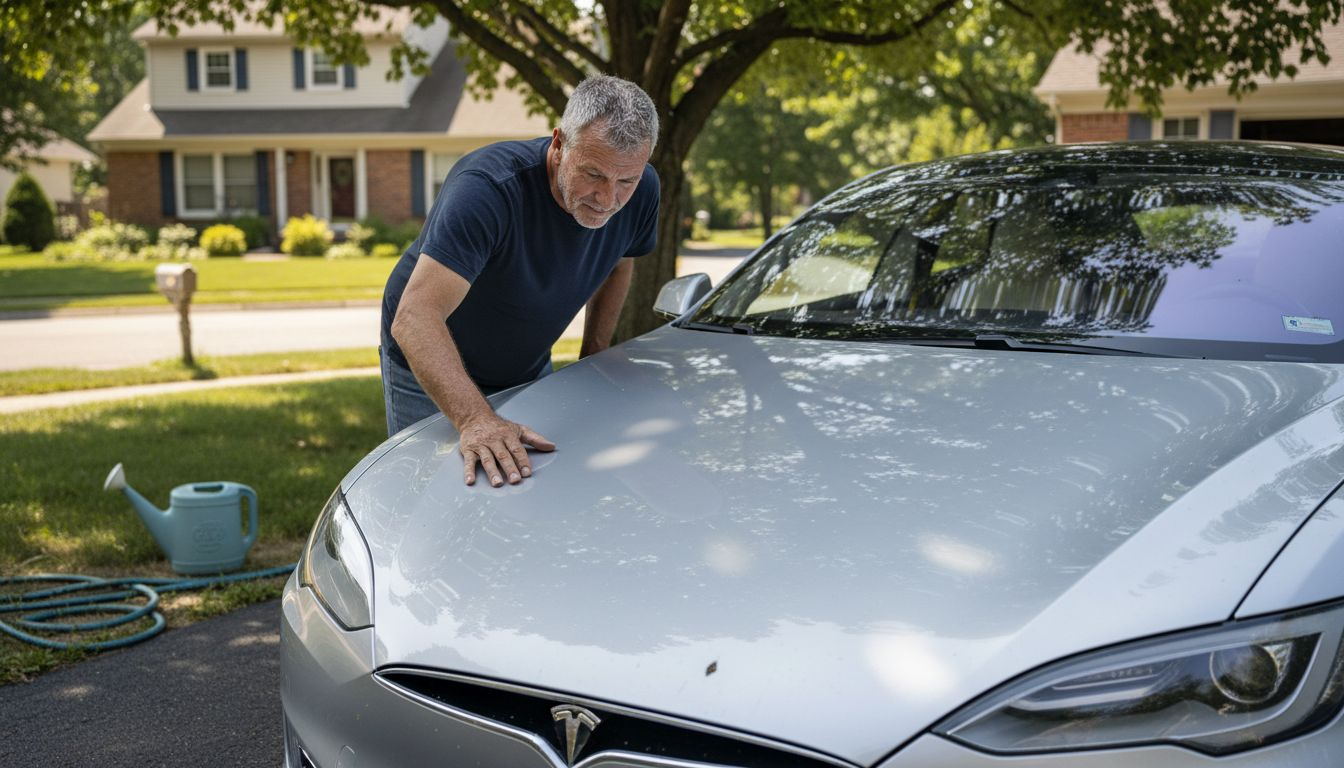
Spokane summers and Idaho sunshine can do more than just brighten your drives. Luxury car owners know that relentless ultraviolet rays can quickly fade paint, damage trim, and tarnish a prized vehicle’s beauty. Choosing advanced UV protection for vehicles is the smart way to guard your investment and enjoy a flawless exterior year-round. This guide explains why and how expert UV solutions shield your car, keeping it pristine while complementing its stunning look.
Table of Contents
Key Takeaways
Point | Details |
Understanding UV Damage | Ultraviolet radiation can significantly harm vehicle exteriors, leading to fading, oxidation, and deterioration of materials. |
Importance of Professional Protection | Professional UV protection installation ensures optimal coverage and long-lasting effectiveness, enhancing the vehicle’s aesthetic and structural integrity. |
Variety of Protection Solutions | Different UV protection technologies, such as ceramic coatings and paint protection films, offer unique benefits tailored to various vehicle needs. |
Regular Maintenance Required | To maintain protective efficacy, regular inspections and reapplications of UV protection treatments are necessary. |
What Is UV Protection for Vehicles
Ultraviolet (UV) radiation represents a significant threat to vehicle exteriors, causing progressive damage that can dramatically reduce a car’s aesthetic appeal and market value. Understanding UV protection becomes critical for vehicle owners seeking to preserve their investment’s appearance and longevity.
UV rays consist of three primary wavelengths - UVA, UVB, and UVC - with UVA and UVB penetrating the Earth’s atmosphere and directly impacting vehicle surfaces. These invisible rays cause multiple types of damage, including:
Paint color fading and discoloration
Clear coat degradation
Plastic and rubber component breakdown
Interior upholstery deterioration
Accelerated surface oxidation
The science behind UV damage is straightforward: electromagnetic radiation breaks down molecular bonds in automotive materials, causing gradual but persistent structural changes. Ultraviolet radiation mechanisms systematically weaken surface integrity, making protective strategies essential for maintaining a vehicle’s pristine condition.
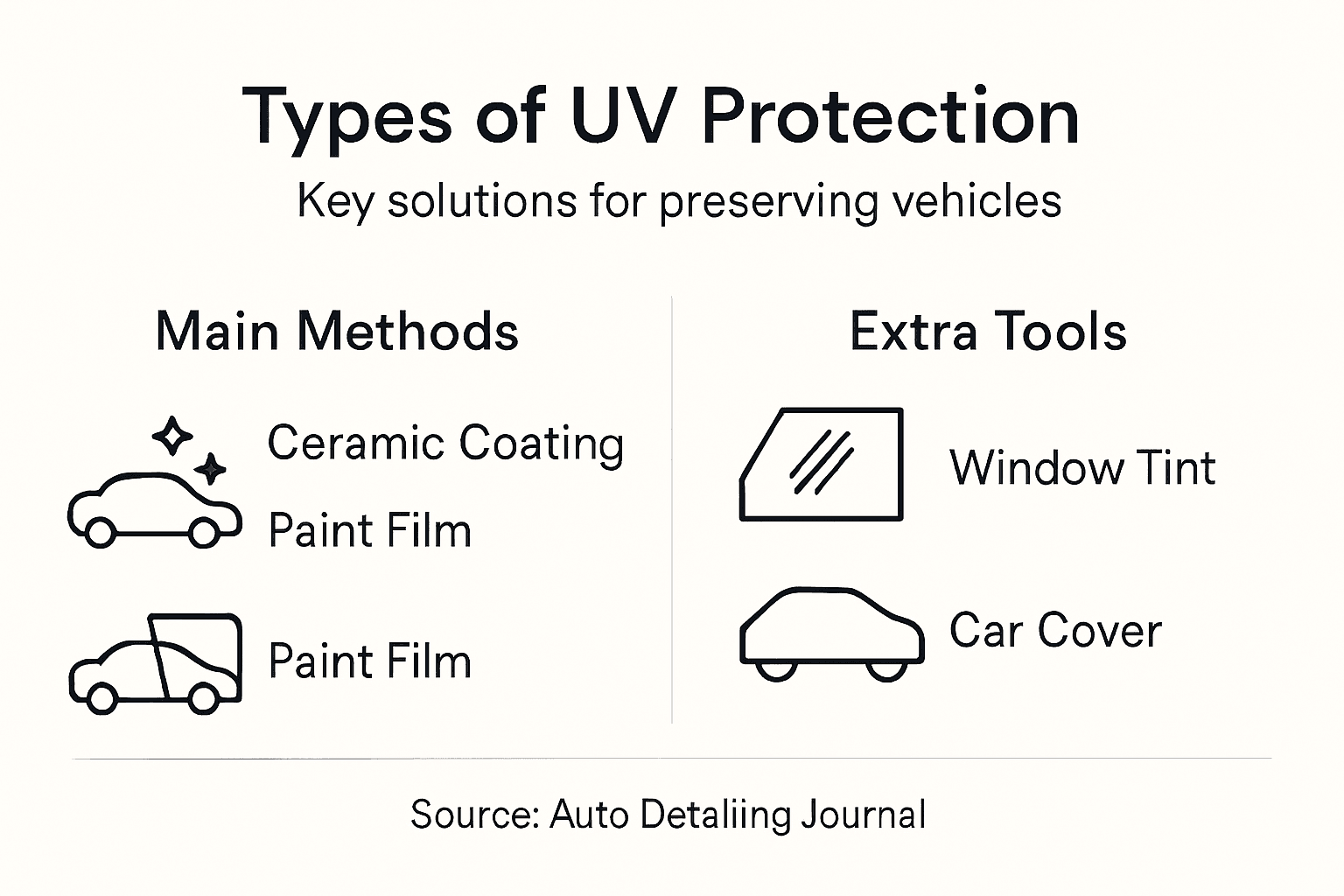
Professional UV protection involves specialized treatments and materials designed to create a barrier between harmful solar radiation and vulnerable vehicle surfaces. These solutions range from ceramic coatings and paint protection films to advanced window tinting technologies that block significant portions of incoming UV wavelengths.
Vehicle Surface Vulnerability
Different automotive materials respond uniquely to UV exposure:
Paint layers degrade fastest, showing initial signs through color shifts
Plastic trim components become brittle and discolored
Leather and fabric interiors fade and lose structural resilience
Rubber seals and gaskets experience accelerated deterioration
Pro tip: Park in covered areas or use car covers when possible to minimize direct sunlight exposure and reduce UV damage potential.
Types of Automotive UV Protection Solutions
Automotive UV protection technologies have evolved dramatically, offering vehicle owners multiple sophisticated solutions to shield their investments from harmful solar radiation. Advanced UV coating technologies provide comprehensive strategies for preserving vehicle aesthetics and structural integrity.
The primary types of automotive UV protection solutions include:
Ceramic Coatings: Nano-ceramic layers that create an ultra-thin, transparent protective shield
Paint Protection Films (PPF): Clear polyurethane films applied directly to vehicle surfaces
Window Tinting: Specialized films blocking UV radiation from penetrating glass surfaces
Clear Coat Treatments: Advanced chemical treatments enhancing existing paint layer resistance
Specialized UV-Resistant Paints: Factory-applied coatings with enhanced molecular structures
Modern UV protection technologies focus on creating multi-layered defense mechanisms that not only block radiation but also enhance overall surface durability. Professional-grade solutions typically combine multiple protective strategies to maximize vehicle surface preservation.
Here’s how popular automotive UV protection methods compare:
Solution Type | Durability (Years) | Visual Impact | Maintenance Needs |
Ceramic Coating | 2–5 | Nearly invisible | Occasional reapplication |
Paint Protection Film | 5–10 | Slight sheen possible | Minimal, inspect annually |
Window Tinting | 5–8 | Darkened glass effect | May require replacement |
Clear Coat Treatment | 1–3 | No visible change | Frequent touch-ups needed |
UV-Resistant Paint | 5–7 | Factory color retained | None beyond normal washing |
Key Characteristics of Effective UV Protection
Top-tier automotive UV protection solutions share several critical characteristics:
High UV wavelength blocking capacity
Minimal visual interference with original surface appearance
Long-lasting molecular stability
Resistance to environmental degradation
Compatibility with existing vehicle finishes
Emerging Technologies
Cutting-edge UV protection solutions are developing rapidly, incorporating innovative materials like self-healing polymers and adaptive nano-coatings that can dynamically adjust their protective properties based on environmental conditions.
Professional-grade UV protection goes beyond simple surface coverage - it represents a comprehensive approach to vehicle preservation.
Pro tip: Consult professional detailing experts to determine the most appropriate UV protection strategy for your specific vehicle make, model, and typical environmental exposure.
How UV Protection Works for Cars
Understanding the intricate mechanics of UV protection requires a deep dive into molecular-level interactions between radiation and vehicle surfaces. UV protection mechanisms operate through two primary defensive strategies: reflection and absorption of harmful ultraviolet radiation.
The core principles of automotive UV protection involve multiple defensive layers:
Physical Blocking: Reflective particles that redirect UV rays away from surfaces
Chemical Absorption: Molecular structures that capture and neutralize UV radiation
Molecular Transformation: Converting UV energy into harmless heat
Barrier Formation: Creating impenetrable shields against radiation penetration
Structural Reinforcement: Preventing molecular breakdown in vehicle materials
Vehicle surfaces experience UV damage through photochemical reactions that progressively break down molecular bonds. Professional UV protection solutions interrupt these destructive processes by implementing sophisticated molecular defense mechanisms that either block or neutralize incoming radiation before it can cause structural degradation.
Molecular Defense Mechanisms
Effective UV protection for vehicles operates through several sophisticated processes:
Creating microscopic reflective barriers
Transforming UV radiation into thermal energy
Preventing photochemical reactions
Maintaining material structural integrity
Minimizing molecular bond disruption
Successful UV protection is not about complete elimination, but strategic radiation management at the molecular level.
Modern UV protection technologies have evolved to provide dynamic, adaptive protection that responds to changing environmental conditions. These advanced systems use nano-engineered materials that can dynamically adjust their protective capabilities based on UV intensity and exposure duration.
Pro tip: Regularly inspect and reapply UV protection treatments, as their effectiveness diminishes over time with environmental exposure.
Benefits of Professional UV Protection Installation
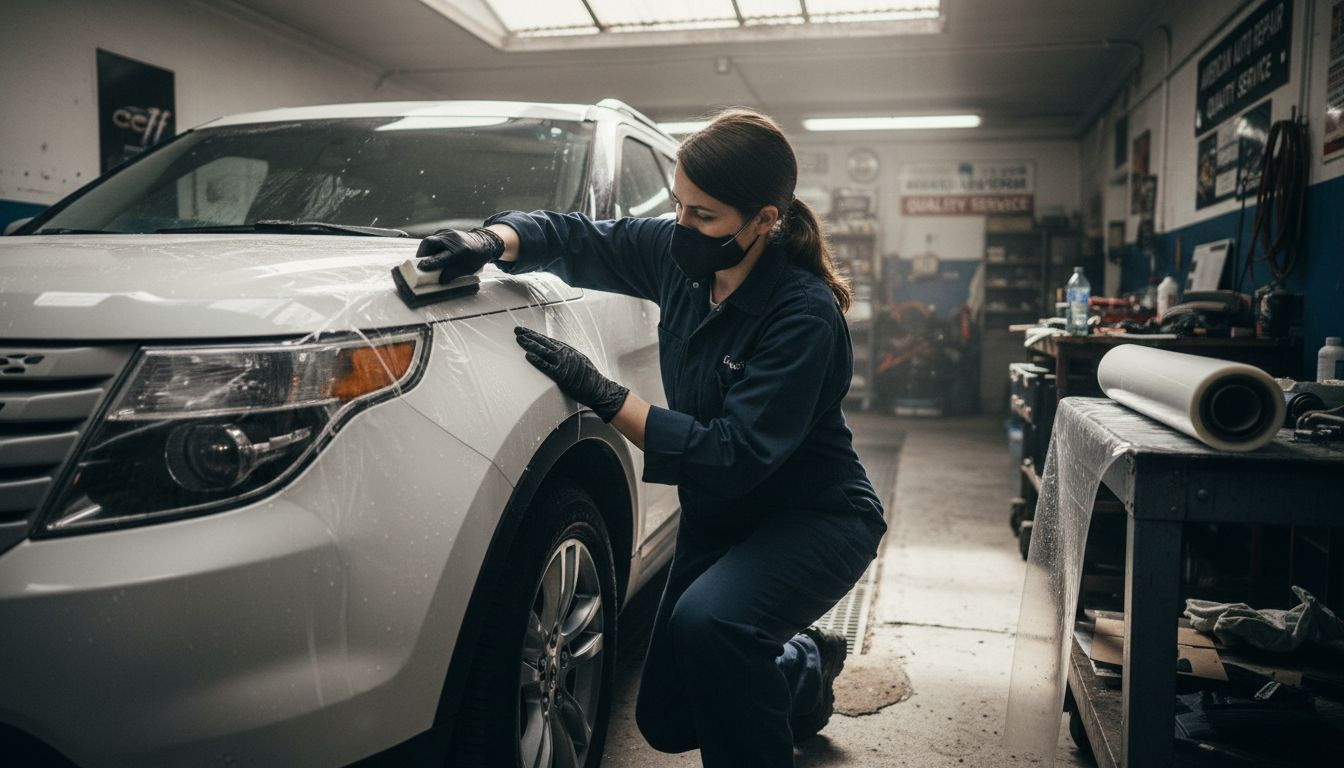
Vehicle owners seeking comprehensive protection must understand the critical advantages of professional UV protection installation. Professional UV film application ensures precision, effectiveness, and long-lasting defense against solar radiation that amateur applications simply cannot match.
The primary benefits of professional UV protection installation include:
Precision Application: Expert technicians guarantee seamless, bubble-free coverage
Customized Protection: Tailored solutions matching specific vehicle specifications
Advanced Material Selection: Access to high-grade, professionally vetted protective materials
Comprehensive Surface Coverage: Ensuring complete protection without vulnerable gaps
Warranty and Quality Assurance: Professional installations typically include extended protection guarantees
Professional installation transcends mere surface treatment. Skilled technicians understand the nuanced interactions between UV protective materials and different vehicle surfaces, ensuring optimal molecular bonding and long-term durability. This expertise prevents common DIY mistakes like uneven application, air bubbles, and premature material degradation.
This table summarizes added benefits you get with professional UV protection installation versus DIY:
Aspect | Professional Installation | DIY Application |
Warranty Coverage | Often included | Rarely available |
Appearance | Flawless, even finish | Potential for imperfections |
Longevity | Optimized for longer life | May degrade more rapidly |
Material Options | Access to advanced products | Limited to retail options |
Resale Value Impact | Helps preserve resale value | May not maximize protection |
Installation Precision Factors
Successful professional UV protection depends on several critical factors:
Precise surface preparation
Molecular-level material compatibility
Advanced application techniques
Environmental condition management
Post-installation quality verification
Professional UV protection is an investment in your vehicle’s long-term aesthetic and structural integrity.
Modern UV protection technologies have transformed from simple surface treatments to sophisticated, adaptive systems. Professional installers now utilize nano-engineered materials and computer-assisted application techniques that provide unprecedented levels of protection and precision.
Pro tip: Request detailed documentation of the UV protection materials and application process during professional installation to understand the full scope of protection.
Potential Costs and Common Installation Mistakes
Vehicle owners must carefully consider both financial investment and potential pitfalls when pursuing UV protection solutions. Automotive UV protection installation involves complex cost considerations and technical challenges that can significantly impact long-term protection effectiveness.
The primary cost components of UV protection installation include:
Material Expenses: Professional-grade UV films and coatings
Labor Costs: Skilled technician time and expertise
Preparation Expenses: Surface cleaning and preparation materials
Equipment Overhead: Specialized application tools and technologies
Warranty and Maintenance: Extended protection packages
Common installation mistakes can dramatically undermine the entire UV protection investment. These critical errors often stem from insufficient technical expertise or rushed application processes, leading to compromised protective capabilities and potential vehicle surface damage.
Critical Installation Errors to Avoid
Most frequent UV protection installation mistakes include:
Inadequate surface preparation
Incorrect film or coating alignment
Trapped air bubbles during application
Poor adhesive curing techniques
Inconsistent material coverage
Professional installation prevents costly mistakes that can render UV protection ineffective or aesthetically unacceptable.
Cost variations depend on multiple factors, including vehicle size, chosen protection technology, and specific surface requirements. High-end luxury vehicles might require more complex and expensive UV protection solutions compared to standard models.
Pro tip: Request detailed written quotes that break down material, labor, and warranty costs to understand the full financial commitment of professional UV protection installation.
Protect Your Vehicle from UV Damage with Expert Solutions
The damaging effects of UV rays are one of the biggest challenges vehicle owners face when trying to preserve their car’s appearance and value. Fading paint, brittle plastics, and interior fading can all undermine your investment. At Optyx Auto Studio, we understand the molecular defense mechanisms required to effectively block and absorb harmful UV radiation. Our range of professional-grade services including ceramic coatings, paint protection film, and ceramic window tinting are designed to provide long-lasting UV protection while maintaining your vehicle’s pristine look.
Take control of UV damage today by trusting certified installers who use top-tier products and precise application techniques that minimize visible film edges. Visit Optyx Auto Studio to discover how our premium automotive restyling and protection services can help you preserve your vehicle’s value and beauty. Learn more about detailed ceramic coatings and reliable paint protection film solutions to find the perfect protection for your vehicle. Act now and secure your car against the relentless effects of UV exposure with Optyx Auto Studio’s elite service experience.
Frequently Asked Questions
How does UV protection work for vehicles?
UV protection works by using a combination of reflective particles, chemical absorption, and barrier formation to block or neutralize harmful ultraviolet radiation, preventing it from damaging vehicle surfaces.
What are the different types of automotive UV protection solutions?
The primary types of automotive UV protection solutions include ceramic coatings, paint protection films (PPF), window tinting, clear coat treatments, and specialized UV-resistant paints.
How often should UV protection treatments be reapplied?
UV protection treatments should be regularly inspected and reapplied as their effectiveness diminishes over time due to environmental exposure, typically every 1 to 5 years depending on the type of treatment used.
What are the benefits of professional UV protection installation?
Professional UV protection installation offers benefits such as precision application, customized protection, access to advanced materials, comprehensive surface coverage, and typically includes warranties for added assurance.
Recommended


Comments