
What Is Headlight Tinting and Why Quality Matters
- optyxautostudio
- Feb 7
- 7 min read

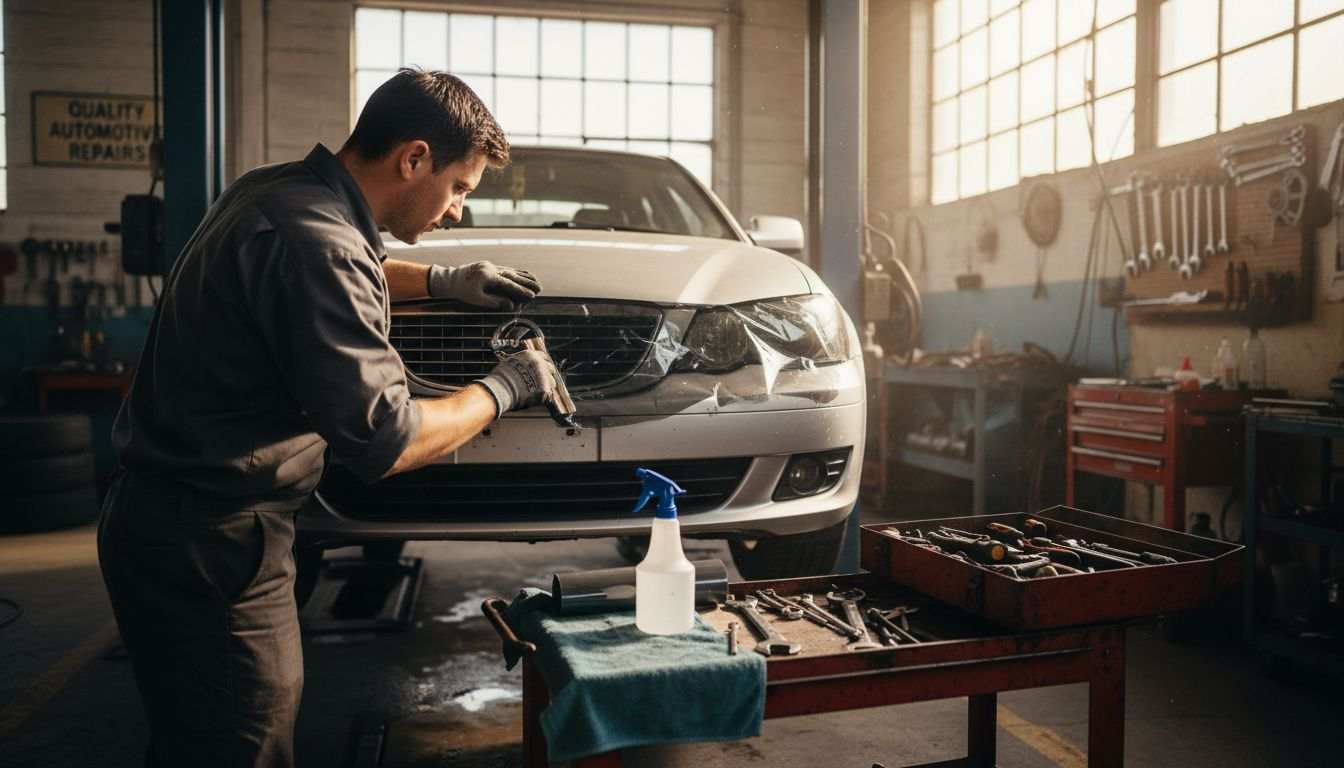
Sleek styling and standout road presence mean more to Spokane and Idaho luxury drivers than just curb appeal. Headlight tinting offers more than a bold custom look—it brings proven protection and enhanced nighttime visibility, key for safe highway drives and unpredictable weather. Professional installers use advanced films that shield against UV damage and glare, balancing personal style with performance and safety. Discover why the right headlight tint transforms both your vehicle’s appearance and your peace of mind.
Table of Contents
Key Takeaways
Point | Details |
Professional Installation is Crucial | Opt for certified professionals to ensure the proper application of headlight tinting for safety and performance. |
Regulatory Compliance is Key | Always verify local regulations regarding visible light transmission limits to avoid legal issues. |
Select the Right Film Type | Choose professional-grade films that balance aesthetics and essential performance factors for optimal results. |
Maintenance Enhances Longevity | Regular professional inspections and proper care will extend the life and performance of the headlight tinting. |
Headlight Tinting Defined and Debunking Myths
Headlight tinting is a specialized automotive customization process that involves applying a translucent film to vehicle headlights, modifying their appearance and performance. Unlike traditional window tinting, headlight tinting requires precision and expert technique to maintain optimal visibility while achieving a desired aesthetic enhancement.
The primary purposes of professional headlight tinting include:
Reducing glare and harsh light reflection
Protecting headlight surfaces from UV damage
Creating a sleek, customized vehicle appearance
Minimizing potential yellowing and oxidation of headlight lenses
Contrary to popular misconceptions, high-quality headlight tinting does not significantly reduce nighttime visibility when properly applied. Headlight performance directly impacts road safety, with proper illumination critical for preventing accidents. Professional installers use specialized films that maintain transparency while providing protective benefits.
Many vehicle owners mistakenly believe that darker tints automatically improve headlight performance or aesthetics. However, excessive tinting can compromise safety and potentially violate local vehicle regulations. Professional-grade tinting strikes a delicate balance between visual enhancement and functional performance.
Pro tip: Always consult certified automotive styling professionals who understand local regulations and can recommend tinting solutions tailored to your specific vehicle model and aesthetic goals.
Types of Headlight Tint Films and Finishes
Headlight tint films come in various compositions, each offering unique performance characteristics and aesthetic options for vehicle owners. Window film technologies have evolved significantly to provide specialized protection and customization for automotive lighting systems.
The primary types of headlight tint films include:
Vinyl Films: Flexible and affordable option with basic UV protection
Polyurethane Films: Highly durable with superior scratch resistance
Ceramic-Infused Films: Advanced technology offering maximum heat rejection and optical clarity
Carbon-Based Films: Provides matte finish with excellent UV blocking capabilities
Professional-grade headlight tint films are engineered to balance aesthetic enhancement with critical performance metrics. Different film types offer varying levels of:
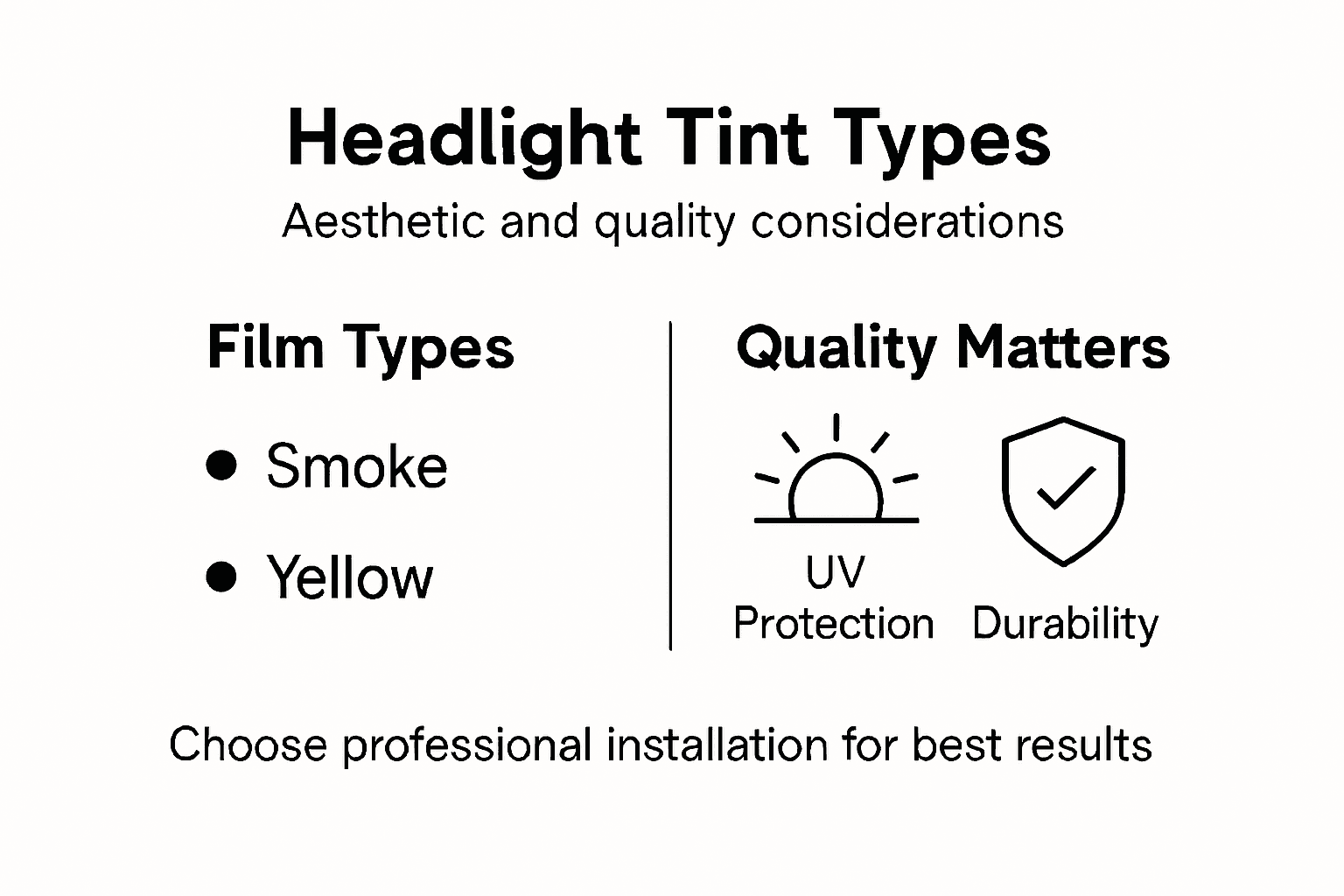
Here’s a quick comparison of headlight tint film types and their performance attributes:
Film Type | Durability | Optical Clarity | Heat Rejection | Typical Cost Range |
Vinyl | Moderate | Standard | Basic | $100-$300 |
Polyurethane | High | Good | Moderate | $200-$400 |
Ceramic-Infused | Very High | Excellent | Maximum | $300-$600 |
Carbon-Based | High | Matte Finish | Strong | $250-$500 |
Light transmission percentages
UV protection capabilities
Heat rejection efficiency
Durability and longevity
Precision matters significantly in headlight tinting. Improperly applied films can create bubbles, reduce visibility, or compromise the structural integrity of the headlight lens. Professional installers use specialized techniques to ensure seamless application that maintains optical performance while achieving the desired visual effect.
Headlight tint film selection should prioritize safety, visibility, and regulatory compliance over pure aesthetic preferences.
Pro tip: Always select headlight tint films from reputable manufacturers and have them professionally installed to ensure optimal performance and legal compliance.
Benefits for Vehicle Appearance and Protection
Headlight tinting offers a sophisticated approach to enhancing both the aesthetic appeal and protective capabilities of automotive lighting systems. Better headlight maintenance directly improves vehicle safety, reducing potential risks associated with diminished visibility and environmental damage.
The key benefits of professional headlight tinting include:
Enhanced visual appeal with customized aesthetic options
Comprehensive UV protection for headlight lenses
Prevention of oxidation and yellowing
Reduced glare and improved light performance
Long-term preservation of headlight clarity and functionality
Beyond cosmetic improvements, high-quality headlight tinting serves as a critical protective barrier against environmental challenges. Ultraviolet radiation can progressively degrade headlight surfaces, causing microscopic damage that reduces light transmission and overall optical performance. Professional-grade tint films create a resilient shield that mitigates these destructive processes while maintaining optimal light output.
Headlight tinting is not merely a visual enhancement, but a strategic investment in vehicle maintenance and safety.
Modern headlight tinting techniques have evolved to provide nuanced protection without compromising the fundamental purpose of automotive lighting. Professional installers utilize advanced films that balance aesthetic preferences with critical safety requirements, ensuring that vehicle owners can customize their look without sacrificing performance.
Pro tip: Select headlight tint films with certified UV blocking capabilities and have them professionally installed to maximize both protective and aesthetic benefits.
Legal Restrictions and Safety Considerations
Headlight tinting requires careful navigation of complex legal and safety regulations that vary significantly across different jurisdictions. Headlight performance regulations are strictly monitored to ensure driver and public safety during nighttime and low-visibility conditions.
Key legal considerations for headlight tinting include:
Visible light transmission (VLT) percentage limits
State-specific regulatory requirements
Potential vehicle inspection complications
Potential impact on insurance coverage
Risk of traffic citations or fines
State regulations typically focus on preventing excessive light reduction that could compromise driver visibility and safety. Tint darkness restrictions are designed to balance aesthetic customization with critical safety parameters. Professional installers must understand and comply with local regulations to ensure that headlight modifications remain within legal boundaries.
Headlight tinting should enhance vehicle appearance without compromising safety or violating local transportation regulations.
Medical exemptions may exist for specific light sensitivity conditions, though these vary widely and require thorough documentation. Vehicle owners must carefully research local regulations and consult professional installers who understand the nuanced legal landscape of automotive lighting modifications.
Pro tip: Always verify local regulations and consult certified automotive styling professionals before applying any headlight tint to ensure full legal compliance and maintain vehicle safety standards.
Professional Installation Versus DIY Risks
Headlight tinting represents a complex process where professional expertise dramatically outweighs amateur attempts. Headlight restoration requires specialized techniques that demand precision, technical knowledge, and professional-grade equipment.
Primary risks associated with DIY headlight tinting include:
Uneven film application
Potential permanent lens damage
Reduced light transmission
Voiding vehicle warranty
Potential legal compliance issues
Professional installers utilize advanced techniques that go beyond simple film application. They understand intricate details like surface preparation, precise cutting techniques, and selecting optimal film compositions that match specific vehicle requirements. DIY enthusiasts often lack the specialized tools and expertise to achieve seamless, durable results.
Amateur headlight tinting attempts can cost more in long-term repairs than professional installation.
The financial implications of DIY mistakes can be substantial. Improper application may require complete headlight replacement, which far exceeds the initial savings of a do-it-yourself approach. Professional installers not only provide superior aesthetic results but also ensure that the tinting meets safety and legal standards.
Pro tip: Invest in professional headlight tinting services to guarantee optimal performance, longevity, and compliance with local regulations.
Cost Factors and Maintenance Recommendations
Headlight tinting involves a range of cost considerations that extend beyond the initial installation. Headlight maintenance costs vary significantly depending on vehicle type, tint complexity, and professional service quality.
Typical cost breakdown for headlight tinting includes:
Basic film application: $100-$300
Premium ceramic film installation: $300-$600
Complex vehicle models: $400-$750
Additional protective coatings: $50-$150
Annual maintenance and touch-up services: $75-$200
Professional maintenance plays a crucial role in preserving headlight tint longevity. Vehicle owners should anticipate periodic professional inspections to ensure film integrity, prevent premature degradation, and maintain optimal optical performance. Environmental factors like UV exposure, temperature fluctuations, and road debris can incrementally impact tint quality.
The table below summarizes key factors affecting headlight tinting costs and maintenance frequency:
Factor | Impact on Cost | Maintenance Frequency | Value Added |
Vehicle Model | Complex shapes increase | Typically 12-18 months | Custom fit & aesthetics |
Film Type | Premium films cost more | May require special care | Enhanced protection |
Professional Quality | Higher labor cost | Fewer touch-ups needed | Greater longevity |
Environmental Exposure | Raises maintenance | More frequent checks | Prevents degradation |
Quality headlight tinting is an investment in vehicle aesthetics and protection, not just an expense.
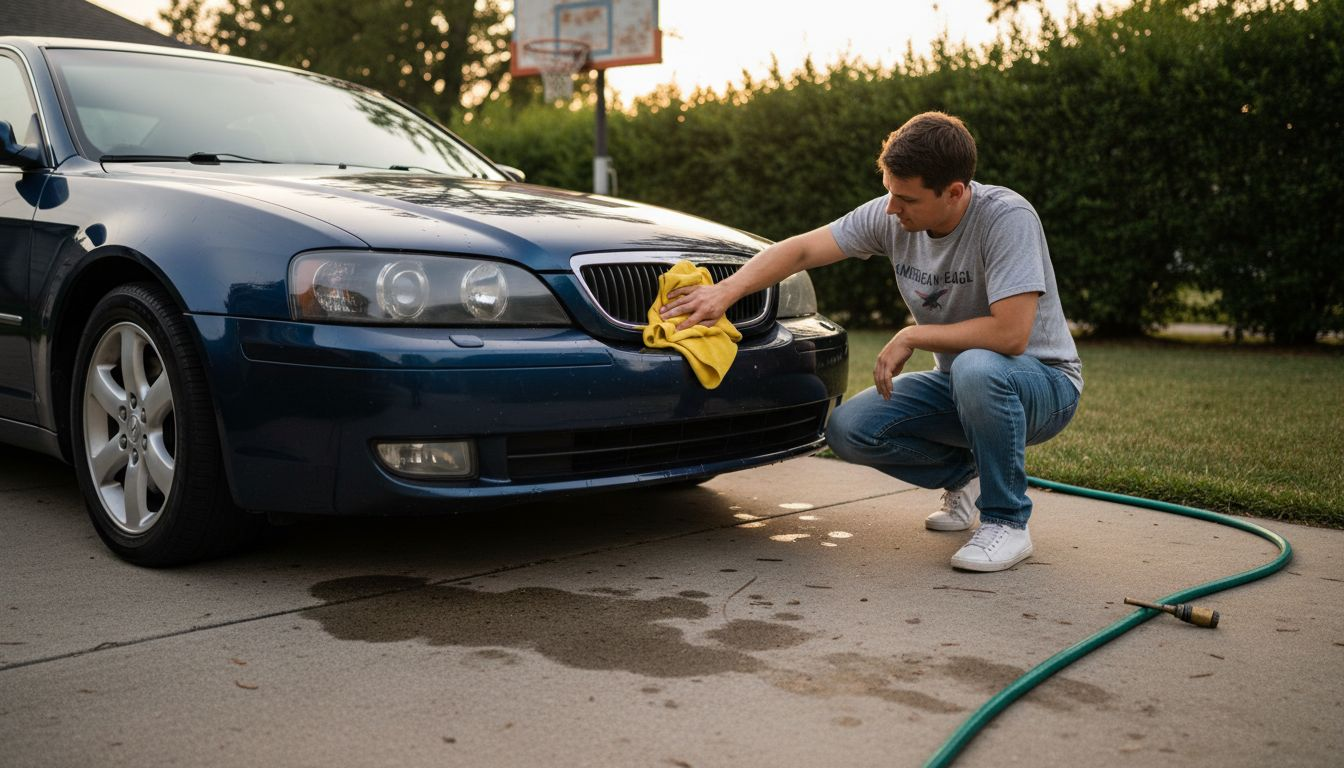
Regular maintenance recommendations include gentle cleaning with microfiber cloths, avoiding abrasive chemicals, and scheduling professional inspections every 12-18 months. These practices help protect the tint film’s structural integrity and maintain its protective and aesthetic properties.
Pro tip: Budget for professional maintenance and choose high-quality tint films to maximize long-term value and performance of your headlight tinting investment.
Elevate Your Vehicle’s Look and Safety with Expert Headlight Tinting
The article highlights the crucial balance between style and safety when considering headlight tinting. If you are concerned about preserving visibility, meeting legal standards, and protecting your headlights from harmful UV damage while achieving that sleek custom look, professional quality is non-negotiable. At Optyx Auto Studio, we understand the importance of precision application and using top-tier ceramic and carbon-based films that both enhance your vehicle’s aesthetics and maintain critical light transmission.
Experience the difference trusted experts with over 35 years of experience can deliver. Our certified installers ensure your headlight tinting not only complies with local regulations but also offers long-lasting durability and glare reduction without sacrificing safety. Discover how our comprehensive services including premium window tinting and paint protection complement each other for a full vehicle transformation that protects your investment.
Unlock a superior blend of protection and style today.
Challenge yourself to protect and personalize your vehicle with headlight tinting from Optyx Auto Studio. Visit Optyx Auto Studio now to schedule a consultation and learn more about our professional-grade tinting and full range of automotive customization services.
Explore how our expert team can deliver flawless results that elevate your vehicle’s appearance and safety at Optyx Auto Studio’s website. Take the first step toward automotive excellence today.
Frequently Asked Questions
What is headlight tinting?
Headlight tinting is a process of applying a translucent film to vehicle headlights, altering their appearance and performance while maintaining optimal visibility.
Why is quality important in headlight tinting?
Quality matters in headlight tinting because high-quality films ensure proper visibility, protection from UV damage, and compliance with safety regulations, enhancing both aesthetics and performance.
Can dark headlight tints improve visibility?
No, darker tints do not inherently improve visibility. Excessive tinting can compromise safety and may violate local vehicle regulations, so professional-grade tints should balance design with functionality.
How do I maintain my headlight tint?
Maintain your headlight tint by gently cleaning with microfiber cloths, avoiding abrasive chemicals, and scheduling professional inspections every 12-18 months to ensure optimal performance and longevity.
Recommended


Comments