
Why Protect Vehicle Paint: Lasting Beauty and Value


Most American luxury car owners will be surprised to know that unprotected paint can cause thousands of dollars in preventable depreciation. In a vibrant city like Spokane, every premium vehicle faces sunlight, chemical contaminants, and road debris that quickly compromise its finish. Smart car enthusiasts choose advanced paint protection to maintain flawless appearance and strengthen long-term resale value, creating peace of mind every time they drive their investment.
Table of Contents
Key Takeaways
Point | Details |
Investment in Paint Protection | Protecting your vehicle’s paint is essential for maintaining its aesthetic appeal and market value. Consider professional services, especially in the first 30 days of ownership. |
Types of Protection | Various paint protection options are available, including clear coats, waxes, sealants, and ceramic coatings, each with varying levels of durability and protection. |
Financial Impact | Proper paint protection can significantly enhance resale value and reduce depreciation, making it a smart financial decision for vehicle owners. |
Risks of Unprotected Paint | Unprotected paint is vulnerable to environmental damage, leading to costly repairs and diminished vehicle integrity. Regular inspections are recommended to maintain paint condition. |
What Paint Protection Really Means for Cars
Protecting your vehicle’s paint is far more than a cosmetic concern. It represents a strategic investment in preserving your car’s aesthetic appeal, structural integrity, and long-term market value. Paint protection technologies serve as a critical defense mechanism against environmental challenges that can gradually degrade your vehicle’s exterior finish.
At its core, automotive paint protection involves creating sophisticated physical barriers that shield the vehicle’s surface from multiple damaging elements. These include ultraviolet radiation, chemical contaminants, road debris, bird droppings, tree sap, and harsh weather conditions. By implementing professional-grade protective treatments, car owners can significantly slow down oxidation, prevent color fading, and maintain the vehicle’s pristine appearance.
The conservation principles behind paint protection mirror broader preservation strategies used in historical artifact maintenance. Just as museums carefully protect valuable exhibits, automotive enthusiasts use advanced coatings and treatments to prevent environmental degradation of their vehicle’s paintwork. This approach goes beyond aesthetic concerns - it represents a methodical strategy to extend the car’s visual and structural lifespan.
Pro tip: Consider professional paint protection services within the first 30 days of purchasing a new vehicle to maximize long-term preservation and maintain optimal resale value.
Types of Paint Protection Explained
Vehicle owners have several options when it comes to protecting their car’s exterior, each with unique characteristics and levels of protection. Paint protection technologies range from basic to advanced solutions, designed to shield a vehicle’s finish from environmental challenges and maintain its pristine appearance.
The most common types of paint protection include clear coats, waxes, sealants, and ceramic coatings. Clear coats provide a foundational protective layer directly applied over the base paint, offering basic defense against minor scratches and UV exposure. Waxes deliver a temporary, glossy finish with limited water resistance, typically lasting a few weeks to months. Professional-grade sealants represent a more advanced synthetic option, creating a more durable barrier that can protect the paint for several months.
Ceramic coatings stand at the pinnacle of paint protection technology, offering comprehensive defense against environmental threats. These advanced treatments create a chemical-resistant, nano-ceramic layer that can last several years, providing superior protection against UV radiation, chemical contaminants, road debris, and oxidation. Professional ceramic coatings require precise application and can significantly enhance a vehicle’s appearance while creating a near-permanent protective shield.
Here’s a comparison of popular paint protection methods for cars:
Protection Type | Durability | Protection Level | Maintenance Frequency |
Clear Coat | Several years | Basic UV and scratch | Annual inspection |
Wax | Weeks to months | Gloss and water beading | Every 1-3 months |
Sealant | 6-12 months | Enhanced chemical barrier | Twice per year |
Ceramic Coating | 2-5 years | Advanced, multi-threat | Annual checkups |
Pro tip: Invest in professional ceramic coating installation for long-term paint protection, ensuring meticulous surface preparation and expert application to maximize durability and performance.
How Paint Protection Preserves Appearance
Vehicle appearance is a delicate balance of color, shine, and surface integrity that requires consistent protection from environmental challenges. Paint protection strategies create a critical barrier that shields a vehicle’s exterior from the gradual deterioration caused by everyday exposure to harmful elements.
UV radiation, acidic pollutants, and abrasive particles continuously threaten a vehicle’s paint finish, causing oxidation, fading, and microscopic damage that can dramatically reduce aesthetic appeal. Protective coatings work by creating a resilient layer that absorbs and deflects these damaging influences, maintaining the paint’s original color depth, glossiness, and structural integrity. The protective barrier essentially acts like a sophisticated shield, preventing contaminants from directly interacting with the vehicle’s base paint.
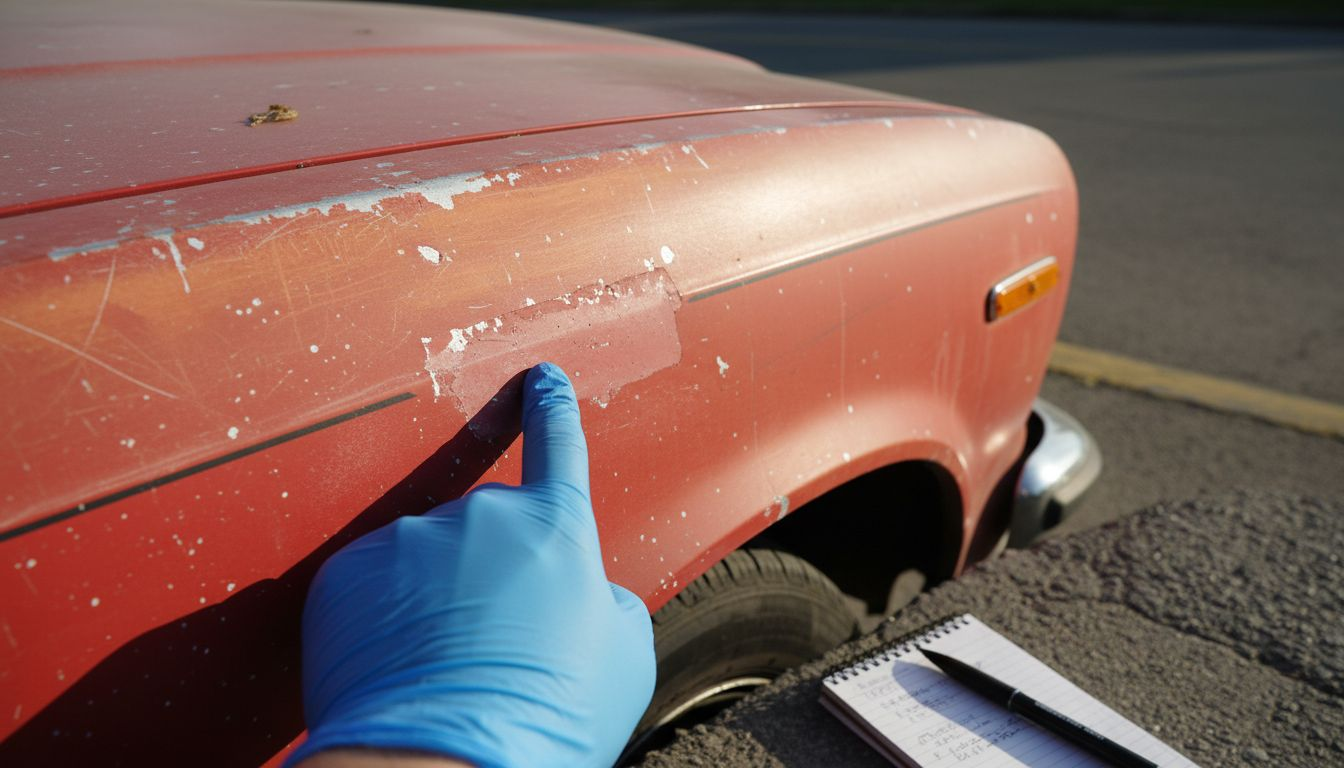
Contaminants such as road salts, bird droppings, industrial fallout, and mineral deposits can cause significant visual and structural damage to automotive paint. Advanced protective technologies create hydrophobic surfaces that actively repel water and minimize chemical interactions, preventing staining and corrosion. These innovative treatments not only preserve the vehicle’s visual appearance but also protect the underlying metal surfaces from potential long-term degradation, ensuring that the car maintains its showroom-quality finish for years.
Pro tip: Regularly inspect and maintain your paint protection coating to ensure maximum effectiveness and address any potential vulnerabilities before they become significant issues.
Financial and Resale Value Impacts
Vehicle owners often underestimate the profound financial implications of maintaining their car’s exterior appearance. Proper paint protection directly influences a vehicle’s market value, serving as a critical factor in determining resale potential and overall investment preservation.
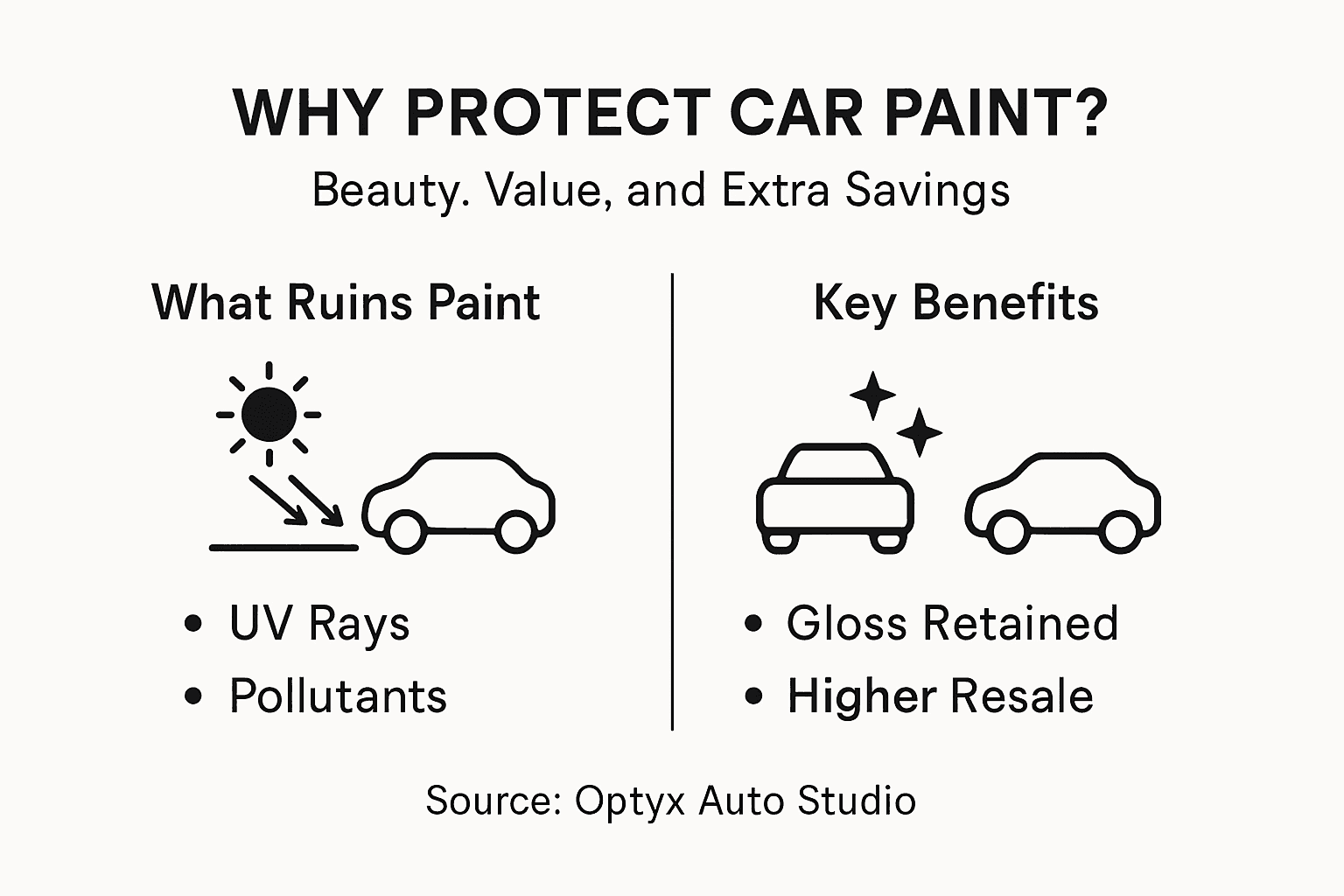
The economic impact of paint protection extends far beyond cosmetic considerations. Vehicles with meticulously maintained exteriors command significantly higher prices in the used car market, as potential buyers interpret well-preserved paint as a signal of comprehensive vehicle care. Microscopic damage, oxidation, and surface degradation can dramatically reduce a car’s perceived value, potentially causing thousands of dollars in depreciation that could have been prevented through strategic protective measures.
Advanced automotive preservation techniques offer substantial long-term financial benefits by preventing costly repainting and repair work. Professional-grade paint protection minimizes environmental wear, reduces the likelihood of corrosion, and maintains the vehicle’s aesthetic appeal. This proactive approach not only preserves the car’s visual integrity but also represents a smart financial strategy that can potentially return several times the initial investment when it comes time to sell or trade in the vehicle.
The table below summarizes the financial benefits of paint protection:
Benefit | Impact on Value | Long-Term Savings |
Minimizes depreciation | Higher resale price | Lower repair and repaint cost |
Enhances buyer confidence | Faster sales process | Fewer price negotiations |
Reduces maintenance needs | Preserved appearance | Reduced frequency of repairs |
Pro tip: Document all paint protection treatments and professional maintenance records, as these can serve as valuable proof of careful ownership when negotiating resale value.
Common Risks of Unprotected Paint
Vehicle owners face numerous threats to their car’s exterior when paint remains unprotected. Automotive paint vulnerabilities range from subtle degradation to significant structural damage that can dramatically reduce a vehicle’s aesthetic and financial value.
Ultraviolet radiation poses one of the most persistent threats to unprotected paint surfaces. Continuous sun exposure causes gradual oxidation, leading to color fading, chalky texture, and microscopic paint breakdown. Chemical contaminants further accelerate this deterioration - road salts, industrial fallout, bird droppings, and acidic pollutants can rapidly etch into unprotected paint, creating permanent discoloration and surface damage that compromises the vehicle’s structural integrity.
Vehicle safety assessments highlight how unprotected paint increases vulnerability to physical damage. Minor impacts, debris strikes, and everyday environmental interactions can quickly transform small scratches into significant corrosion points. These exposed areas invite moisture penetration, which accelerates rust formation and can cause extensive underlying metal damage that far exceeds the cost of initial paint protection.
Pro tip: Conduct monthly visual inspections of your vehicle’s paint surface to identify and address potential vulnerabilities before they develop into more serious damage.
Preserve Your Vehicle’s Beauty and Value with Expert Paint Protection
The article highlights the critical need to shield your vehicle’s paint from damaging UV rays, chemical contaminants, and everyday wear that cause fading, oxidation, and costly deterioration. If you want to maintain your car’s vibrant color and resale value while preventing scratches and corrosion, investing in professional-grade protection is essential. Key pain points include preventing long-term paint damage, enhancing durability, and securing your vehicle’s market worth through solutions like advanced ceramic coatings and paint protection films.
At Optyx Auto Studio, we understand these challenges intimately. With over 35 years of experience, our certified installers deliver meticulous paint correction and cutting-edge ceramic coatings designed to extend your car’s lifespan and aesthetic appeal. Our expert application techniques ensure minimal visible film edges and superior results that protect against environmental threats described in the article. Discover how our full vehicle wraps and custom styling options offer both beauty and defense, tailored to your needs for lasting protection.
Take action today to safeguard your investment and enjoy peace of mind knowing your vehicle looks spectacular for years. Learn more about our premium services at Optyx Auto Studio and experience the difference that professional automotive protection makes to your car’s enduring value.
Frequently Asked Questions
What are the benefits of protecting my vehicle’s paint?
Protecting your vehicle’s paint maintains its aesthetic appeal, prevents oxidation and fading, and enhances its market value. Proper paint protection can significantly slow down degradation caused by environmental factors.
How long do different paint protection methods last?
Clear coats can provide several years of basic protection, while waxes typically last a few weeks to months. Sealants offer protection for 6-12 months, and ceramic coatings can last between 2 to 5 years, providing the most durable defense against environmental threats.
How does paint protection impact a car’s resale value?
Well-maintained paint can elevate a vehicle’s resale price and attract buyers, as it signals careful ownership. Advanced paint protection can prevent costly repairs and degradation, leading to long-term financial benefits when selling or trading in the car.
What types of contaminants can damage unprotected vehicle paint?
Unprotected vehicle paint is vulnerable to UV radiation, road salts, bird droppings, industrial fallout, and acidic pollutants, all of which can cause fading, etching, and other forms of damage that compromise the paint’s integrity.
Recommended


Comments