
Why Window Tint Laws Matter for Spokane Drivers

Many Spokane car owners find themselves debating how dark their tint can go while still keeping their vehicles legal and stylish. Matching your desire for sleek window upgrades with strict Washington state laws can feel overwhelming. This guide breaks down the essentials of Visible Light Transmission (VLT) compliance so you can protect your investment, upgrade your vehicle’s look, and avoid costly inspection failures or penalties.
Table of Contents
Key Takeaways
Point | Details |
Window Tint Laws Impact Visibility | Compliance with VLT standards ensures driver visibility and enhances safety for all road users. |
State-Specific Regulations Matter | Understanding local laws, like Washington’s stricter VLT limits, prevent costly violations. |
Professional Installation is Crucial | Using experienced installers guarantees proper tinting that meets legal requirements and achieves desired aesthetics. |
Non-Compliance Leads to Serious Consequences | Illegal tinting can result in fines, failed inspections, and increased liability in accidents. |
Understanding Window Tint Laws and Standards
Window tint laws exist to balance privacy, heat reduction, and vehicle safety. They regulate how dark your windows can be based on Visible Light Transmission (VLT) percentages, which measure the amount of light passing through factory glass plus tint film combined.
Unlike the tint film label you might see in a shop, legal compliance is measured by the final light transmission on your vehicle windows. A 35% VLT tint doesn’t mean the film itself blocks 35% of light—it means your window assembly allows only 35% of light through.
Why These Laws Exist
States regulate window tint through specific standards that address three main concerns:
Driver visibility: Darker tints can impair your ability to see the road, especially at night or in poor weather
Law enforcement safety: Officers need to see inside vehicles during traffic stops for their protection
Vehicle inspection compliance: Non-compliant tint leads to failed inspections and potential fines
Federal standards set baseline safety measures for automotive glazing, but individual states define their own VLT limits to reflect local driving conditions and safety priorities.
Key Components of Tint Regulations
Understanding what these regulations actually measure helps you stay compliant while achieving the look you want. Most states regulate window tint across several categories:
Windshield: Typically allows only a sun strip (non-reflective tint across the top)
Front side windows: Often require 50% VLT or higher for driver visibility
Rear side windows: Usually permit darker tints, sometimes as low as 35% VLT
Rear window: Often allows the darkest tint available, sometimes 20% VLT or darker
Reflectivity standards: Many states limit how much light can bounce off the tinted surface
The final light transmission on your window assembly is what determines legality, not the tint film percentage shown in product labels.
So even if you purchase a film labeled “35%,” the actual light passing through depends on your factory glass tint. This is why professional installation and accurate measurement matter for compliance.
With premium ceramic window tinting, experienced installers can achieve precise VLT measurements to ensure your vehicle meets Spokane’s regulations while maximizing the aesthetic benefits and UV protection you’re seeking.
Pro tip: Have your tint measured after installation using a light meter to confirm it meets Spokane standards before facing inspection issues or traffic stops.
How Tint Regulations Impact Safety and Visibility
Tint regulations exist for a reason: they protect you, pedestrians, and law enforcement. When windows become too dark, your ability to detect what’s happening outside decreases, especially in low-light conditions or bad weather.
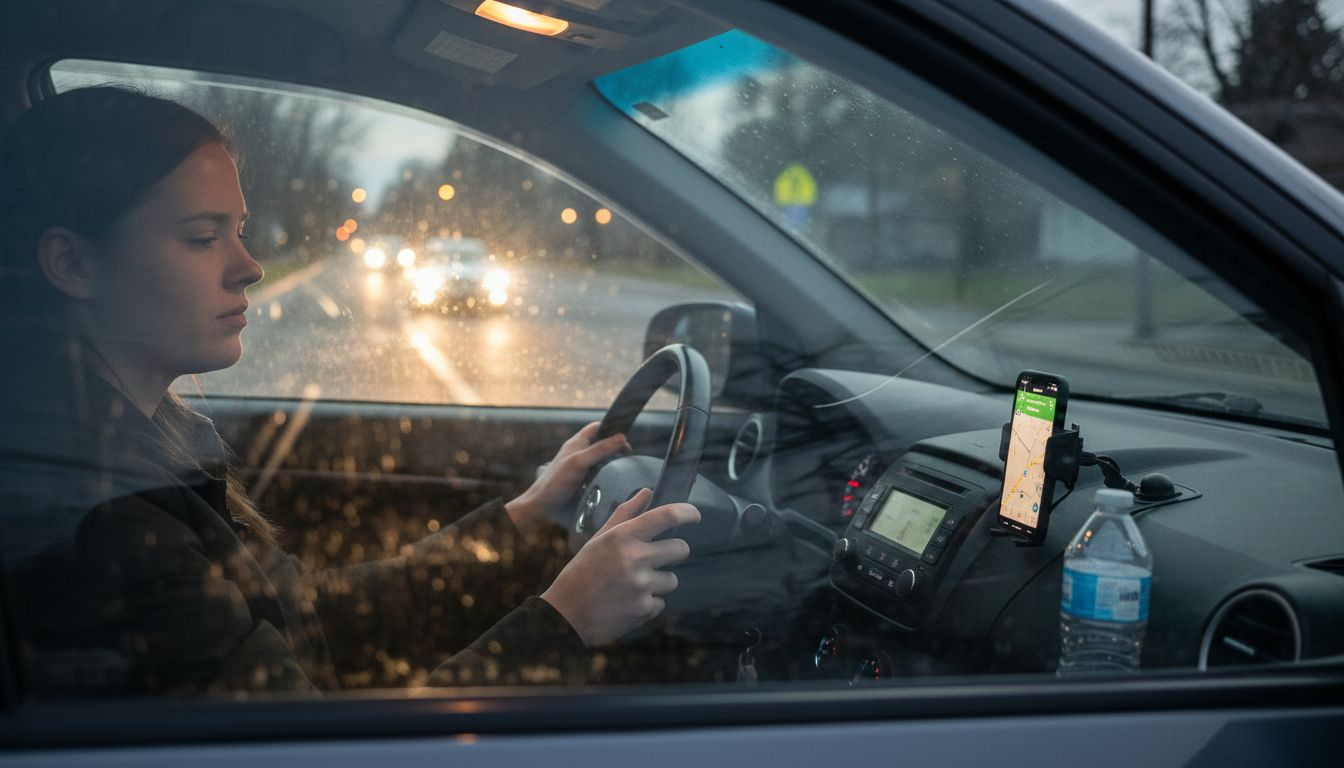
Research shows that tinted windows reduce driver detection of pedestrians and cyclists, creating real safety risks on Spokane streets. The darker the tint, the harder it becomes to spot vulnerable road users before it’s too late.
The Visibility Challenge
Here’s what happens as tint gets darker:
Night driving: Reduced light transmission makes it harder to see the road ahead and spot hazards
Pedestrian detection: Cyclists and walkers become harder to see in evening or cloudy conditions
Reaction time: You have less time to respond to unexpected movements or obstacles
Other vehicles: Spotting cars in adjacent lanes or approaching intersections takes longer
Your brain relies on visual information to make split-second driving decisions. When tint blocks that information, accidents become more likely.
Law Enforcement and Traffic Stops
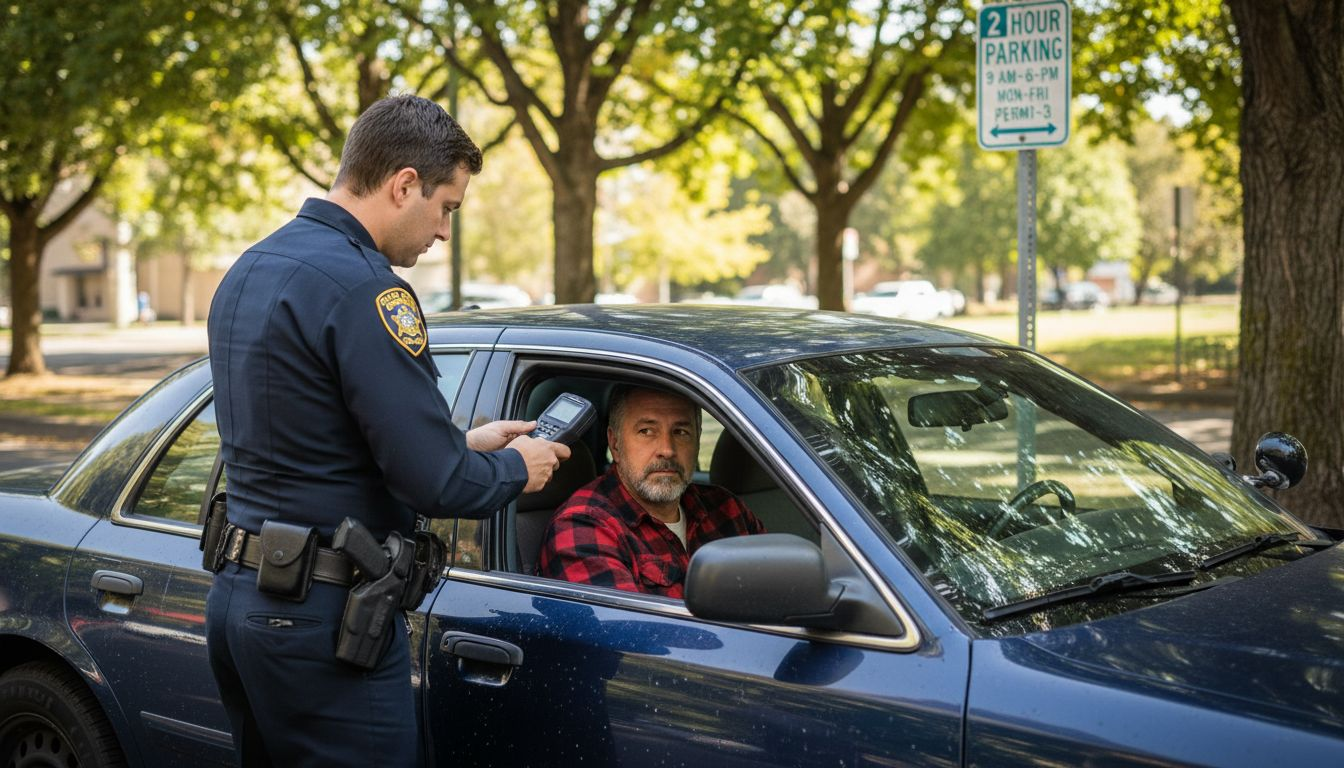
Tint regulations also protect officers during traffic stops. When an officer approaches your vehicle, they need to see inside clearly for their safety. Excessive tint makes it impossible to assess potential threats before engaging with a driver.
This is why states maintain visibility standards—it’s a two-way safety measure that benefits everyone on the road.
Finding Your Balance
You can still achieve the look you want while staying safe and legal. Premium ceramic window tinting allows you to customize your vehicle’s appearance while maintaining the visibility thresholds that matter.
Understanding window tint percentages helps you identify the darkest legal tint for each window in Spokane. Professional installers know exactly where those boundaries are and can help you maximize style without crossing into unsafe territory.
Regulations aren’t designed to limit your freedom—they’re designed to keep everyone on the road safer.
The key is working with experienced professionals who understand both the legal limits and how to achieve the aesthetic benefits you’re seeking.
Pro tip: Before committing to any tint darkness, ask your installer to show you sample comparisons at legal darkness levels so you can visualize the final result on your specific vehicle.
Variations in State and Local Tint Requirements
Window tint laws aren’t one-size-fits-all. Washington state has specific regulations that differ from neighboring states, and even local enforcement can vary. Understanding what applies to your vehicle in Spokane prevents costly violations and inspection failures.
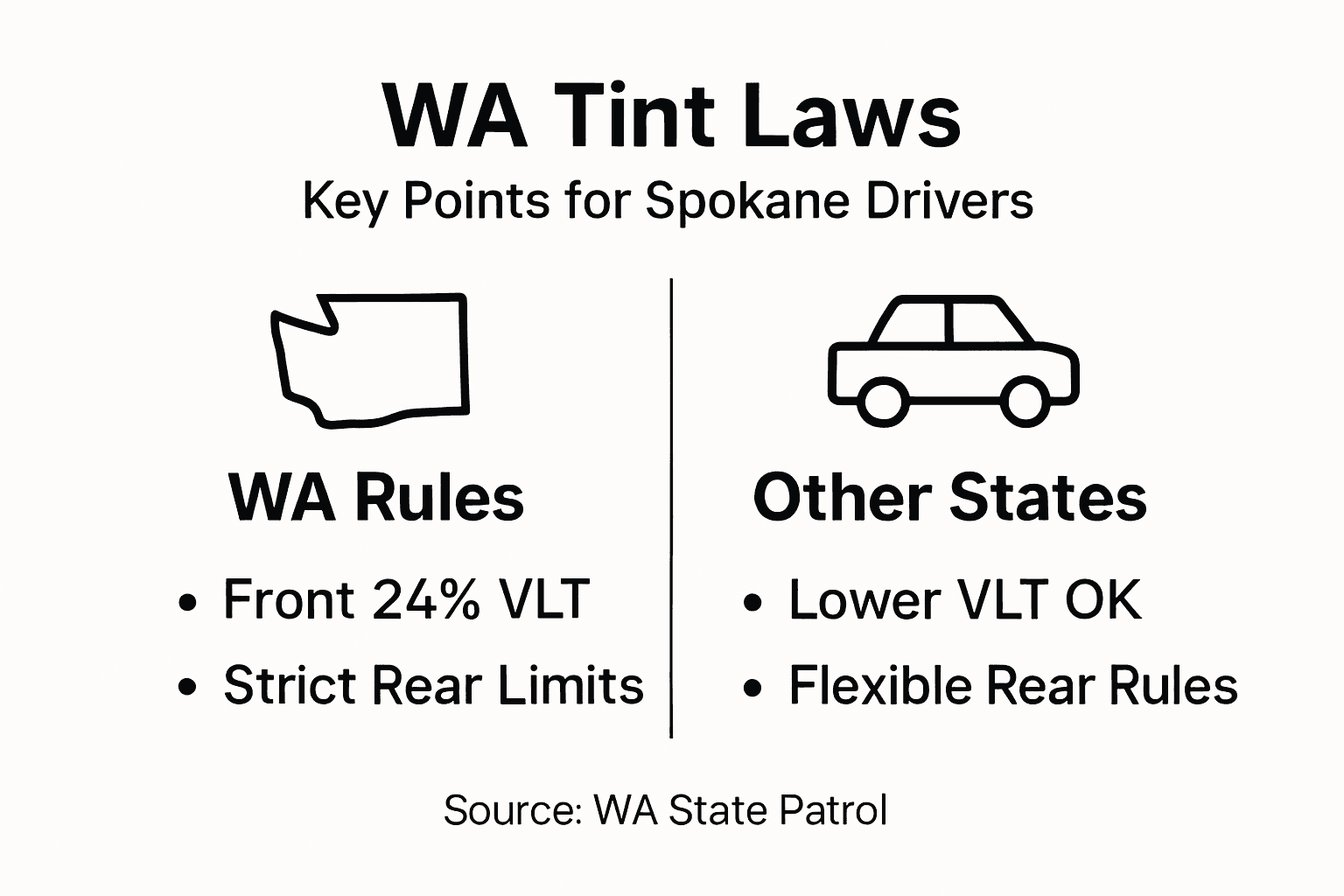
Washington’s rules are stricter than many states. Front side windows require at least 24% VLT, meaning they can’t be darker than that limit. This is significantly more restrictive than rear window regulations, which allow much darker tint on certain vehicles.
Washington State Specifics
Here’s what Washington law actually requires:
Windshield: Only non-reflective tint on the top 6 inches
Front side windows: Minimum 24% VLT (must allow substantial light through)
Rear side windows: Different limits for sedans versus multi-purpose vehicles (SUVs, vans)
Rear window: Darker tint allowed, especially on SUVs and vans
Reflectivity: Cannot exceed 35% on any window
Dual mirrors: Required if you tint your rear window
The difference between vehicle types matters. SUVs and vans have more lenient rear tint regulations than sedans, so your vehicle classification determines what’s legal.
To clarify window tint requirements for different vehicle types in Washington, see this quick reference guide:
Window Location | Sedans (Min. VLT) | SUVs/Vans (Min. VLT) | Reflectivity Cap |
Windshield (top 6 in.) | Non-reflective | Non-reflective | 35% |
Front Side Windows | 24% | 24% | 35% |
Rear Side Windows | 24% | No Limit | 35% |
Rear Window | 24% | No Limit | 35% |
Dual Mirrors If Rear Tinted | Required | Required | N/A |
Medical Exemptions and Local Variations
Washington allows darker tint with proper medical documentation. If you have a condition requiring UV protection or light sensitivity, you can apply for an exemption that permits non-standard tint levels.
Local law enforcement can interpret and enforce these rules differently. What passes inspection in one county might get flagged in another. The state provides clear frameworks, but enforcement varies.
Why This Matters for Spokane
Spokan drivers need to account for Washington state law plus any local enforcement preferences. Choosing the right tint darkness for your specific vehicle type ensures you stay compliant everywhere in the state.
Professional installers in Spokane know these regulations inside and out. They understand the exact legal limits for your vehicle and can help you maximize visual appeal within those boundaries.
Washington’s 24% front window limit is one reason working with experienced installers matters—it’s specific enough that mistakes create legal problems.
Don’t assume tint that’s legal elsewhere works in Washington. State-specific knowledge prevents expensive penalties and failed inspections.
Pro tip: Ask your installer to confirm your vehicle’s classification (sedan versus multi-purpose) before selecting tint darkness, since this determines which legal limits apply.
Risks of Non-Compliance and Legal Penalties
Illegal window tint isn’t a minor issue. Violating Washington’s tint laws creates real financial and legal consequences that go beyond a simple fine. Understanding what’s at stake helps you make informed decisions about your vehicle.
Law enforcement in Spokane actively enforces tint regulations. Officers carry measurement devices to check VLT levels during traffic stops, and they can cite you on the spot if your tint exceeds legal limits.
Financial Penalties and Citations
Non-compliance brings immediate costs:
Traffic infractions: Violations are recorded on your driving record
Fines: Monetary penalties for illegal tinting violations
Fix-it tickets: Orders to remove or correct tint within a specified timeframe
Proof of compliance: Required documentation showing corrected windows
Vehicle inspection failures: Failed emissions tests if tint prevents proper inspection
Illegal tinting can result in significant financial penalties that compound if you fail to address violations promptly. A fix-it ticket requires you to prove compliance, not just correct the problem.
Safety and Insurance Implications
Beyond legal penalties, illegal tint creates safety and insurance complications. If you’re involved in an accident and your tint is non-compliant, insurers may deny claims or reduce coverage. Your liability increases if darkness contributed to the incident.
Illegal tint also blocks officer visibility during traffic stops, creating tension and safety concerns for law enforcement. This can escalate routine interactions and lead to additional citations.
Impoundment and Long-Term Consequences
In Spokane, serious violations can lead to vehicle impoundment. Repeated violations or extreme non-compliance may result in vehicle holds until violations are corrected and fees are paid.
Compliance issues also create problems when selling or registering your vehicle. Buyers may refuse vehicles with illegal modifications, and registration renewal can be denied.
The Smart Approach
Professional installation with compliant tint saves money, stress, and legal headaches. Working with installers who know Washington’s exact requirements ensures your vehicle passes inspection and avoids citations.
One fix-it ticket costs more than professional-grade compliant tint installation.
The financial and legal risks make compliance the practical choice.
Pro tip: Keep documentation of your tint installation and any compliance measurements from your installer—having proof readily available protects you during traffic stops.
Choosing Legal, High-Performance Tint Solutions
Not all window tint is created equal. You can achieve the aesthetic you want while staying compliant by selecting the right film type and working with professionals who understand Washington’s requirements.
The key is balancing performance, legality, and appearance. High-performance films deliver UV protection, heat rejection, and durability without compromising visibility or crossing legal lines.
Understanding Film Types
Different tint films offer different benefits:
Ceramic tint: Superior UV blocking, excellent heat rejection, premium clarity
Carbon tint: Strong heat rejection, reduced glare, consistent color stability
Dyed tint: Budget-friendly option, less durable, prone to fading over time
Metallic tint: Reflective properties, excellent heat control, not legal in Washington (exceeds reflectivity limits)
Ceramic and carbon films are your best options for Spokane. They provide maximum protection while maintaining the visibility standards Washington requires.
Here is a comparison of popular tint film types, focusing on their performance and compliance for Washington drivers:
Film Type | UV/Heat Protection | Color Stability | Legal in WA State? |
Ceramic | Excellent | High | Yes, meets state limits |
Carbon | Strong | Good | Yes, meets state limits |
Dyed | Basic | Fades over time | Yes, if VLT/reflectivity legal |
Metallic | Superior | Good | No, usually too reflective |
Compliance Without Compromise
High-performance ceramic and carbon films provide UV protection and heat rejection while maintaining legal compliance. You don’t have to sacrifice performance to stay within VLT limits.
Certified films come with documentation confirming they meet state standards. This certification matters when you’re pulled over or during vehicle inspections—it proves your installation is legitimate.
Working With Professional Installers
Professional installers know which films work within Washington’s specific requirements. They understand how to achieve dark, protective tint that still meets the 24% front window minimum. Premium installation ensures precise measurements and flawless results that look better and last longer.
Experienced installers also handle the technical details—proper application techniques, edge sealing, and window preparation—that extend tint life and prevent bubbling or peeling.
The Investment Perspective
Quality tint costs more upfront but saves money long-term. Premium ceramic film lasts 10+ years without fading, while budget dyed tint degrades in 3-5 years. One replacement costs more than installing quality tint initially.
Plus, legal compliance prevents expensive citations and failed inspections. The choice is clear economically.
Certified high-performance films give you protection, appearance, and legal peace of mind simultaneously.
You don’t choose between compliance and quality—the right installer delivers both.
Pro tip: Ask installers about film warranties and request documentation of VLT measurements after installation to verify compliance and protect your investment.
Protect Your Spokane Vehicle With Legal and Premium Window Tint Solutions
Navigating Washington’s strict window tint laws can be challenging but essential for your safety and peace of mind. The article highlights how understanding Visible Light Transmission (VLT) limits and staying compliant prevents costly fines and keeps you visible in all conditions. If you want to avoid inspection failures and ensure your tint meets Spokane regulations, professional-grade ceramic tinting is the key. It offers heat rejection, UV protection, and style without crossing legal boundaries.
Explore how Optyx Auto Studio blends expert installation with top-tier ceramic window tint films designed to meet Washington state requirements. Our certified installers provide precise application and VLT measurement to guarantee compliance. Don’t risk penalties or safety issues with subpar tint. Experience a luxury upgrade that combines protection, aesthetics, and legal peace of mind. Visit Optyx Auto Studio today to schedule your consultation and drive with confidence.
Learn more about our Ceramic Window Tinting Services and discover your vehicle’s perfect balance of style and safety.
Frequently Asked Questions
What is VLT and why is it important for window tinting?
VLT, or Visible Light Transmission, refers to the percentage of light that passes through your vehicle’s windows. It’s important because it determines if your window tint complies with local laws, ensuring safety for drivers and law enforcement.
How can I ensure my window tint is compliant with local laws?
To ensure compliance, have your tint measured after installation using a light meter to confirm it meets the legal VLT standards for your area. Professional installers are typically equipped to perform these measurements accurately.
What are the main reasons for window tint laws?
Window tint laws exist primarily to improve driver visibility, enhance law enforcement safety during traffic stops, and ensure vehicles pass inspections without issues related to illegal tint.
What are the differences between various types of window tint films?
Different types of window tint films include ceramic, carbon, dyed, and metallic. Ceramic offers excellent UV protection and clarity, while carbon provides strong heat rejection. Dyed tints are budget-friendly but less durable. Metallic tints are generally not legal due to high reflectivity levels.
Recommended


Comments