
Window Tint Protection: Lasting Defense for Luxury Cars

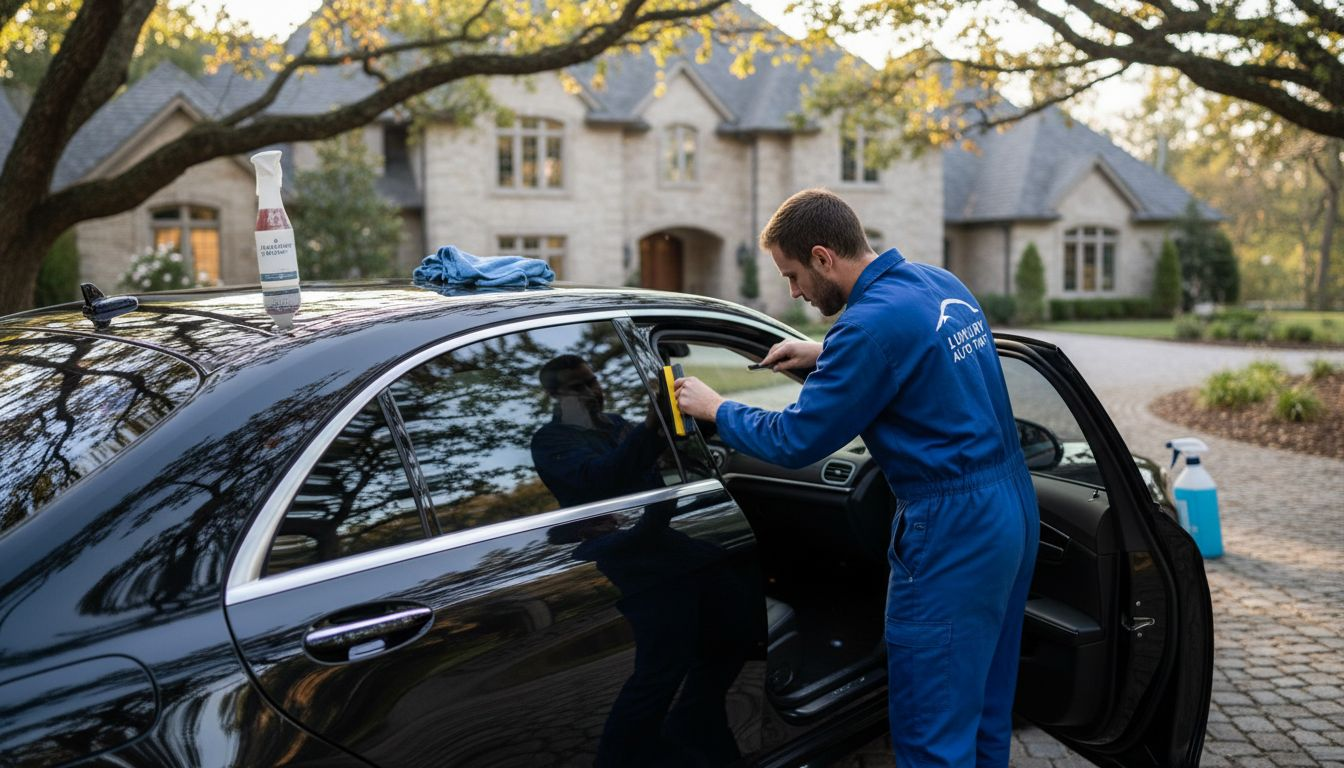
Every luxury car deserves both protection and style, yet harsh Spokane sunlight and constant exposure can threaten your vehicle’s exquisite interior and comfort. Quality window tint acts as a discreet yet powerful guardian, shielding premium materials against fading, cracking, and excessive heat. For those valuing outstanding appearance and long-term value, this guide reveals how thin laminate film offers advanced defense plus an instant upgrade to your car’s visual appeal, all delivered by expert installers skilled in safeguarding high-end vehicles.
Table of Contents
Key Takeaways
Point | Details |
Importance of Window Tint | Window tint serves as a protective barrier against UV rays, infrared radiation, and excessive visible light, safeguarding both your vehicle’s interior and occupants. |
Types of Window Tint | Understanding the differences among window tint types (Dyed, Carbon, Metallized, Ceramic, and Hybrid) helps in selecting the best option based on heat rejection, aesthetics, and electronic compatibility. |
Professional Installation vs DIY | Opt for professional installation to ensure precision and accountability, preventing costly mistakes and maximizing the longevity of your window tint. |
Maintenance Recommendations | Regular maintenance with proper techniques is crucial to preserve the integrity of your tinted windows and enhance their aesthetic appeal and protective benefits. |
Defining Window Tint and Its Protective Role
Window tint is a thin laminate film applied to your vehicle’s glass surfaces that works like an invisible shield against multiple threats your luxury car faces daily. Made primarily from polyethylene terephthalate (PET), this specialized material blocks harmful radiation while maintaining visibility and preserving your car’s aesthetics. Think of it as sunscreen for your automobile—it doesn’t just darken your windows; it actively protects what’s inside from damage that accumulates over time.
The protective mechanism works on a surprisingly straightforward principle. Window tint filters out three types of radiation that penetrate standard automotive glass: ultraviolet (UV) rays, infrared radiation, and excessive visible light. UV window film blocks up to 99% of ultraviolet rays that would otherwise pass directly into your vehicle, protecting both your interior and your skin during drives. The film converts solar radiation into infrared heat, which is then reflected back outside, keeping your cabin cooler without relying entirely on air conditioning. This multi-layered defense system means your leather seats fade less, your dashboard resists cracking, and your passengers experience genuine protection from sun damage—not just comfort.
What makes window tint different from other protective options is its dual function as both a defensive barrier and an aesthetic upgrade. Unlike temporary solutions, professional tint installation provides permanent protection that works continuously, year-round, whether you’re driving through Spokane’s bright summer days or sitting in a parking lot. The film strengthens your glass as well, providing additional safety benefits in case of impact. For luxury car owners who’ve invested significantly in their vehicles, window tint represents practical insurance against UV damage, heat buildup, and interior degradation. Understanding how window tinting benefits luxury cars helps you recognize why this protection matters for preserving both your investment and your comfort.
Pro tip: Request ceramic window tint specifically when having your luxury car tinted, as it outperforms standard dyed or metallic films by offering superior heat rejection without interfering with electronic systems like GPS or cellular signals.
Types of Automotive Window Tint Films Explained
Not all window tints perform equally, and understanding the differences between film types helps you make an informed decision for your luxury vehicle. The market offers five primary categories of automotive window tint films, each with distinct performance characteristics, price points, and aesthetic qualities. Choosing the right type depends on your priorities, whether that’s maximum heat rejection, budget constraints, or long-term durability without electronic interference.
Dyed films represent the most affordable entry point into window tinting. These films work by absorbing solar energy through embedded dyes, which darkens the windows and reduces visible light transmission. The downside is significant: dyed films fade noticeably over time, especially in Spokane’s intense summer sun, and they offer modest heat rejection compared to premium alternatives. Carbon films step up the performance ladder by using multiple layers of polymer combined with carbon particles, creating a matte finish that resists fading far better than dyed options. They provide superior heat rejection without the electronic interference issues that plague metallized films, making them a solid middle-ground choice. Metallized tints incorporate tiny metal particles that reflect heat away from your vehicle, delivering excellent durability and a sleek appearance. However, the metal content can interfere with GPS, cell signals, and satellite radio, which makes them problematic for luxury vehicles loaded with technology.
Ceramic films stand at the premium tier of automotive window tinting and represent the ideal choice for luxury car owners. Ceramic films contain microscopic ceramic particles that block both ultraviolet and infrared rays without the signal interference plaguing metallized alternatives. They maintain optical clarity better than any other option, allowing you to see through your windows while experiencing superior heat rejection and UV protection. Unlike dyed films, ceramic tints resist fading indefinitely, and unlike metallized films, they won’t disrupt your vehicle’s electronic systems. Hybrid films attempt to balance performance and cost by combining dyed and metallized components, offering moderate heat rejection and reduced fading compared to pure dyed films. When selecting a tint type, consider that ceramic window tinting offers superior protection for luxury vehicles in terms of longevity and performance reliability.
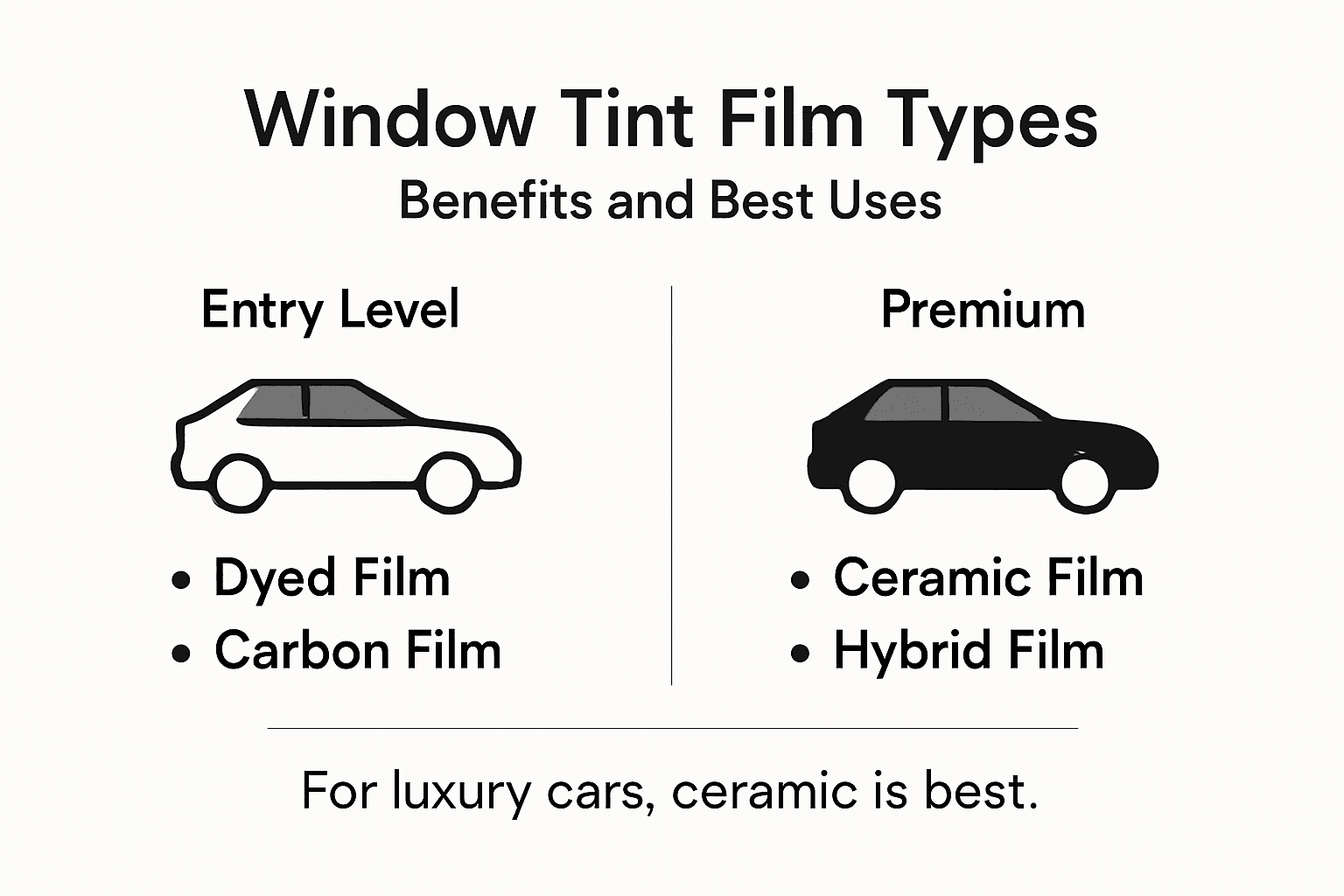
Pro tip: Ceramic films cost more upfront but deliver better long-term value for luxury cars since they maintain their appearance for years without fading and protect your electronics from interference.
Here’s a summary comparing the five main types of automotive window tint films:
Tint Type | Key Benefit | Downsides | Best Use Cases |
Dyed | Budget-friendly | Fades quickly, low heat rejection | Entry-level vehicles |
Carbon | Matte look, fade-resistant | More expensive than dyed | Tech-heavy luxury cars |
Metallized | Excellent heat rejection | May interfere with electronics | Non-tech vehicles |
Ceramic | Superior heat/UV block | Higher upfront cost | High-end luxury cars |
Hybrid | Balanced features | Moderate durability and protection | Cost-conscious buyers |
How Window Tint Shields Your Car’s Interior
Your luxury car’s interior represents a significant investment in craftsmanship, materials, and design. Yet every day it faces an invisible threat: the sun’s radiation relentlessly working to fade, crack, and degrade premium leather, exotic wood trim, and custom dashboard finishes. Window tint works as a protective barrier that intercepts this damage before it reaches your vehicle’s most valuable surfaces. The protection operates through multiple mechanisms working simultaneously, each addressing a specific threat that untinted windows allow to penetrate directly into your cabin.
The primary damage vector is ultraviolet radiation, which is absorbed by interior materials and causes them to fade, become brittle, and lose their original appearance. Beyond fading, the sun’s heat buildup creates a secondary problem: prolonged exposure causes leather to crack, plastics to warp, and adhesives to fail. Window tint blocks these threats by filtering harmful rays before they enter your vehicle. Modern window films reduce infrared radiation that causes interior heat buildup, maintaining a cooler cabin temperature while simultaneously protecting against UV damage. Quality ceramic tints excel at this dual protection, rejecting solar heat while blocking nearly all ultraviolet rays that would otherwise age your interior prematurely. Leather seats stay supple and retain their original color longer, wood trim resists cracking and discoloration, and dashboard materials maintain their structural integrity through temperature fluctuations.
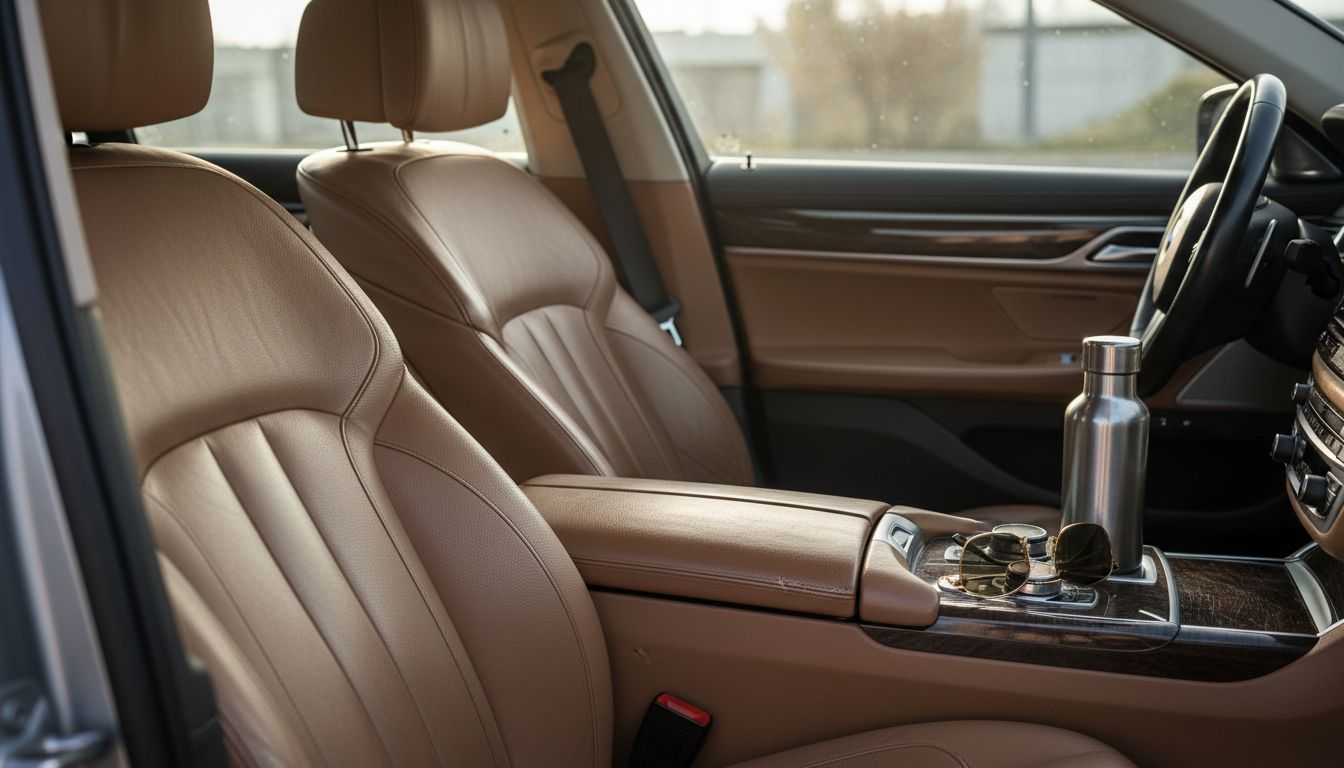
Beyond material protection, window tint creates a more comfortable driving experience by reducing glare that strains your eyes during long drives through Spokane’s bright conditions. Excessive glare forces your pupils to constantly adjust, leading to eye fatigue and headaches, while also reducing visibility and creating safety concerns. The reduced interior temperature also decreases your dependence on air conditioning, which improves fuel economy and reduces engine strain. When you understand UV protection’s critical role in safeguarding luxury cars, you recognize that window tint is preventive maintenance that preserves your vehicle’s condition and resale value. A car with a well-maintained interior commands a higher price and attracts more serious buyers than one showing visible sun damage.
Pro tip: Have your tint applied to all windows, including rear glass, since UV damage doesn’t discriminate and your entire interior deserves consistent protection from the same source of harm.
Legal Limits for Tint Protection in the U.S.
Window tinting laws in the United States are not federal regulations. Instead, each state establishes its own rules governing how dark you can tint your vehicle’s windows. This state-by-state approach means that what is legal in Washington might be illegal in Idaho, and compliance becomes your responsibility as a vehicle owner. Understanding these regulations before having your luxury car tinted prevents costly fines, mandatory removal of non-compliant tint, and potential legal issues that could complicate vehicle registration or insurance claims. The regulations center on Visible Light Transmission (VLT), which measures the percentage of light that passes through your windows. Higher VLT percentages mean lighter tints and more visibility, while lower percentages indicate darker tints that block more light.
The front windshield faces the strictest regulations across virtually all states. Most jurisdictions allow only a narrow non-reflective tint strip along the top of the windshield, above the AS1 line (the manufacturer’s vision line). This restriction exists because regulators prioritize driver visibility and law enforcement’s ability to see occupants during traffic stops. Front side windows have more moderate restrictions, typically requiring 50 to 70 percent VLT or higher to maintain visibility, though requirements vary by state. Rear and back windows generally allow darker tints, and some states permit extremely dark tint or no restriction at all if your vehicle has functional side mirrors. This graduated approach acknowledges that rear window darkness matters less for safety since drivers rely primarily on front and side windows for directional awareness.
Washington State, where Spokane is located, permits a non-reflective tint strip on the upper portion of the windshield, requires 70 percent VLT or lighter for front side windows, and allows any darkness for rear windows. However, regulations change periodically, and enforcement varies by county and municipality. Medical exemptions exist in some states for individuals with health conditions requiring enhanced sun protection, though these typically require documentation and special permits. Before selecting your tint darkness, consult your state’s current regulations and confirm compliance with your installer. When you work with a professional team experienced in luxury vehicle tinting, they verify compliance for your specific situation and help you achieve maximum protection within legal boundaries. Pro tip: Ask your tint installer to provide documentation of the VLT percentage used on your vehicle, since this proof protects you during traffic stops and demonstrates your commitment to legal compliance.
Professional Installation Versus DIY Tinting
The temptation to save money through do-it-yourself window tinting is understandable. DIY tint kits are readily available at automotive retailers, and the upfront cost appears significantly lower than professional installation. However, this comparison overlooks a critical reality: window tinting demands precision, specialized equipment, and expertise that separate successful installations from failures. For luxury car owners who have invested substantial sums in their vehicles, the cost savings of DIY work often evaporate when compared against the price of fixing mistakes or replacing damaged windows.
DIY window tinting introduces numerous failure points that professional installers eliminate through training and experience. The process requires meticulous surface preparation, precise measurement and cutting, careful application without trapping air bubbles, and proper squeegee technique to ensure adhesion. DIY installations risk common issues including bubbles, creases, dust contamination, and improper adhesion, all of which compromise both appearance and durability. These defects don’t simply look unprofessional on a luxury vehicle; they reduce the film’s protective effectiveness and accelerate deterioration. Bubbles trap moisture that eventually causes the film to peel, while improper adhesion allows the edges to lift and collect dirt. Professional installers have invested in specialized tools including precision cutting equipment, heat guns calibrated to exact temperatures, and professional-grade squeegees that amateurs cannot access. They understand how different films respond to temperature, humidity, and vehicle-specific glass shapes that vary significantly across luxury brands.
Beyond technical execution, professional installation provides accountability and warranty protection. When you choose a reputable installer, they stand behind their work with warranties covering defects, peeling, and premature fading. If something goes wrong, they correct it at no additional cost. DIY installations offer no recourse if problems emerge weeks or months later. The psychological stress of watching your luxury car’s windows deteriorate due to preventable installation errors carries its own cost. Professional installers understand the step-by-step process required for flawless results, executing each phase with consistent quality that protects your investment. For luxury car owners prioritizing protection and longevity, professional installation represents insurance against costly mistakes that DIY cannot provide.
Pro tip: Request references or view before-and-after photos of the installer’s work on comparable luxury vehicles, since quality varies significantly among professionals and protecting your vehicle’s appearance justifies thorough vetting.
Common Pitfalls and Maintenance for Tinted Windows
Window tint can fail prematurely through a combination of poor installation choices and inadequate maintenance practices. Understanding these pitfalls helps you protect your investment and extend the life of your tinted windows significantly. The most common failures stem from improper application during installation, but owner behavior afterward determines whether your tint maintains its protective qualities for years or deteriorates within months. Luxury car owners who invest in premium tint deserve to understand how to preserve that protection through simple, deliberate care.
Installation Related Pitfalls
Improper installation creates problems that no amount of maintenance can fully remedy. Bubbling and creasing occur when air becomes trapped between the film and glass, either during initial application or when the installer rushes through the crucial squeegee phase. Poor adhesion develops when the glass wasn’t properly cleaned or when the film wasn’t pressed firmly onto the surface during application. Uneven tinting happens when the installer applies film unevenly, creating visible light and dark patches across your windows. These defects reduce both the aesthetic appeal of your luxury vehicle and the film’s protective effectiveness. The solution lies in working with experienced installers who understand that precision during application prevents these problems entirely.
Maintenance Mistakes to Avoid
Cleaning tinted windows improperly can damage adhesives and shorten film lifespan, so technique matters tremendously. Many owners unknowingly use ammonia-based cleaners like Windex, which gradually degrade the adhesive that bonds the film to your glass. Heat from direct sunlight combined with ammonia causes the film to bubble and peel prematurely. Similarly, using abrasive materials, rough cloths, or sharp tools scratches the film surface and creates entry points for moisture and dirt. The correct approach uses mild soap solutions, soft microfiber cloths, and gentle pressure that cleans without damaging. Avoid rolling down windows during the first five to ten days after installation, as this places stress on adhesion that hasn’t fully cured. Professional installers provide specific care instructions tailored to your particular film type, and following those recommendations preserves your protection. Regular maintenance using proper techniques prevents the majority of failures that plague poorly maintained tinted windows, ensuring your luxury vehicle maintains both its aesthetic appeal and protective benefits.
The table below highlights common installation and maintenance mistakes, along with their long-term impact:
Mistake Type | Example Issue | Long-Term Consequence |
Installation | Trapped air bubbles | Premature peeling, reduced protection |
Installation | Uneven application | Diminished aesthetics, weak performance |
Maintenance | Using ammonia-based cleaner | Adhesive failure, fading |
Maintenance | Abrasive cleaning tools | Scratches, moisture entry |
Pro tip: Schedule professional cleaning annually or whenever you notice visible dirt buildup, since professionals use appropriate solutions and techniques that preserve film integrity while your routine maintenance keeps the windows clear.
Elevate Your Luxury Car’s Protection with Expert Window Tinting
If you are serious about preserving your luxury car’s interior and exterior from fading, cracking, and heat damage, then advanced window tinting solutions offer the lasting defense you need. This article explained how ceramic window tint blocks harmful ultraviolet and infrared rays while maintaining clarity and avoiding electronic interference. Don’t settle for less when your investment deserves the highest level of protection that also enhances your vehicle’s appearance.
Experience the difference that over 35 years of expertise brings at Optyx Auto Studio. Our certified installers specialize in ceramic window tinting and use exacting application techniques to ensure flawless coverage that preserves your car’s value and driving comfort for years. Explore our full range of premium services including ceramic coatings, paint correction, and custom styling options designed specifically for high-end vehicles. Take action now to protect your luxury investment the right way and enjoy lasting defense against sun damage while enhancing style. Contact us today to schedule your personalized consultation at Optyx Auto Studio and secure next-level protection for your prized vehicle.
Frequently Asked Questions
What is window tint and how does it protect luxury cars?
Window tint is a thin film applied to automotive glass that blocks harmful ultraviolet rays, infrared radiation, and excessive visible light. This protective barrier helps prevent interior damage, maintain comfortable cabin temperatures, and enhance aesthetics while providing safety benefits in case of impact.
What types of window tint films are available for luxury vehicles?
There are five primary types of window tint films: dyed, carbon, metallized, ceramic, and hybrid. Each has different performance characteristics, with ceramic films being the premium choice for their superior heat rejection and UV protection without interfering with electronic systems.
How does window tint affect the interior of a luxury car?
Window tint protects the interior by blocking UV rays that can fade leather, wood trim, and dashboard materials. It also helps maintain cooler temperatures, reducing heat buildup that could lead to material degradation, while enhancing overall driving comfort by reducing glare.
Are there legal limits on window tinting?
Yes, window tinting laws are determined by each state, focusing on the percentage of light transmission (VLT). Front windshields often have strict regulations, while rear windows typically allow for darker tints. It’s essential to check local laws to ensure compliance before application.
Recommended


Comments