
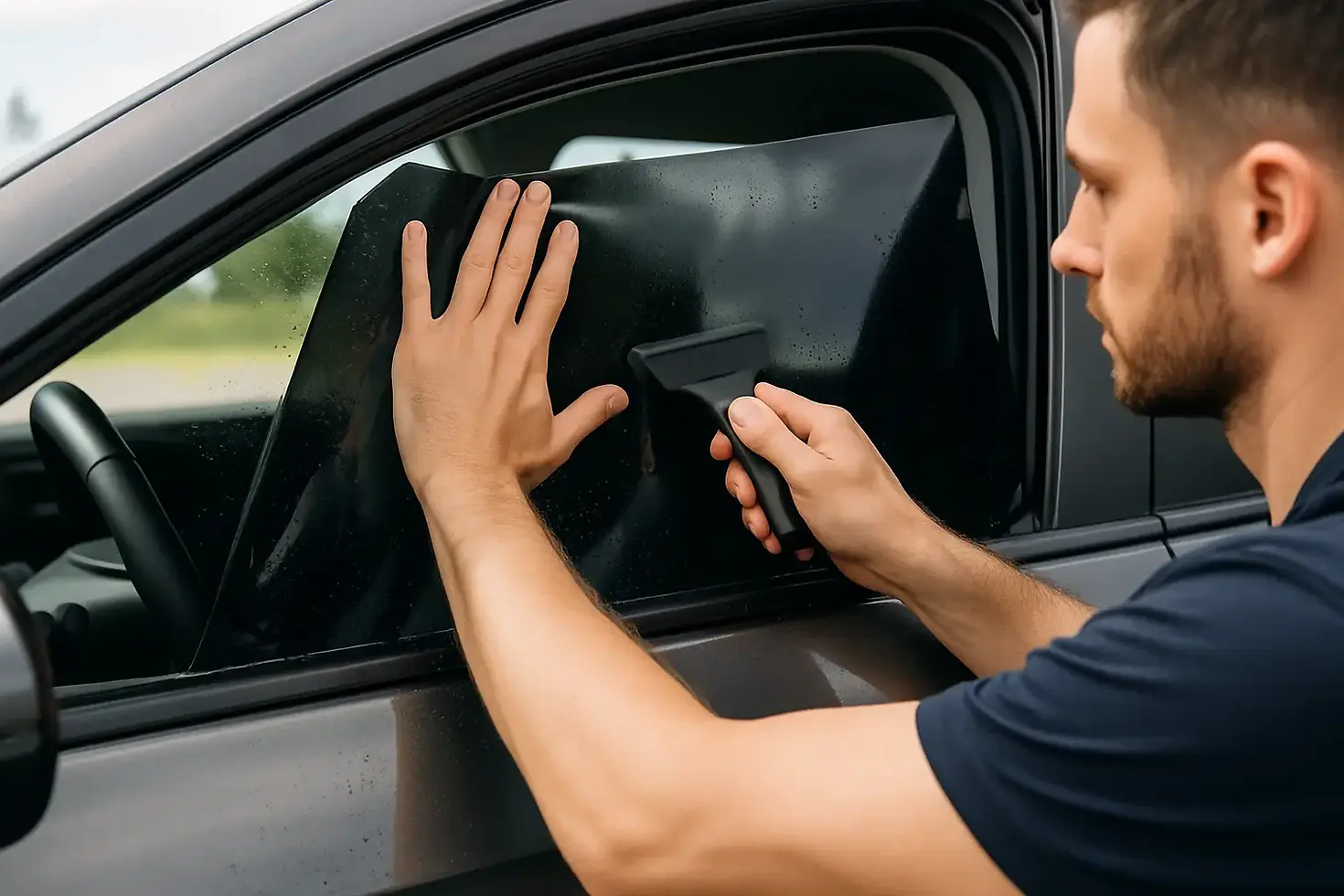
Best Window Tint for Heat Rejection

Your AC can be working overtime and you still feel it - that sharp, radiant heat on your forearm when the sun hits the driver-side glass. That is the moment most people realize “dark” is not the same thing as “cool.” If your goal is comfort, interior preservation, and a cabin that feels premium year-round, the best window tint for heat rejection is almost always a high-quality ceramic film installed correctly.
That said, “ceramic” is a category, not a magic word. Heat rejection depends on film construction, what the film blocks (infrared vs overall solar energy), glass type, and how you drive and park. Below is the straight, shop-floor version of what actually matters when you are choosing tint for heat.
What “heat rejection” really means in window tint
When customers ask for heat rejection, they are usually describing three different problems.
First is radiant heat - the sun feels like a heat lamp on your skin, even when the air in the cabin is cool. This is heavily tied to infrared (IR) energy.
Second is overall solar load - your dashboard, seats, and center console absorb energy and stay hot, which forces your AC to fight a losing battle. This is captured more broadly by Total Solar Energy Rejected (TSER).
Third is long-term interior damage - fading, drying, and cracking. That is mostly UV, and even mid-tier films can block a lot of UV, but premium films tend to do it more consistently and with stronger warranties.
You will see different numbers advertised: IR rejection, TSER, and sometimes “heat rejection” as a vague catch-all. If you want a cabin that feels meaningfully cooler in Spokane summers and easier to manage in shoulder seasons when the sun is low, TSER and real infrared performance matter more than darkness.
The tint types that matter for heat (and the trade-offs)
Ceramic film (the top choice for heat rejection)
If you are trying to solve the “sun on my skin” problem, ceramic is the leader for a reason. Ceramic films use nano-ceramic particles that are designed to reduce infrared penetration without relying on heavy dye. The result is strong heat control, excellent UV protection, and stable color over time.
The other advantage is signal friendliness. Quality ceramic films are typically non-metalized, which means they play nicely with GPS, Bluetooth, cellular reception, and modern vehicles that are basically computers on wheels.
The trade-off is cost. Ceramic is a premium material, and it should be paired with premium installation. If someone is offering “ceramic” at a bargain price, you are right to ask what brand it is, what the warranty covers, and whether the installer is cutting film on your glass or using computer-cut patterns.
Carbon film (a solid mid-tier option)
Carbon films tend to outperform dyed films for heat and longevity. They can offer respectable solar control, better fade resistance, and a clean charcoal look that stays consistent.
Where carbon usually falls behind ceramic is in that deep infrared comfort you feel during peak sun. If you want “noticeably cooler,” carbon can be good. If you want “luxury-cabin calm,” ceramic is the move.
Dyed film (mostly cosmetic, limited heat benefits)
Dyed tint is the entry-level option. It darkens the glass and can help with glare, but it is not the right answer if heat rejection is the priority. It also has a higher likelihood of color shifting or looking tired over time depending on brand quality.
If your main goal is heat, dyed film often turns into a false economy. You save up front, then you still fight heat and end up redoing it later.
Metalized and hybrid films (good numbers, modern compromises)
Some metalized or hybrid films can show strong performance metrics, but the metallic layer can interfere with signals and can create a slightly more reflective appearance.
If you drive a newer vehicle with advanced driver-assistance systems, multiple antennas, or you simply care about a clean, factory-like look, this category is usually not where we steer heat-focused clients.
The numbers to look at (without getting fooled)
A lot of marketing leans on a single big number. The reality is more nuanced.
TSER: the most honest “how much heat” metric
Total Solar Energy Rejected is the best single metric for overall cabin heat reduction because it accounts for multiple parts of the solar spectrum and how energy is managed. If you are comparing two films within the same brand family, TSER is typically the cleanest comparison.
IR rejection: great for comfort, but read the fine print
IR rejection can correlate strongly with that “sunburn-through-glass” feeling. But IR can be measured across different wavelength ranges, and brands do not always measure it the same way. A film claiming 90+ percent IR rejection may not translate into 90+ percent real-world cooling.
Use IR as a comfort indicator, then use TSER to sanity-check the overall heat story.
VLT: darkness is not the same as performance
Visible Light Transmission (VLT) is simply how much visible light passes through. Many premium ceramic films deliver high heat rejection at lighter VLTs, which matters if you want a bright cabin, a cleaner look, or better night visibility.
In other words, you can get cooler without going “limo.”
Picking the right tint strategy for Spokane and North Idaho driving
Heat rejection goals change depending on how you use your vehicle.
If you commute and park outside, windshield and front side glass are where you feel radiant heat most. If you have kids, pets, or a black interior, rear glass and panoramic roofs can become the main heat reservoir, trapping energy that lingers long after you start driving.
This is where “best” becomes situational. The best window tint for heat rejection on paper is premium ceramic, but the best result comes from tinting the right glass with the right film and staying compliant with Washington tint laws.
Windshield: the biggest heat win when done correctly
A clear or very light ceramic film on the windshield can make a surprising difference in perceived comfort because you are addressing the largest piece of glass facing the sun. It cuts infrared load and helps the cabin stabilize faster.
Not every shop is willing to do windshields, and not every installer has the cleanliness standards to do it without contamination. If your vehicle is an investment, the windshield deserves investment-level handling.
Front doors: where comfort meets legality
Front side windows are where most drivers feel heat and glare. A quality ceramic film here can change the entire driving experience. The “right” shade depends on your comfort, aesthetics, and local regulations, but performance does not require extreme darkness.
Rear doors and back glass: comfort for passengers and interior protection
Rear glass areas matter for overall cabin temperature, especially on SUVs and Teslas where the greenhouse effect is real. Tint here is less about what you feel on your skin and more about preventing the interior from storing heat.
Panoramic roofs and sunroofs: the hidden heat source
Large glass roofs can flood a cabin with energy. A specialized approach is often worth it, whether that is premium ceramic tint or dedicated protection films designed for that panel.
Real-world factors that change your results
Your factory glass may already be “privacy” but not “heat control”
Many SUVs come with dark rear privacy glass. It looks tinted, but it often does not provide the same heat rejection as a true performance film. Adding a ceramic film on top can still provide a noticeable improvement.
Dark interiors feel hotter
Black leather and dark trim absorb and retain heat. If your interior is dark, prioritize TSER and consider a windshield film to reduce the cabin’s overall thermal load.
Installation quality affects performance and longevity
Heat rejection is not only about the film. Contamination, edge lift, poor shrinking, and rushed installs can lead to bubbling, haze, and premature failure. A premium film installed poorly becomes a daily annoyance.
Look for clean edges, proper curing guidance, and a shop that treats your vehicle like a protected asset, not a quick turnaround.
So what is the best window tint for heat rejection?
For most drivers who want the highest level of comfort and interior preservation, the answer is a top-tier nano-ceramic film.
Choose ceramic if you:
Want the most noticeable reduction in radiant heat
Care about a stable, rich color that does not fade
Want minimal signal interference
Prefer strong performance even at lighter shades
Consider carbon if you:
Want better-than-basic heat performance at a lower price
Want a clean, non-reflective look
Are okay with slightly less peak comfort compared to ceramic
Skip dyed if heat is your main goal. It can look good on day one, but it is not built for the kind of thermal performance most people expect when they say “heat rejection.”
What we recommend when you want a showroom-calm cabin
The best approach is usually not a single “darkest legal” choice. It is a performance plan: ceramic on the windshield (when appropriate and legal), ceramic on the front doors for the heat you feel while driving, and matching high-performance film in the rear to stop the cabin from acting like a greenhouse.
If you want an install that matches the level of the film, book a consultation with Optyx Auto Studio and ask for a heat-focused tint package built around your vehicle, your daily parking situation, and the visibility you want at night.
A cooler cabin is nice. A cooler cabin that stays clean, clear, and warrantied for years is the point. Pick the film that performs, then insist on the kind of installation that respects the investment you drive every day.


Comments