
Ceramic Coatings for Cars: Lasting Protection and Shine
- optyxautostudio
- Jan 28
- 9 min read

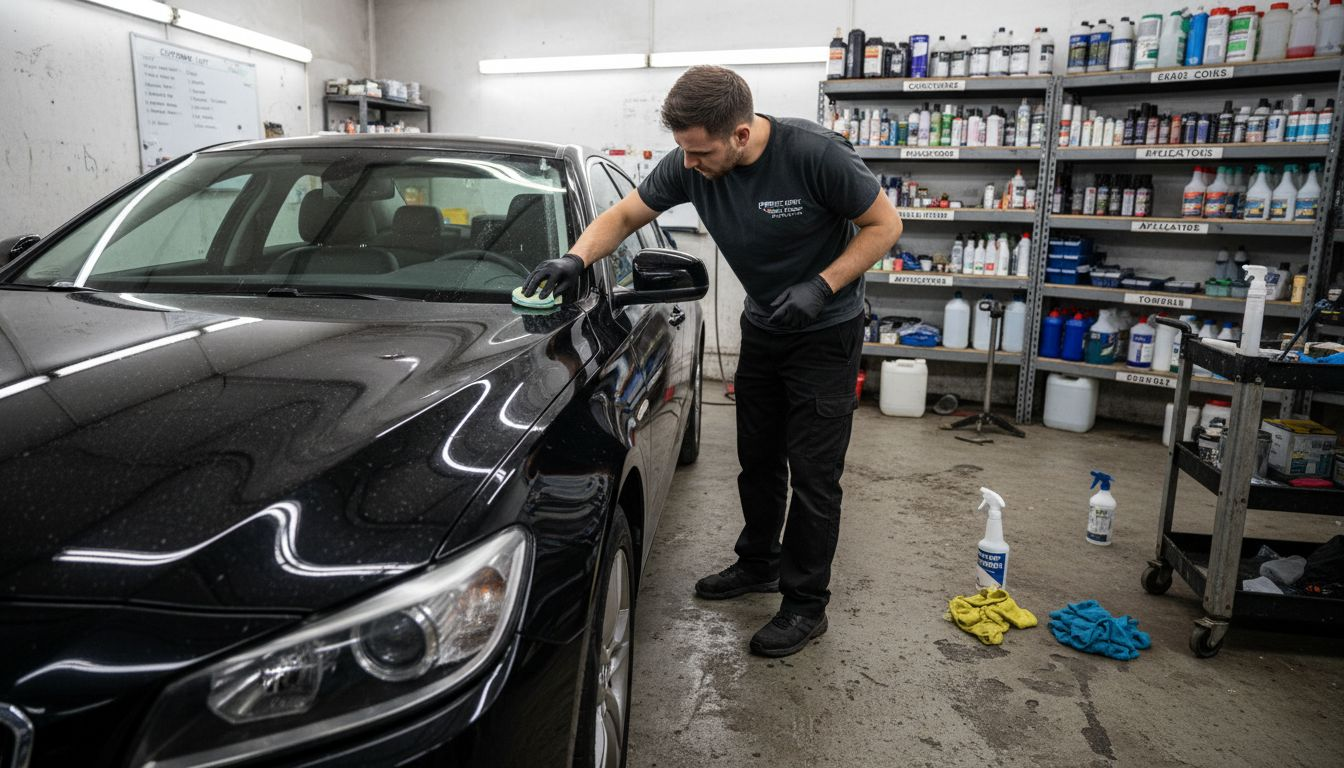
Driving a luxury vehicle through Spokane means facing everything from seasonal road grime to relentless ultraviolet rays. Maintaining that flawless finish is more than just routine washing or waxing. Ceramic coatings deliver a durable, chemically inert shield that resists both environmental wear and abrasive contaminants, far surpassing traditional methods. This guide reveals what ceramic coatings actually do, dispels common myths, and equips you to make confident choices that uphold the elegance and value of your prized automobile.
Table of Contents
Key Takeaways
Point | Details |
Understanding Ceramic Coatings | Ceramic coatings are advanced protective layers that offer superior defense against environmental damage compared to traditional waxing. |
Myths Debunked | Common misconceptions include beliefs that they are scratch-proof or permanent, but they do require professional application and maintenance. |
Types of Coatings | There are three main types of ceramic coatings: pure, polymeric, and hybrid, each offering different benefits in terms of durability and application. |
Maintenance Importance | Proper maintenance is crucial for maximizing the effectiveness of ceramic coatings, with careful attention needed to avoid common mistakes that can lead to degradation. |
Ceramic coatings defined and common myths
Ceramic coatings represent an advanced protective technology for automotive surfaces, offering far more sophisticated protection than traditional waxing methods. These specialized coatings are thin, non-metallic layers engineered to provide exceptional defense against environmental damage, creating a durable shield for your vehicle’s paintwork.
At their core, ceramic coatings are inorganic materials derived from polymeric precursors, scientifically designed to bond chemically with automotive surfaces. Unlike conventional protective treatments, these coatings create a molecular connection with the vehicle’s clear coat, generating a robust barrier that resists heat, chemicals, and mechanical wear.
Common myths about ceramic coatings often misrepresent their true capabilities. Here are the most prevalent misconceptions:
Not Completely Scratch-Proof: Despite marketing claims, ceramic coatings cannot prevent all scratches
Require Professional Application: High-quality ceramic coatings demand precise, professional installation
Not Permanent Solutions: Coatings degrade over time and need periodic reapplication
Limited to Paint Protection: Can actually protect multiple automotive surfaces beyond just paint
Understanding the realistic expectations of ceramic coatings is crucial for vehicle owners. While they offer superior protection compared to traditional methods, they are not magical solutions that eliminate all potential damage.
Ceramic coatings provide exceptional protection, but they are not an invincible armor for your vehicle.
Pro tip: Always consult professional automotive detailers to understand the specific maintenance requirements for your specific ceramic coating and vehicle type.
Types of ceramic coatings for vehicles
Ceramic coatings for automotive protection represent a sophisticated technology with multiple variants designed to meet diverse vehicle protection needs. These specialized treatments go far beyond traditional waxing methods, offering enhanced durability and comprehensive surface defense through distinct formulation approaches.
Vehicle owners can choose from three primary ceramic coating classification types:
Pure Ceramic Coatings: Characterized by extreme hardness and thermal resistance
Polymeric Ceramic Coatings: Providing superior flexibility and easier application
Hybrid Ceramic Coatings: Combining the best attributes of pure ceramics and polymers
Pure ceramic coatings offer maximum hardness and exceptional thermal stability. These coatings create an incredibly rigid protective layer but require complex high-temperature curing processes. Their primary advantage lies in providing maximum resistance against mechanical wear and extreme environmental conditions.
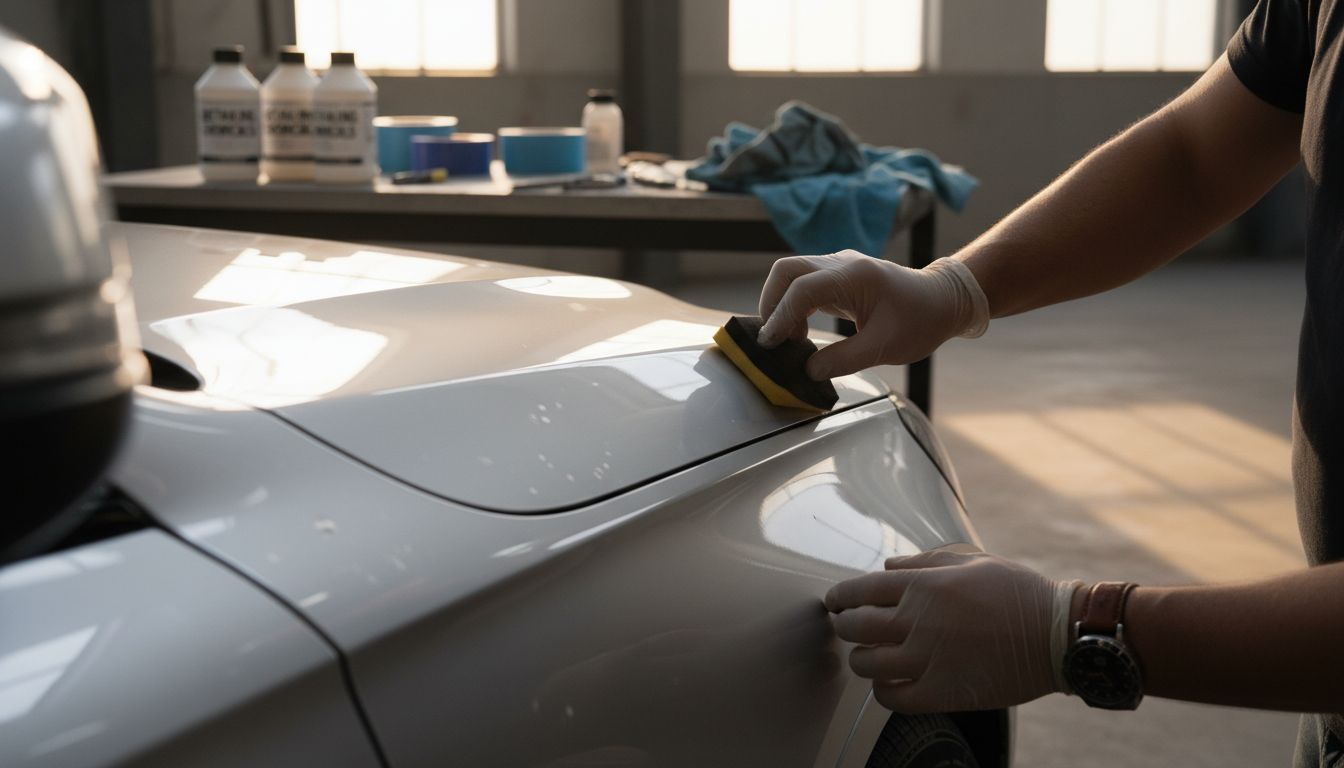
Polymeric ceramic coatings represent a more flexible alternative, designed for easier application and broader substrate compatibility. These coatings prioritize adaptability while still delivering substantial protective characteristics. They excel in scenarios requiring more dynamic surface coverage and can be applied with less complicated processing techniques.
Hybrid ceramic coatings emerge as the most sophisticated solution, strategically blending ceramic and polymeric technologies. These advanced formulations leverage the rigidity of ceramic materials with the flexibility of polymers, creating a comprehensive protective system that offers multiple performance benefits.
Hybrid ceramic coatings represent the pinnacle of automotive surface protection technology, delivering an optimal balance between durability and adaptability.
Modern automotive ceramic coatings frequently incorporate specialized silicon-based compounds and additional fillers to enhance performance characteristics like UV resistance, chemical stability, and scratch protection. The selection of a specific coating type depends on individual vehicle requirements, environmental exposure, and desired maintenance complexity.
Pro tip: Consult professional automotive detailing experts to determine the most appropriate ceramic coating type specific to your vehicle’s make, model, and typical usage conditions.
How ceramic coatings protect paint surfaces
Ceramic coatings represent a sophisticated defense mechanism for automotive paint, creating an invisible yet powerful shield against environmental threats. Ceramic coating technologies work by forming a chemically inert, ultra-thin protective layer directly bonded to the vehicle’s paint surface.
The primary protection mechanisms of ceramic coatings include:
Chemical Barrier: Preventing contaminants from penetrating paint layers
UV Resistance: Blocking harmful ultraviolet radiation that causes paint oxidation
Hydrophobic Protection: Repelling water and reducing potential staining
Micro-Scratch Prevention: Minimizing surface abrasions and wear
Molecular bonding is the cornerstone of ceramic coating protection. These advanced treatments create a permanent, chemically integrated layer that goes far beyond traditional waxing or sealant applications. The coating essentially becomes part of the paint surface, providing a robust defense against environmental challenges.
Environmental protection represents another critical function of ceramic coatings. By creating a hard, impenetrable barrier, these treatments significantly reduce the risk of paint degradation from acid rain, bird droppings, tree sap, and other corrosive substances. The hydrophobic properties mean that water and contaminants essentially slide off the surface, preventing long-term damage.
Ceramic coatings transform your vehicle’s paint from vulnerable to virtually invincible, offering unprecedented protection against environmental threats.
Modern ceramic coatings incorporate advanced composite technologies that enhance both protective capabilities and surface aesthetics. The combination of ceramic and metal-based compounds creates a multi-layered defense system that not only protects but also maintains the vehicle’s original paint brilliance and color depth.
Pro tip: Have your ceramic coating professionally applied to ensure maximum bonding effectiveness and long-term protective performance.
Benefits for luxury vehicle owners
Ceramic coatings represent a transformative solution for discerning luxury vehicle owners seeking unparalleled paint preservation and aesthetic enhancement. Ceramic coating technologies offer a comprehensive approach to maintaining a vehicle’s showroom-quality finish while providing exceptional long-term protection.
Key benefits for luxury vehicle owners include:
Prolonged Paint Preservation: Maintaining pristine exterior appearance
Enhanced Resale Value: Protecting the vehicle’s original finish
Reduced Maintenance Requirements: Minimizing frequent detailing needs
Superior Environmental Protection: Defending against UV rays, chemicals, and contaminants
Aesthetic maintenance stands as a critical consideration for luxury vehicle owners. Ceramic coatings create a mirror-like finish that amplifies the vehicle’s original paint depth and brilliance, ensuring that high-end automobiles continue to turn heads and reflect the owner’s commitment to excellence.
Beyond visual appeal, these advanced coatings provide substantial practical advantages. The hydrophobic properties mean that dirt, water, and environmental contaminants essentially slide off the surface, dramatically reducing the frequency and intensity of washing. This not only saves time but also prevents potential microscopic damage that can accumulate during traditional cleaning processes.
Ceramic coatings transform automotive protection from reactive maintenance to proactive preservation.
Economically, ceramic coatings represent a strategic investment for luxury vehicle owners. By creating a robust barrier against environmental degradation, these treatments help maintain the vehicle’s original paint condition, potentially preserving thousands of dollars in resale value. The coating’s ability to resist UV damage, chemical etching, and minor abrasions ensures that the vehicle remains in pristine condition far longer than traditional protective methods.
Pro tip: Invest in professional-grade ceramic coating application to maximize protection and ensure optimal bonding with your luxury vehicle’s paint surface.
Comparing ceramic coatings to other options
Navigating automotive paint protection options requires understanding the nuanced differences between various treatments. High-performance coating technologies offer multiple approaches to preserving a vehicle’s exterior, each with distinct advantages and limitations.
Key comparative characteristics include:
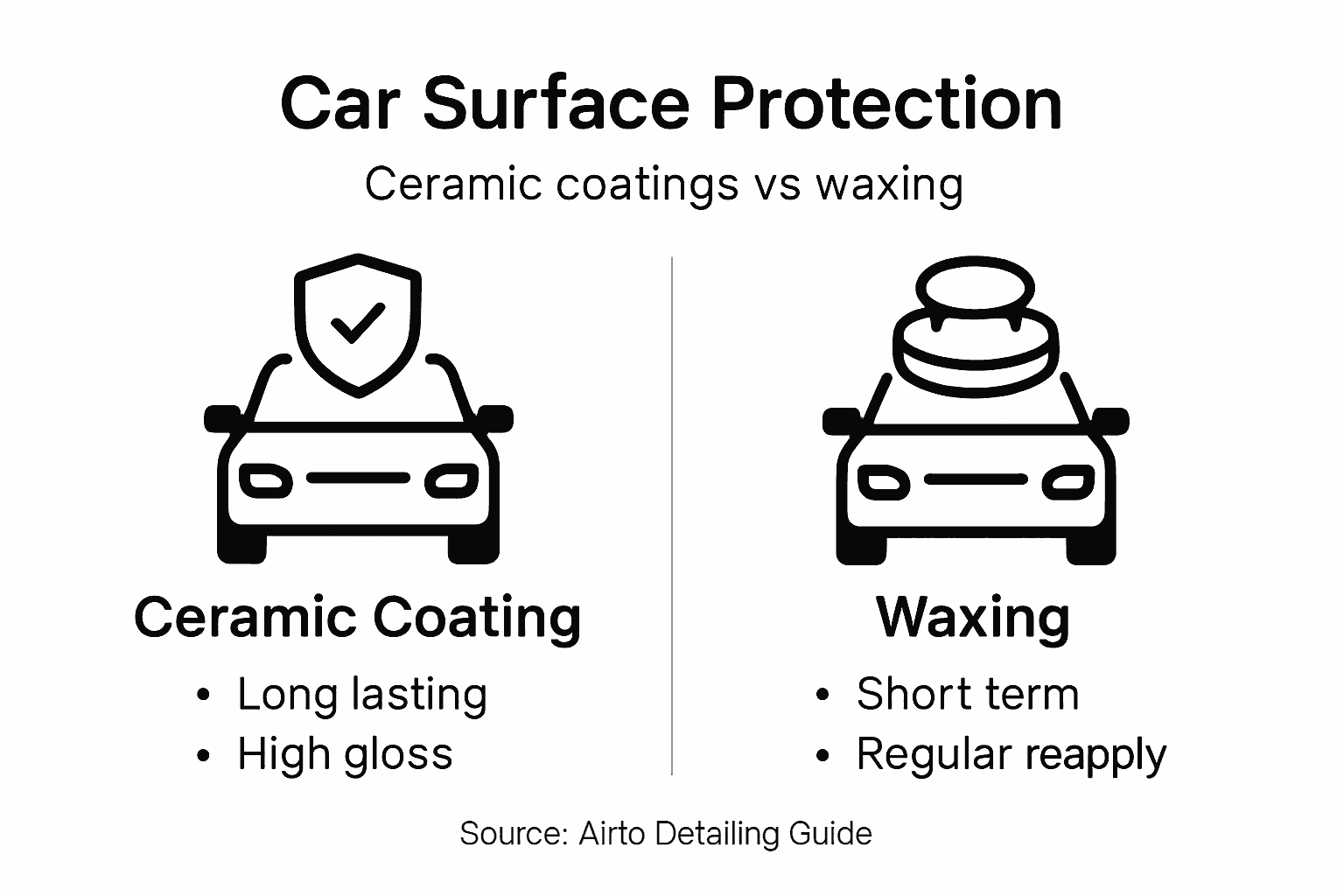
Wax: Temporary protection, lowest durability
Sealants: Moderate durability, synthetic polymer base
Paint Protection Film: Maximum physical impact resistance
Ceramic Coatings: Superior chemical resistance and longevity
Traditional waxing represents the most basic level of automotive surface protection. These treatments provide a temporary, thin layer that offers minimal defense against environmental contaminants. In contrast, ceramic coatings chemically bond with the vehicle’s paint, creating a permanent, molecularly integrated shield that dramatically outperforms traditional methods.
Here’s a concise comparison of automotive paint protection methods:
Protection Method | Durability | Application Complexity | Main Benefit |
Wax | Short-term (weeks) | Very simple | Enhances basic gloss |
Sealant | Medium (months) | Simple | Improved weather resistance |
Paint Protection Film | Long-term (years) | Professional required | Shields against rock chips |
Ceramic Coating | Long-term (years) | Professional ideal | Superior chemical resistance |
Paint protection films (PPF) offer robust physical protection against rock chips and minor abrasions, making them an excellent option for high-impact areas. However, ceramic coatings excel in providing comprehensive surface coverage with enhanced gloss, UV resistance, and chemical protection. While PPF focuses on physical defense, ceramic coatings deliver a more holistic approach to paint preservation.
Ceramic coatings represent the pinnacle of automotive surface protection, bridging the gap between aesthetic enhancement and comprehensive defense.
Economically, ceramic coatings demonstrate superior long-term value. Although the initial investment is higher than traditional waxing or sealants, the reduced maintenance requirements and extended protection period make them a more cost-effective solution for discerning vehicle owners.
Pro tip: Consult professional detailers to determine the most appropriate protection strategy based on your specific vehicle usage and environmental conditions.
Maintenance mistakes to avoid for durability
Ceramic coatings represent a sophisticated protective technology that requires meticulous maintenance to preserve its exceptional qualities. Ceramic coating maintenance protocols demand careful attention to prevent premature degradation and maintain optimal performance.
Common maintenance mistakes that can compromise ceramic coating durability include:
Using Harsh Chemical Cleaners: Destroying protective molecular bonds
Employing Abrasive Washing Tools: Creating microscopic surface damage
Skipping Proper Surface Preparation: Reducing coating adhesion
Neglecting Regular Professional Inspections: Missing early degradation signs
Surface preparation represents the critical first step in maintaining ceramic coating integrity. Improper initial application or contamination during the coating process can significantly reduce the protective layer’s effectiveness. Vehicle owners must ensure thorough decontamination and precise application conditions to maximize the coating’s protective capabilities.
Washing techniques play a pivotal role in ceramic coating preservation. Automatic car washes with aggressive brushes and harsh chemicals can rapidly deteriorate the protective layer. Instead, hand washing with pH-neutral soaps and soft microfiber towels provides the gentlest approach to maintaining the coating’s structural integrity and glossy finish.
The following table summarizes common ceramic coating maintenance errors and their consequences:
Maintenance Mistake | Immediate Impact | Long-Term Consequence |
Using harsh chemical cleaners | Weakens protective layer | Accelerated coating degradation |
Abrasive washing tools | Causes micro-scratches | Loss of gloss and surface defects |
Poor surface preparation | Reduces bond strength | Shortened coating lifespan |
Skipping professional checks | Misses early failure signs | Potential for unnoticed damage |
Ceramic coatings demand precision – one wrong move can compromise years of protection.
Environmental factors also significantly impact ceramic coating durability. Extreme temperatures, prolonged sun exposure, and harsh chemical contaminants can accelerate coating degradation. Regular professional inspections help identify potential issues before they become extensive problems, ensuring the long-term effectiveness of the protective layer.
Pro tip: Develop a consistent maintenance routine using manufacturer-recommended products and techniques to maximize your ceramic coating’s protective capabilities and aesthetic appeal.
Protect Your Vehicle With Expert Ceramic Coating Services
The article highlights that while ceramic coatings offer excellent protection against environmental damage, UV rays, and minor scratches they require professional application and proper maintenance to maximize durability and appearance. If you want to avoid common mistakes like using harsh chemicals or abrasive washing tools and ensure your vehicle benefits from advanced hybrid ceramic coatings that balance hardness and flexibility Optyx Auto Studio is your trusted partner. Our certified installers use precise techniques and top-tier products to deliver flawless application and long-lasting defense for your vehicle’s paint.
Experience the ultimate protection and shine that ceramic coatings provide combined with our full range of automotive enhancements including paint protection film and custom styling options. Take control of your car’s appearance and resale value today by trusting the experts at Optyx Auto Studio. Learn more about how professional ceramic coatings and expert care can preserve your vehicle’s finish by visiting Ceramic Coatings for Cars and schedule your upgrade now to enjoy premium, durable automotive protection.
Frequently Asked Questions
What are ceramic coatings for cars?
Ceramic coatings are advanced, inorganic protective layers designed to bond chemically with automotive surfaces, offering superior defense against environmental damage and creating a durable shield for the vehicle’s paintwork.
How do ceramic coatings protect car paint?
Ceramic coatings create a chemically inert, ultra-thin protective layer that acts as a barrier against contaminants, UV rays, and water, significantly reducing the risk of paint degradation and enhancing surface durability.
Can I apply a ceramic coating myself?
While some ceramic coatings are marketed for DIY application, high-quality products typically require professional installation to ensure proper bonding and maximize the protective benefits for your vehicle’s paint.
How long do ceramic coatings last?
Ceramic coatings are designed to be long-lasting but are not permanent solutions. They typically require reapplication every couple of years, depending on the coating type and maintenance practices.
Recommended


Comments