
Ceramic Window Tint Buying Guide
- optyxautostudio
- Mar 22
- 6 min read

A dark-looking film can fool a lot of buyers. Two vehicles can sit side by side, both appear sleek from the outside, and deliver completely different results once the sun hits the glass. That is exactly why a ceramic window tint buying guide matters. If you want better heat rejection, strong UV protection, stable color, and a clean factory-level finish, the film itself is only part of the decision. The installer, the film construction, and the fit on your specific vehicle matter just as much.
Ceramic tint sits at the premium end of the market for a reason. It is built for drivers who care about long-term performance, not just a darker look for a lower price. On a daily driver, that means a cooler cabin, less interior fading, and less strain on the A/C. On a luxury or performance vehicle, it means preserving comfort and appearance without compromising signal performance or settling for a cheap finish.
What ceramic window tint actually is
Ceramic window tint uses non-metallic, non-conductive ceramic particles within the film to manage solar energy. That sounds technical, but the real-world benefit is simple - it blocks a significant amount of heat and ultraviolet radiation without relying on dyed layers that tend to fade or metallic content that can interfere with electronics.
That last point matters more than many buyers realize. Modern vehicles are packed with technology. GPS, cell service, keyless entry, Bluetooth, satellite radio, and driver-assistance systems all benefit from a film that does not create signal problems. For Tesla owners and other drivers of tech-heavy vehicles, ceramic film is usually the better fit for that reason alone.
Ceramic tint also tends to maintain a more refined appearance over time. Lower-grade dyed films can shift color, turn purple, or lose their consistency. Premium ceramic films are designed for optical clarity, stable color, and durability, which is exactly what you want if the goal is a showroom appearance that still looks right years later.
Ceramic window tint buying guide: what to compare first
Most people start with shade percentage. That is understandable, but it should not be your first filter. Visible light transmission, or VLT, affects how dark the film looks, but darkness is not the same thing as performance.
A lighter ceramic film can outperform a darker low-end film when it comes to heat rejection and UV blocking. So before you choose a shade, compare the actual performance data. Look for total solar energy rejection, infrared heat rejection, and UV protection. Those numbers tell you whether the film is built to keep the cabin more comfortable and help protect the interior.
Then look at optical quality. Good ceramic tint should look clean from both inside and outside the vehicle. Haze, distortion, and inconsistent tone are all signs that you are not looking at premium material or premium installation. On a windshield strip, large side window, or expansive Tesla glass, even small flaws become obvious.
Finally, consider warranty coverage, but read it carefully. A warranty should cover issues like bubbling, peeling, cracking, delamination, and color instability. A strong warranty is a trust signal, but it does not replace proper installation. The best result comes from premium film installed with precision, not from paperwork alone.
Don’t buy tint by price alone
Cheap tint often looks fine on day one. The problem shows up later. Edges begin to lift. The finish develops contamination or trapped debris. The color shifts. Heat rejection falls short. What looked like savings at first turns into a removal and reinstallation job.
That is especially frustrating on higher-end vehicles, because poor tint work stands out immediately. Light gaps, uneven cuts, and contamination under the film are not minor cosmetic issues. They affect the entire presentation of the vehicle.
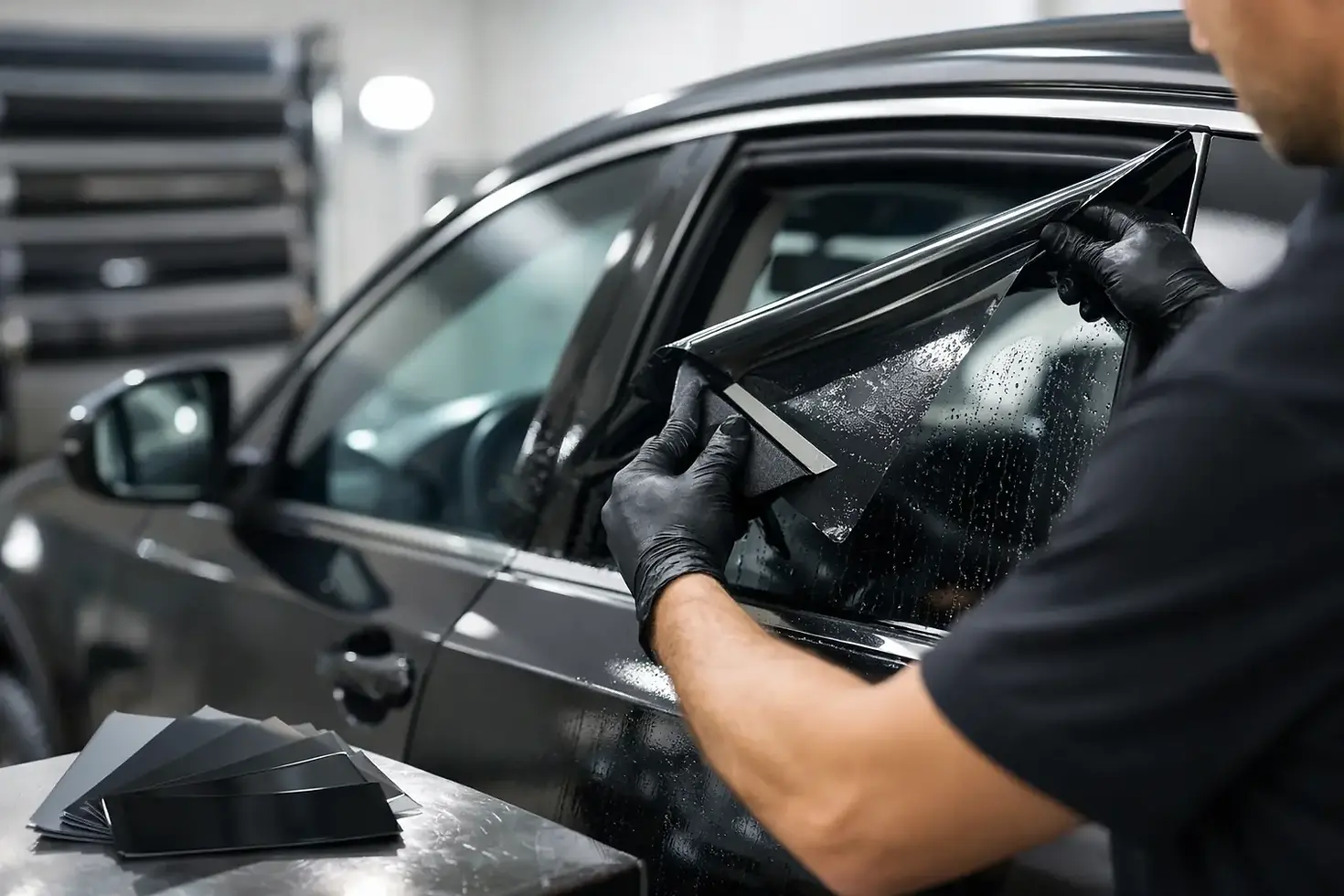
A premium tint installation should be measured by precision. Computer-cut patterns to factory specifications, controlled prep, clean glass, and careful handling all matter. If a shop cuts film by hand on the glass, works in a rushed environment, or cannot clearly explain the film they use, that is a risk. Good tint should look intentional, tight, and consistent - not like an afterthought.
Shade choice depends on your priorities
The right shade is not the same for every driver. Some want maximum privacy. Others want a refined factory-plus appearance. Some care most about reducing glare during long commutes, while others are trying to tame summer heat through large panoramic glass.
If you want a subtle, upscale look, a moderate shade often delivers the best balance. It sharpens the vehicle’s lines, improves comfort, and avoids an overly dark appearance. If privacy is the main goal, darker side and rear glass may make sense, but you still need to stay within local law.
Windshield tint requires even more care in the decision. A very light ceramic windshield film can make a major difference in heat and UV exposure without creating a dark look. For drivers in Eastern Washington and North Idaho, where summer sun and year-round glare can both be factors, that can be a smart upgrade. It is one of the best examples of why performance matters more than darkness.
Ceramic tint laws and practical limits
Before choosing a shade package, verify state and local tint laws. Legal limits vary by window location and vehicle type. A good shop should guide you clearly here, not leave you guessing.
This is where honest guidance matters. Some installers will sell whatever the customer asks for and let the legal consequences become someone else’s problem. A better approach is straightforward advice based on your goals, your vehicle, and what is compliant.
There is also a practical side beyond the law. Very dark film can reduce nighttime visibility, especially in rural areas, poorly lit roads, or winter driving conditions. If you regularly drive outside city centers, the best-looking option on paper may not be the most comfortable one after sunset. The right choice is the one that fits how you actually use the vehicle.
Questions to ask before you commit
A proper ceramic window tint buying guide should help you screen the installer, not just the film. Ask what brand and line of ceramic film they use. Ask whether patterns are computer cut. Ask what kind of warranty is included and what it covers. Ask how they prep the glass and whether they regularly work on vehicles like yours.
That last question is important. Frameless glass, tight seals, curved rear windows, and advanced electronics all add complexity. Tesla models, luxury sedans, and performance vehicles often require more precision than a generic install bay is prepared to deliver. Experience with your platform can make the difference between a clean, lasting finish and a job that starts showing flaws early.
You should also ask how the shop handles expectations around cure time and aftercare. Fresh tint needs time to settle. A trustworthy installer will explain what normal moisture or haziness may look like during curing, how long to wait before rolling windows down, and what cleaning methods protect the finish.
When premium installation is worth it
If you plan to keep the vehicle for years, premium ceramic tint is an easy case. You get daily comfort, better interior preservation, and a more finished look every time you walk up to the car. If you care about resale, clean tint also helps support the impression that the vehicle has been properly protected.
If you own a luxury vehicle, performance car, or Tesla, the case gets even stronger. Large glass areas create more heat load. Cabin materials are expensive to preserve. And visual flaws are easier to spot on cleaner, more minimal vehicle designs. In that context, high-end film and exact installation are not indulgences. They are part of responsible ownership.
For drivers in the Spokane area who want ceramic tint done with factory-level precision and no corner-cutting, Optyx Auto Studio reflects what this category should look like - honest guidance, premium materials, and installation standards that respect the vehicle.
The best ceramic tint choice is the one that holds up
The smartest buyers look past the sales pitch and focus on how the tint will perform six months, three summers, and several years from now. Will it still reject heat effectively? Will it still look clean at the edges? Will it still complement the vehicle instead of aging it?
That is the real standard. Not the cheapest quote. Not the darkest shade. Not the quickest appointment. Buy ceramic tint the same way you would choose any serious protection for your vehicle - based on material quality, installation discipline, and whether the result will still look right long after the new-car feeling wears off.


Comments