
Certified PPF Installer Spokane Drivers Trust
- optyxautostudio
- Mar 26
- 6 min read

Rock chips usually don’t announce themselves. One freeway run behind a gravel truck, one winter commute through Spokane sand and de-icer, and the front end of a clean vehicle starts showing the kind of damage that never really buffs away. That is why finding a certified PPF installer Spokane drivers can trust matters long before the first chip appears.
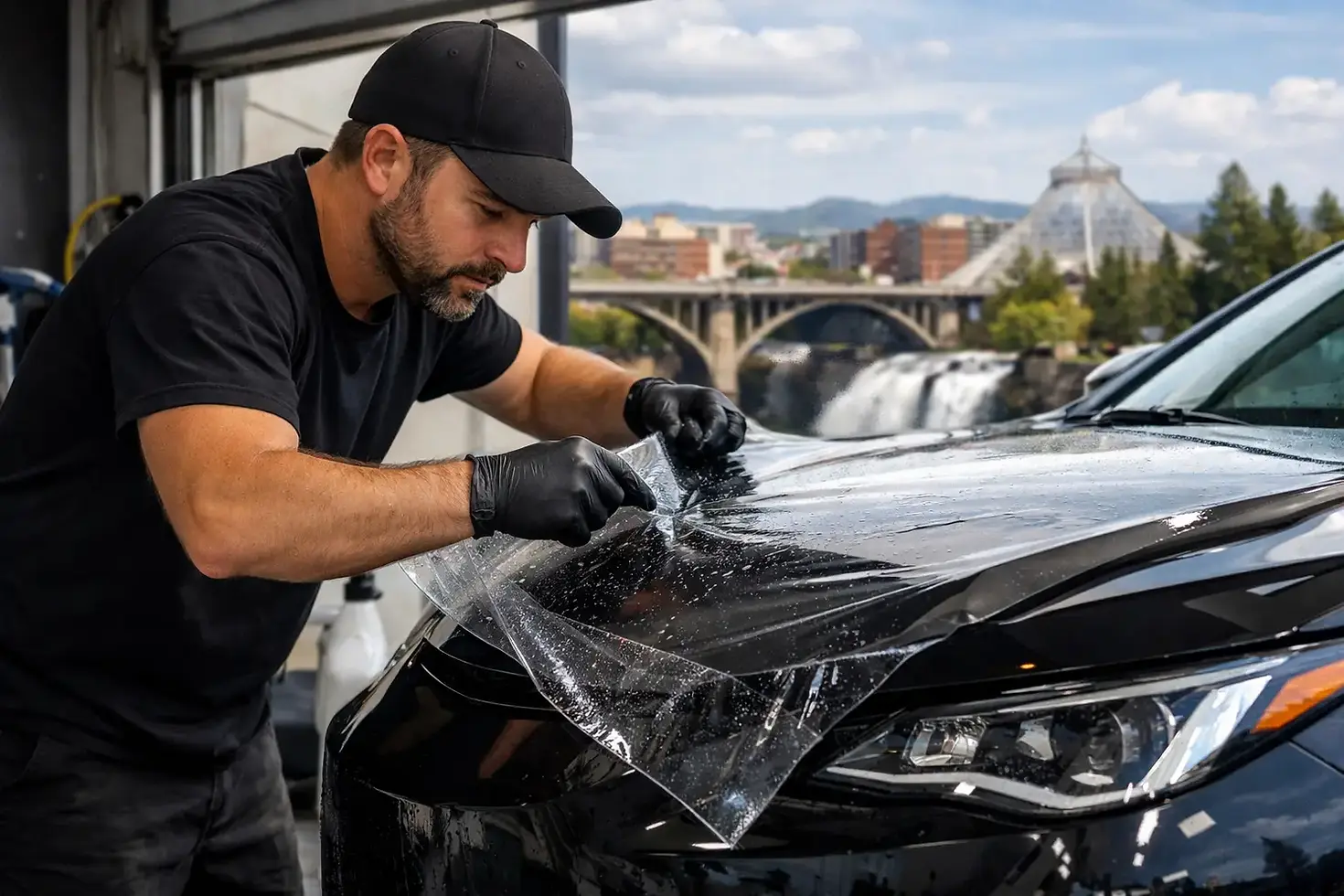
Paint protection film is not just a cosmetic add-on for exotic cars. It is a high-performance barrier designed to absorb daily abuse that would otherwise hit your paint, trim, headlights, pillars, and high-impact surfaces. But the film is only part of the equation. The installer, the prep, the patterning, and the discipline behind the process determine whether your vehicle leaves with true protection or with edges, contamination, and disappointment.
What a certified PPF installer in Spokane actually brings to the table
Certification should mean more than a logo on a wall. In a premium studio environment, it signals trained installation methods, familiarity with modern film construction, and a repeatable process that protects the vehicle at every stage. That matters because PPF is unforgiving. A rushed install can trap debris, leave tension in the film, distort edges, or create lift points that fail early.
A certified installer should understand how TPU PPF behaves across different panel shapes, temperatures, and stretch zones. They should know when a computer-cut factory-spec pattern is the right call and when a custom bulk approach may be required for a specific result. More importantly, they should know how to make those decisions without treating your vehicle like a practice panel.
For Spokane and North Idaho drivers, local conditions raise the stakes. Highway miles, seasonal road debris, UV exposure, bug acids, tree fallout, and winter grit all work against a showroom finish. Certification matters because the real job is not just laying film - it is preserving the look and value of the vehicle for years.
Why installation quality matters more than the film brochure
Most premium films promise self-healing, stain resistance, gloss retention, and impact protection. Those benefits are real, but only when the film is installed with precision. Even top-tier material can underperform if the paint is not decontaminated properly, edges are handled poorly, or the panel layout leaves vulnerable areas exposed.
This is where experienced, certified work separates itself from commodity installation. You want film aligned to body lines, tucked where appropriate, and applied with consistent slip and tack control. You want clean relief cuts, not random trimming against paint. You want pattern accuracy that respects sensors, badges, trim, and delicate finishes.
There is also a practical side to this. A bad install often costs more in the long run than doing it right once. Rework can mean wasted film, additional labor, adhesive cleanup, or even correcting installation damage. If you own a Tesla, luxury SUV, performance sedan, or a new daily driver you plan to keep pristine, the lowest quote is rarely the smartest number on the page.
The right coverage depends on how you drive
Not every vehicle needs the same PPF package. Some owners need front bumper, partial hood, mirrors, and fenders because they do mostly city driving. Others need a full front package because they spend serious time on I-90 or regional highways where impact zones get punished. Then there are owners who want a full-body wrap because they know exactly what replacement paintwork costs on a premium vehicle.
This is one of the biggest signs of an honest shop. A real professional does not push maximum coverage on every customer. They ask where you drive, how long you plan to keep the vehicle, what bothers you most, and what level of finish you expect. The right recommendation is based on use, not pressure.
A quality studio should also explain trade-offs clearly. Partial coverage can lower initial cost, but visible transition lines may bother meticulous owners. Full front protection gives a cleaner overall look and better impact defense on the most vulnerable panels. Full-body protection delivers the strongest long-term preservation, but it is a bigger investment up front. The answer depends on your standards, your vehicle, and how much exposure it sees.
What to look for in a certified PPF installer Spokane vehicle owners hire
The best shops are not guessing their way through your appointment. They have a system. First comes paint-safe prep and decontamination so the film goes onto a surgically clean surface. Then comes pattern selection, panel-by-panel planning, and careful install conditions that minimize contamination and maximize adhesion.
Ask how patterns are handled. Computer-cut factory-spec patterns are a strong sign of control because they reduce unnecessary blade work on the vehicle and create a more consistent fit. Ask what film construction they use and whether it includes self-healing and an elastomeric top coat. Ask how edges are finished and what warranty support looks like.
You should also pay attention to how the shop talks. If every answer sounds like a sales script, keep looking. Premium protection is a precision service. You want straight answers about expected results, curing time, maintenance, and limits. PPF is excellent at preventing chips, scratches, and chemical wear, but it is not magic armor. A trustworthy installer will tell you where it excels and where expectations need to stay realistic.
Why Spokane roads make PPF a smart investment
Spokane drivers do not need a lecture on road conditions. They live them. Freshly spread gravel, winter traction material, construction zones, bug-heavy summer drives, and sharp temperature swings all put pressure on painted surfaces. Dark colors show it fastest, but no finish is immune.
That is why PPF makes sense on more than just high-end weekend cars. New trucks, Teslas, family SUVs, sport sedans, and commuter vehicles all benefit when the owner cares about long-term condition. The front bumper takes the obvious hits, but rocker panels, lower doors, rear arches, A-pillars, and cargo ledges often tell the real story after a few seasons.
For owners who are serious about keeping a vehicle looking new, PPF works best as prevention, not repair. Once paint is chipped, touched up, or repainted, you are protecting a compromised surface. Installing film early gives you the best shot at preserving original finish quality and resale appeal.
PPF works even better when the rest of the protection plan makes sense
A well-protected vehicle is usually not relying on one service alone. Paint protection film handles impact zones and surface abuse. Ceramic coatings add hydrophobic behavior and make washing easier. Ceramic window tint helps manage heat and UV exposure inside the cabin. Windshield and sunroof protection can reduce the risk from road debris in vulnerable glass areas.
That does not mean every car needs every service. It means the best results come from a coherent strategy instead of random add-ons. If your goal is unbeatable protection with a showroom appearance, each layer should solve a real problem. A premium studio should be able to map that out clearly, without upsells and without shortcuts.
This is where a shop like Optyx Auto Studio stands out for the right audience. Drivers who see their vehicle as an investment do not want rushed retail work. They want certified precision installation, luxury-grade handling, and guidance that respects both the car and the owner.
The best result is the one you stop thinking about
Great PPF should not call attention to itself. You should notice that your paint keeps its depth, that your front end is not collecting chips, and that washing the vehicle still feels worth the effort months and years later. The protection should be quietly doing its job while the vehicle keeps its sharp, clean look.
That is why choosing a certified PPF installer in Spokane comes down to standards. Not just whether film gets installed, but how carefully the vehicle is prepared, how precisely the patterns fit, how honestly the options are explained, and how committed the shop is to long-term results.
If you are already particular about panel finish, gloss, and how your vehicle is handled, trust that instinct. The right installer will respect it. When the work is done properly, PPF is not an accessory. It is one of the smartest ways to keep a valuable vehicle looking the way it should the moment you drive it off the lot.


Comments