
6 Essential Steps for a Paint Protection Checklist
- optyxautostudio
- Feb 22
- 12 min read

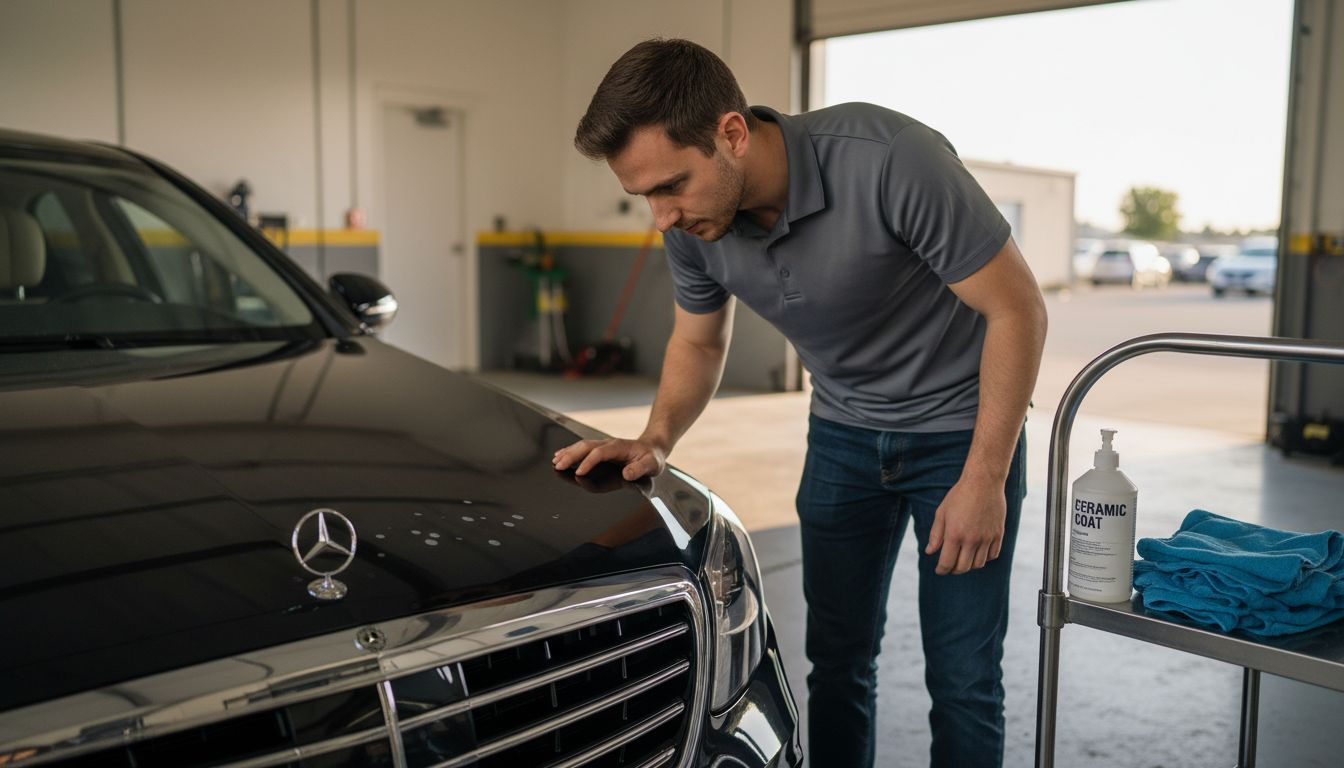
Keeping the paint on your luxury vehicle flawless can feel like a never-ending challenge. One overlooked surface imperfection or missed cleaning step can erode the beauty and value you’ve invested in. Spokane’s harsh winter conditions and intense summer sun add extra risk, making regular care even more important for your paint and headlights.
This list reveals practical steps you can use to spot paint defects, prepare your vehicle’s surfaces, and apply advanced protection that stands up to local weather. Each tip is designed to help you prevent costly repairs and keep your car looking showroom-new.
Ready to discover insider techniques that safeguard your investment and extend the lifespan of your finish? These numbered strategies give you confidence and clarity about protecting every vulnerable area on your luxury vehicle.
Table of Contents
Quick Summary
Key Insight | Explanation |
1. Regularly Inspect Paint | Conduct monthly inspections to catch imperfections early and maintain your vehicle’s appearance and value. |
2. Thoroughly Clean and Prep | Proper surface preparation is essential for ensuring paint protection adhesion and longevity; wash and decontaminate before applying any coatings. |
3. Choose Professional PPF Installation | Professional installation of Paint Protection Film is crucial for ensuring maximum protection and preserving the appearance of your luxury vehicle. |
4. Select Appropriate Ceramic Coatings | Choose high-quality ceramic coatings based on durability ratings and environmental conditions to provide long-lasting paint protection. |
5. Schedule Routine Maintenance | Implement a quarterly inspection and maintenance schedule to repair minor issues before they become costly and maintain your vehicle’s protective coatings. |
1. Inspect Your Paint for Imperfections
Your luxury vehicle’s paint is its first line of defense against the elements. A thorough inspection catches problems early before they become costly repairs.
Start by examining your paint under natural daylight, not in your garage under artificial lights. Different lighting reveals different issues. Move around your vehicle systematically, checking every panel from multiple angles.
What to look for during inspection:
Craters or pitting that look like small divots in the surface
Swirl marks and fine scratches visible in certain lighting
Dull spots where the coating appears less glossy than surrounding areas
Water spots or mineral deposits that won’t wipe away
Areas where the paint appears uneven or has lost its depth
Orange peel texture indicating application inconsistencies
Surface defects like craters and dewetting occur when contaminants interfere with paint adhesion during application. These imperfections not only diminish your vehicle’s appearance but also compromise the protective layer underneath.
Run your hand gently across the surface. Your fingertips are surprisingly sensitive and can detect texture variations your eyes might miss. Pay special attention to horizontal surfaces like the hood and roof, which collect more contaminants.
Catching paint imperfections early prevents them from spreading and protects your vehicle’s resale value.
Document any issues with photos taken in consistent lighting. This helps you track changes over time and provides reference material when discussing options with professionals. Close-up photographs with side lighting reveal details invisible to the naked eye.
Inspection frequency matters for luxury vehicles in the Spokane area. Your paint faces harsh winter conditions, UV exposure from intense summer sun, and road salt in surrounding Idaho regions. Monthly visual checks catch new issues quickly.
Pro tip: Inspect your paint immediately after heavy rain or snow melt, when water reveals surface irregularities you’d otherwise miss in dry conditions.
2. Clean and Prep the Vehicle Surface
Surface preparation is where paint protection truly begins. You cannot apply quality protection over dirt, contaminants, and old residue.
Start with a thorough wash using cool water and a quality car wash soap. Work from top to bottom, allowing gravity to help you. Two-bucket washing prevents dragging dirt back onto clean panels.
Preparation removes obstacles to protection:
Eliminates dirt and brake dust that compromise adhesion
Strips old wax or sealant that interferes with new coatings
Removes mineral deposits and water spots
Clears road salt and environmental contaminants
Prepares paint for maximum bonding strength
After washing, dry your vehicle completely with microfiber towels. Remaining water spots leave minerals that create weak spots in protective coatings. Pay attention to crevices around trim, door handles, and panel gaps where water hides.
Decontamination comes next. How to detail a car like a pro involves using clay bars or chemical decontaminants to lift embedded particles your wash missed. These microscopic contaminants include rail dust, industrial fallout, and tree sap residue.
Run your hand across the surface after clay treatment. It should feel smooth and slick, not rough or gritty. Any remaining roughness indicates more decontamination is needed.
Proper surface preparation ensures paint protection adhesion and longevity.
Regular cleaning and systematic maintenance protect your vehicle’s painted surfaces and extend their life. For luxury vehicles in Spokane’s harsh climate, this preparation step prevents long-term damage from UV exposure and winter conditions.
Inspect your vehicle in bright natural light after prep. The paint should appear deeper and more vibrant than before. This transformation shows you’ve removed the veil of contamination hiding your vehicle’s true finish.
If previous protective coatings exist, you may need light polishing to ensure new protection bonds properly. This removes any oxidation or degraded coating remnants.
Pro tip: Prep your vehicle on an overcast day or in shade to prevent water spots from forming during the drying process and to give yourself time to work without sun-induced spotting.
3. Apply Paint Protection Film Carefully
Paint protection film (PPF) is your vehicle’s invisible shield against road hazards. Proper application determines whether this investment truly protects your luxury finish or becomes a liability.
PPF is a thermoplastic urethane film that absorbs impact from stone chips, bug splatters, and minor abrasions before they reach your paint. It self-heals from minor scratches when exposed to heat, maintaining clarity and protection.
Key areas for PPF coverage include:
Hood and fenders for maximum stone chip protection
Bumpers and front splitters from road debris
Door handles and mirror backs from scratches
Rocker panels from salt and road spray
Headlights and taillights from cracks
Side skirts in high-impact zones
Application requires precision and expertise. Improper installation creates visible edges, wrinkles, and poor adhesion that compromise both appearance and protection. This is why professional PPF installation matters for luxury vehicles.
The application process involves carefully heating and stretching the film to conform to your vehicle’s curves. Certified installers understand how much tension to apply without creating stress points that cause peeling or edge separation.
Professional installation ensures flawless coverage and maximum protection longevity.
Edge work separates amateur from professional results. Edges must be carefully sealed and feathered into surrounding paint to prevent moisture infiltration. Sloppy edge sealing is why some PPF installations fail within months.
Post-installation care matters equally. Most PPF requires 24 to 48 hours of cure time before exposure to water or car washes. During this window, the adhesive fully bonds to your paint.
In the Spokane area’s harsh climate, PPF protects against UV damage, road salt, and aggressive weather. Your luxury vehicle’s paint can look showroom-new for years with quality film and proper installation.
Temperature during application affects results. Professional installers control shop temperature to ensure the film sets correctly. Cold conditions prevent proper adhesion, while excessive heat can cause film shrinkage issues.
Pro tip: Request a warranty from your installer that covers edge lift and adhesion failures, ensuring your investment is protected if anything goes wrong during the cure period.
4. Choose the Right Ceramic Coating
Not all ceramic coatings are created equal. Your choice determines how long your paint stays protected and how much maintenance your luxury vehicle requires.
Ceramic coatings are inorganic protective layers that bond to your paint at a molecular level. They provide exceptional hardness, UV resistance, and chemical protection that traditional wax cannot match.
Understanding coating composition helps you make an informed decision. Silicon-based polymeric and ceramic coatings offer excellent adhesion and customizable performance through different chemical formulations. Some coatings excel at heat resistance, while others prioritize UV protection or water beading.
Key properties to evaluate:
Durability rating measured in years of protection
Hardness rating on the Mohs scale (higher is better)
UV resistance to prevent paint fading
Water beading performance for hydrophobic properties
Self-cleaning capabilities from dirt shedding
Application method and curing time required
Your climate in the Spokane area and surrounding Idaho regions influences which coating works best. Intense summer UV demands superior sun protection. Winter salt exposure requires chemical resistance. You need a coating addressing both extremes.
The right ceramic coating transforms maintenance from weekly washing to monthly care.
Professional-grade coatings differ significantly from consumer products. Professional formulations offer longer protection periods, better adhesion, and superior durability. Consumer-grade options provide decent protection but require more frequent reapplication.
Consider your driving habits when selecting a coating. High-mileage drivers benefit from coatings with exceptional scratch resistance. Show car owners prioritize gloss depth and visual perfection.
Applications vary between single-layer and multi-layer systems. Layered coatings build protection thickness for enhanced durability. Single coats offer adequate protection at lower cost but fade faster.
Certified installers understand how different coatings perform in your specific climate and driving conditions. They recommend formulations proven to protect luxury vehicles in your region.
Pro tip: Ask installers about coating warranties that cover peeling, adhesion failure, and loss of hydrophobic properties, giving you confidence in your protection investment.
5. Protect Vulnerable Areas Like Headlights
Your headlights are among the most vulnerable components on your luxury vehicle. They face constant exposure to UV rays, road debris, and harsh weather that degrades clarity and reduces safety.
Headlights endure more punishment than you might realize. Stone chips, oxidation, and UV damage accumulate over time, turning once-clear lenses cloudy and yellow. This degradation reduces nighttime visibility and compromises your vehicle’s appearance.
Why headlight protection matters:
Maintains factory clarity and light output
Prevents costly replacement of entire headlight assemblies
Preserves your vehicle’s premium aesthetic
Ensures consistent nighttime visibility for safety
Protects against chemical damage from road salt
Maintains resale value of luxury vehicles
Headlight tinting and protection film shields these delicate surfaces from environmental hazards. Protective films are thin, optically clear layers that absorb impact and UV damage before it reaches the lens material itself.
Headlight assemblies are expensive to replace. A single factory headlight for a luxury vehicle can cost $800 to $2,000 or more. Protection film that costs $200 to $400 per pair prevents that financial hit.
The Spokane area presents unique challenges for headlights. Winter road salt corrodes headlight internals through microscopic cracks. Summer UV intensity fades and oxidizes plastic lenses. Protection film shields against both threats simultaneously.
Quality headlight protection is insurance against visibility problems and expensive replacements.
Fogged or yellowed headlights reduce visibility by up to 50 percent according to safety research. This increases accident risk during evening and night driving. Protection film prevents this degradation from ever occurring.
Tinting films add a customized appearance while maintaining safety-compliant light output. Properly applied films don’t reduce brightness enough to affect safety standards. They simply filter UV wavelengths before they damage the lens.
Tailor light protection to your driving habits. Highway drivers benefit most from full protection since exposure to debris increases at higher speeds. Local drivers still need protection from UV and salt exposure even at lower speeds.
Pro tip: Apply headlight protection film at the same time as your paint protection film installation to ensure professional application and maximum protection longevity.
6. Schedule Routine Maintenance and Touch-Ups
Protection doesn’t end after installation. Your paint protection system requires scheduled maintenance to remain effective throughout its lifespan.
Think of maintenance like renewing your vehicle’s insurance policy. Without it, you’re exposed to accumulating damage. Small issues become expensive problems quickly when left unaddressed.
Why maintenance schedules matter:
Catches edge lifting before it spreads across panels
Identifies coating degradation early for timely repairs
Maintains hydrophobic properties and water beading
Prevents contaminant buildup that damages protection
Extends the lifespan of your entire protection system
Preserves your vehicle’s resale value
Routine inspection and maintenance of paint systems preserve coating integrity and prevent degradation from environmental stress. Regular touch-ups keep protective qualities strong against road salt, UV rays, and harsh weather.
Establish a quarterly inspection routine. Every three months, examine your vehicle’s protected areas for chips, edge separation, or clouding. Early detection prevents small damage from becoming widespread problems.
Simple maintenance keeps protection effective. Wash your vehicle monthly with pH-balanced soaps designed for coated surfaces. Avoid harsh chemicals or abrasive washing methods that compromise film edges.
Scheduled maintenance is far cheaper than replacing damaged paint or protective coatings.
Touch-ups address minor damage before it spreads. A small chip caught early costs $50 to repair. The same damage left unattended can require $500 to $1,000 in professional restoration work.
Sealing edges quarterly prevents moisture infiltration that causes peeling. This simple maintenance task takes less than an hour and costs minimal investment. It extends your protection system’s life by years.
Document all maintenance and repairs. Keep records of inspections, touch-ups, and professional work performed. This documentation increases resale value by proving diligent care and protection maintenance.
In Spokane’s climate extremes, maintenance frequency matters more than in milder regions. Winter road salt and summer UV intensity require closer monitoring. Consider quarterly professional inspections if you drive frequently or park outdoors.
Pro tip: Schedule maintenance appointments during seasonal changes (spring and fall) to align inspections with peak environmental stress periods and catch emerging issues before weather intensifies.
Below is a comprehensive table summarizing the key points and strategies for maintaining and protecting the paintwork of luxury vehicles discussed in the article.
Main Topic | Key Points and Actions | Benefits and Outcomes |
Inspect Your Paint for Flaws | Examine paint under natural light, note imperfections such as scratches or dull spots, and document issues with photos. | Early detection of issues prevents spreading and maintains vehicle aesthetic and resale value. |
Clean and Prepare the Surface | Perform thorough washing, drying, and decontamination such as clay bar treatment. | Ensures optimal application of protective coatings and removes contaminants. |
Apply Paint Protection Film | Install thermoplastic urethane film professionally to vulnerable areas like the hood and bumpers. | Shields paint from stone chips, abrasions, and environmental damage. |
Select an Appropriate Ceramic Coating | Choose a coating based on durability, UV resistance, and maintenance needs; consult professionals for recommendations. | Longer-lasting protection with enhanced resistance to harsh elements specific to the vehicle’s environment. |
Protect Headlights | Use protective films or coatings on headlights to maintain clarity and prevent oxidation. | Improves visibility and protects against costly replacements. |
Implement Routine Maintenance | Schedule quarterly inspections, perform edge-repair tasks, and document maintenance activities. | Protects against escalating damage and extends protective treatments’ longevity. |
Elevate Your Paint Protection with Expert Care from Optyx Auto Studio
The article highlights the challenges of maintaining flawless paint on luxury vehicles by inspecting for imperfections, prepping the surface meticulously, selecting the right ceramic coating, and applying paint protection film with precision. These steps reveal common pain points like preventing swirl marks, protecting vulnerable areas such as headlights, and ensuring long-lasting adhesion under harsh conditions. You want your vehicle’s finish to stay showroom-ready while easing maintenance burdens and preserving its value.
At Optyx Auto Studio, we understand these goals deeply. Our certified installers specialize in delivering flawless paint protection film application using top-quality materials that resist edge lifting and environmental damage. We offer tailored ceramic coatings that provide superior UV resistance and hydrophobic properties perfectly suited for the extreme Spokane climate. With over 35 years of experience, we combine precise detail work and premium products to transform your vehicle’s protection and appearance.
Protect your investment today by trusting the experts who match every step of your paint protection checklist with industry-leading solutions. Visit Optyx Auto Studio now for a consultation and discover how our elite services keep your vehicle flawless no matter the conditions.
Frequently Asked Questions
How often should I inspect my vehicle’s paint for imperfections?
You should inspect your vehicle’s paint for imperfections at least once a month. Conducting these inspections helps catch any new issues early, maintaining both the appearance and value of your luxury vehicle.
What is the best way to prepare my vehicle’s surface before applying paint protection?
To prepare your vehicle’s surface, wash it using cool water and a quality car wash soap, followed by a thorough drying with microfiber towels. This ensures that all contaminants are removed, allowing for maximum bonding strength of your protective coatings.
How do I ensure proper application of paint protection film?
To ensure proper application of paint protection film, consider hiring a certified professional installer. A skilled installer will carefully heat and stretch the film to fit your vehicle’s curves, ensuring flawless coverage without visible edges or wrinkles.
What factors should I consider when choosing a ceramic coating for my vehicle?
When choosing a ceramic coating, evaluate properties such as durability, hardness rating, and UV resistance. Selecting a coating that matches your specific climate needs can significantly enhance the protection and reduce the frequency of required maintenance.
How can I maintain my paint protection system after installation?
To maintain your paint protection system, schedule routine inspections and clean your vehicle monthly with pH-balanced soaps. This simple maintenance can help extend the lifespan of your protective coatings and prevent small damages from turning into larger issues.
Why is it important to protect my headlights?
Protecting your headlights is crucial because they are exposed to UV rays and road debris, which can cause them to become cloudy and yellow over time. Applying protection film can preserve clarity and maintain safety during nighttime driving, preventing costly replacements.
Recommended


Comments