
The Science of Ceramic Coatings: Lasting Protection for Cars

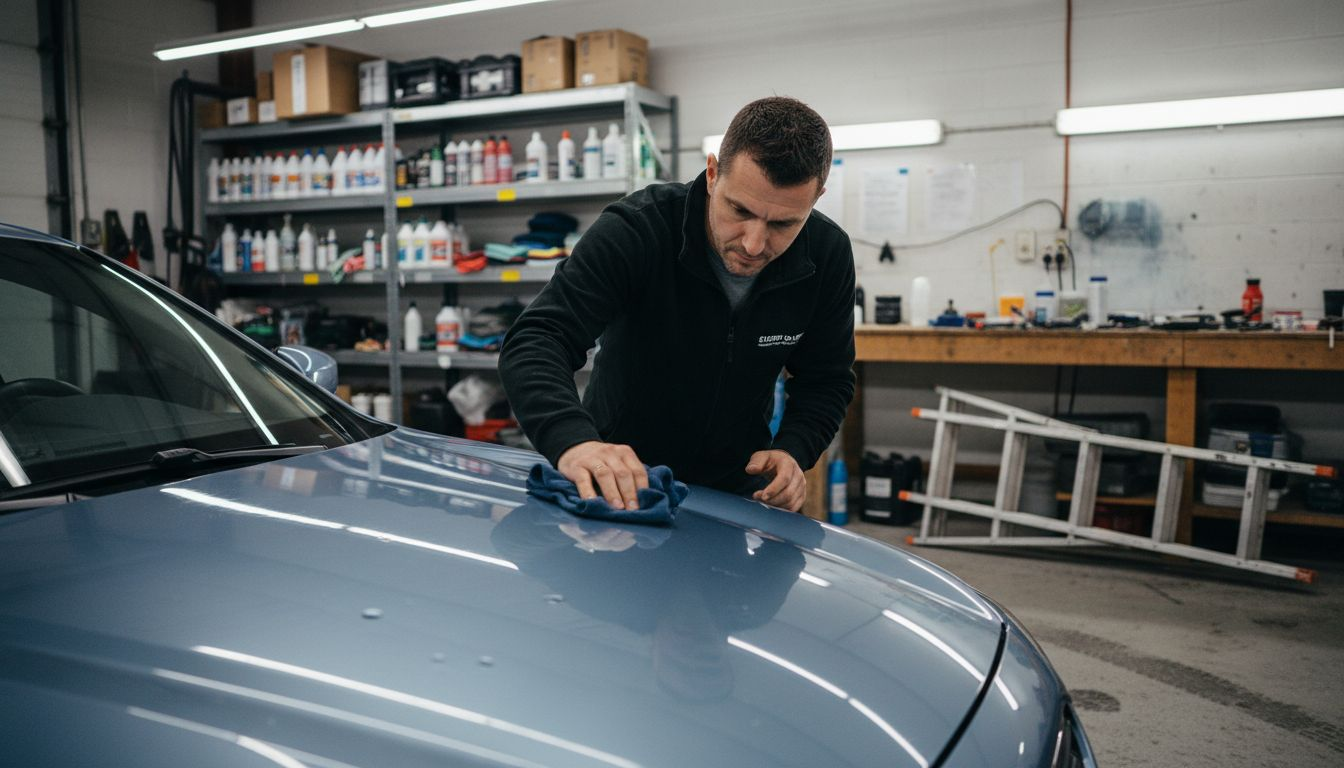
Most American luxury car owners are surprised to learn that ceramic coatings can last up to five times longer than traditional wax, changing the standard for vehicle surface care worldwide. Investing in advanced protection has become a priority for those who want both superior gloss and robust shield against harsh elements. This introduction explores how ceramic coatings deliver next-level defense, redefining expectations for automotive appearance and lasting value.
Table of Contents
Key Takeaways
Point | Details |
Ceramic Coatings Offer Superior Protection | These coatings bond at a molecular level, providing enhanced resistance to UV rays, scratches, and chemical stains compared to traditional waxing or sealant methods. |
Professional Application is Essential | Proper surface preparation and technique during installation are crucial to ensure long-lasting performance and to avoid application pitfalls. |
Variety of Coating Options Available | Different types of ceramic coatings exist, including professional-grade and consumer-grade, allowing consumers to choose based on protection needs and budget. |
Understand Limitations and Maintenance Needs | While ceramic coatings provide substantial benefits, they can have higher initial costs and require careful consideration of maintenance practices to maximize their effectiveness. |
What Are Ceramic Coatings and Their Purpose
Ceramic coatings represent a revolutionary protective technology designed to shield automotive surfaces from environmental damage and wear. These advanced protective layers are engineered using specialized nanoscopic materials that create an ultra-thin but incredibly resilient barrier across vehicle exteriors. Ceramic coating technologies have received significant attention from researchers for their exceptional performance characteristics.
At their core, ceramic coatings are liquid polymer solutions containing microscopic ceramic particles that chemically bond with a vehicle’s original paint surface. Once applied and cured, these coatings transform into a hard, glass-like protective layer that dramatically enhances a car’s resistance to multiple forms of environmental stress. Their primary purposes include:
Protecting against UV radiation
Preventing chemical staining
Reducing oxidation and paint degradation
Creating a hydrophobic surface that repels water and dirt
Providing enhanced scratch resistance
The scientific principles behind ceramic coatings are rooted in advanced materials engineering. Ceramic coatings have exceptional properties including high hardness, thermal shock resistance, and superior corrosion behavior, making them far more sophisticated than traditional waxing or sealant methods. By creating a permanent molecular bond with the vehicle’s paint, these coatings provide lasting protection that can endure significantly longer than conventional automotive surface treatments.
Pro tip: Always have ceramic coatings professionally applied to ensure maximum durability and optimal chemical bonding with your vehicle’s paint surface.
Types of Ceramic Coatings for Vehicles
Automotive ceramic coatings represent a sophisticated range of protective technologies engineered to provide superior surface protection for vehicles. Smart ceramic coatings are utilized across the automotive industry to enhance functional capabilities and design aesthetics, with multiple distinct formulations available to meet varying performance requirements.
The primary categories of ceramic coatings for vehicles include:
Professional-Grade Ceramic Coatings
Ultra-durable, multi-year protection
Professional application required
Highest level of chemical resistance
Consumer-Grade Ceramic Coatings
Easier DIY application
Shorter durability (1-2 years)
More affordable options
Hybrid Ceramic Coatings
Combine ceramic and polymer technologies
Enhanced flexibility and bonding
Intermediate performance characteristics
Comparative research on paint protection technologies reveals significant differences between ceramic, wax, and hybrid formulations, with ceramic coatings demonstrating superior performance across multiple protective metrics. These coatings provide exceptional hardness, hydrophobic properties, and resistance to environmental challenges like UV radiation, chemical staining, and mechanical abrasion.
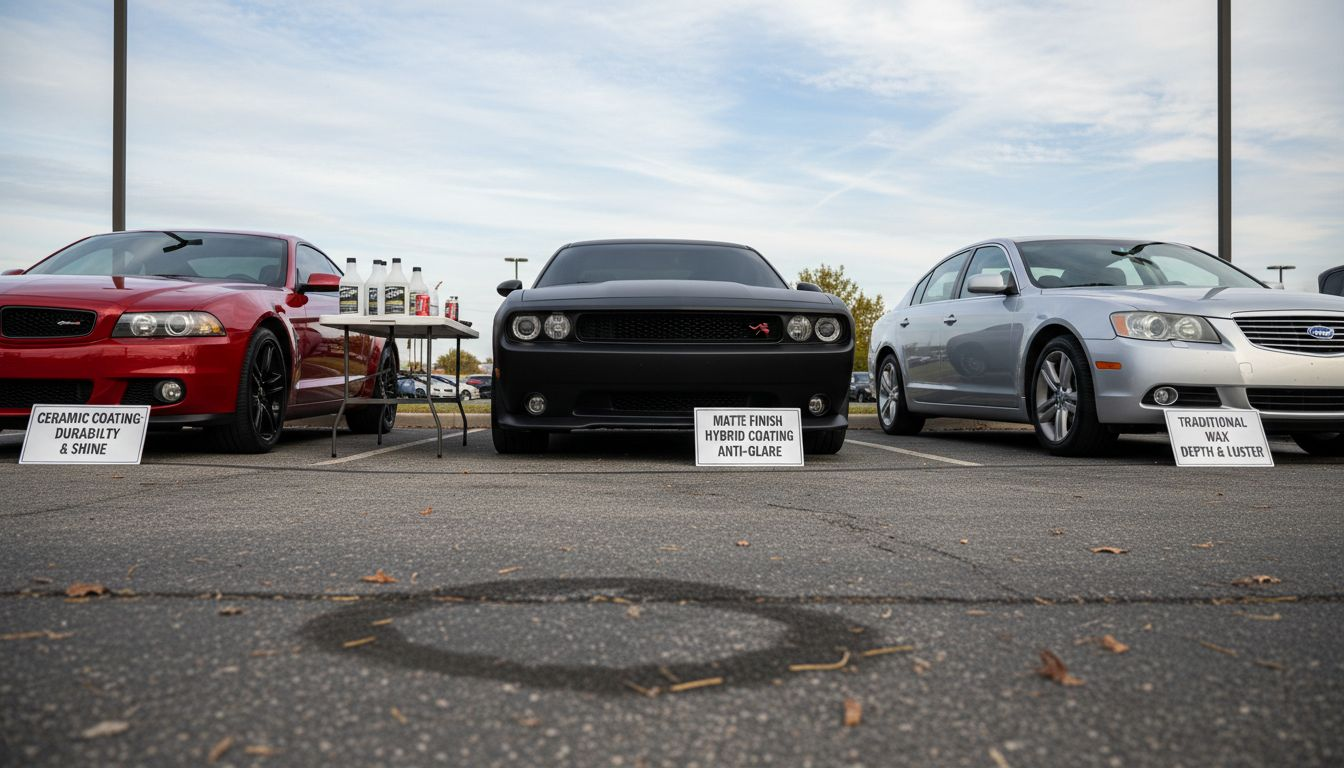
Depending on vehicle type, usage conditions, and owner preferences, different ceramic coating technologies offer tailored solutions. Luxury vehicle owners often prefer professional-grade applications, while more budget-conscious consumers might select consumer-grade options that still provide substantial protection.
Pro tip: Consider your specific driving environment and vehicle usage when selecting a ceramic coating, as performance characteristics can vary significantly between different formulation types.
How Ceramic Coatings Protect and Function
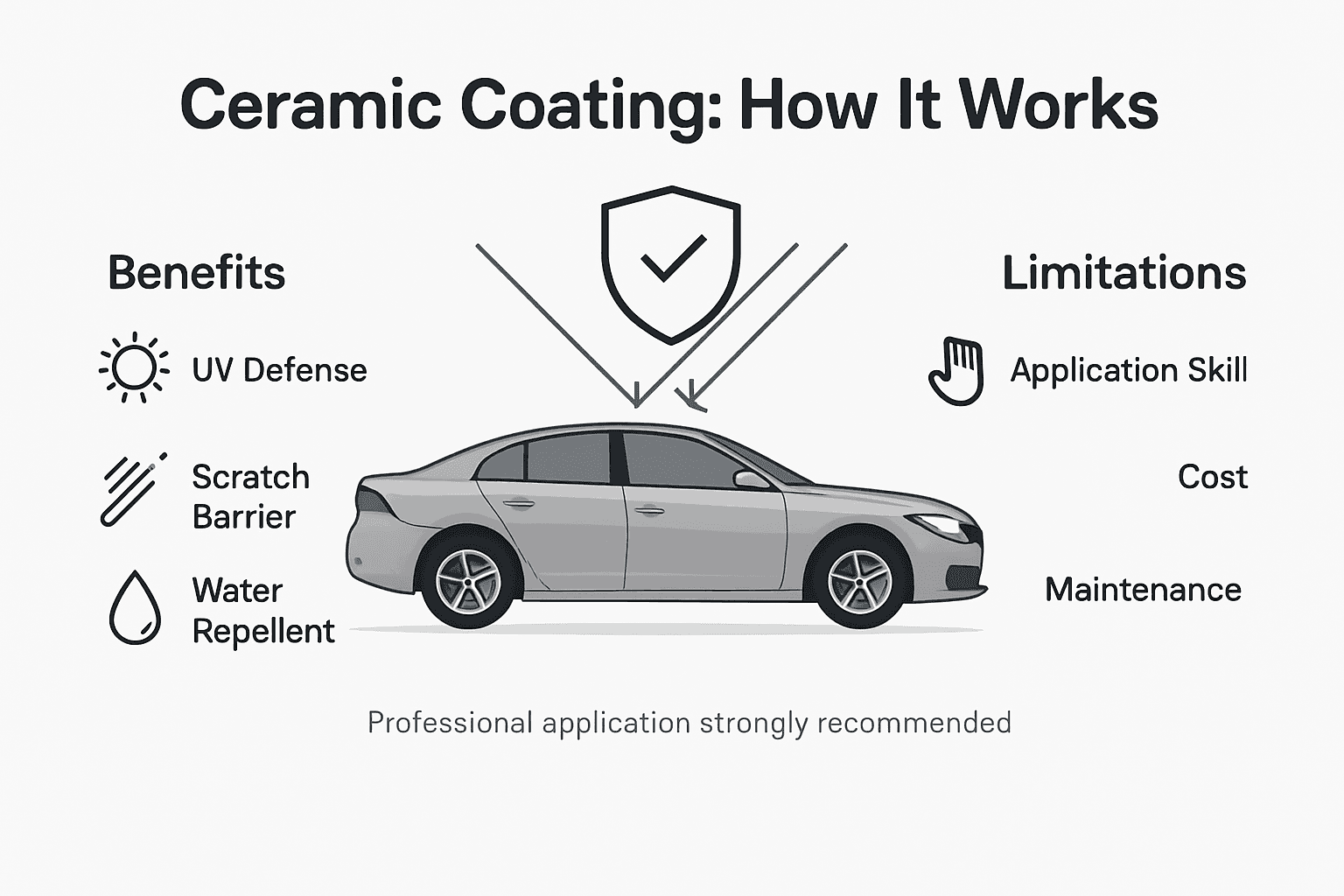
Ceramic coating technologies represent a sophisticated molecular defense system for automotive surfaces, utilizing advanced chemical engineering principles to provide comprehensive protection. These coatings consist primarily of silicon dioxide that chemically bonds to substrate surfaces, creating a hard and hydrophobic protective layer, which fundamentally transforms how vehicles resist environmental damage.
The protection mechanism of ceramic coatings operates through several key scientific principles:
Molecular Bonding
Covalent attachment to vehicle paint
Creates permanent protective barrier
Prevents contaminant penetration
Surface Tension Manipulation
Reduces surface energy
Enables water and dirt repellency
Minimizes potential for staining
Microstructural Shielding
Nanoscopic layer prevents direct surface contact
Absorbs minor mechanical impacts
Distributes environmental stress
Unlike traditional waxing or sealant methods, ceramic coatings provide a scientifically engineered solution that goes beyond surface-level protection. The coating’s microscopic structure actively repels contaminants while maintaining the underlying paint’s original aesthetic qualities. This means vehicles receive comprehensive protection against ultraviolet radiation, chemical etching, oxidation, and mechanical abrasion.
The application process requires precision and expertise, as the ceramic coating’s effectiveness depends entirely on proper surface preparation and professional installation. Technicians must meticulously clean, decontaminate, and sometimes correct the paint surface before applying the coating to ensure optimal molecular adhesion and long-term performance.
Pro tip: Invest in professional ceramic coating installation to maximize the protective potential and ensure proper molecular bonding with your vehicle’s paint surface.
Benefits and Limitations of Ceramic Coatings
Ceramic coatings represent a sophisticated automotive protection technology with remarkable performance characteristics and specific constraints. These advanced coatings significantly improve surface properties by offering multiple protective benefits, presenting vehicle owners with a complex array of advantages and potential drawbacks.
The key benefits of ceramic coatings include:
Protection Advantages
Superior corrosion resistance
Enhanced UV damage prevention
Significant scratch mitigation
Self-cleaning surface properties
Aesthetic Benefits
Long-lasting paint preservation
Enhanced vehicle shine
Consistent surface appearance
Performance Characteristics
Extreme durability
Chemical contaminant resistance
Hydrophobic surface qualities
Ceramic coating effectiveness depends critically on fabrication techniques and microstructural quality, with inherent limitations that potential users must carefully consider. While these coatings offer exceptional protection, they are not infallible. Potential drawbacks include higher initial application costs, complex installation requirements, and potential microstructural brittleness under extreme mechanical stress.
Professional automotive enthusiasts and detail-oriented car owners appreciate ceramic coatings for their scientific approach to vehicle surface protection. Unlike traditional waxing methods, these coatings provide a molecular-level defense mechanism that transforms how vehicles interact with environmental challenges. However, proper expectations and professional application remain crucial for achieving optimal results.
Pro tip: Consult with certified automotive protection specialists to understand the specific performance limitations and best application practices for ceramic coatings in your unique driving environment.
Comparing Ceramic Coatings to Other Solutions
Vehicle surface protection represents a complex technological landscape with multiple competing solutions. Ceramic coatings provide superior protection against wear and corrosion compared to traditional polymers, metals, and glasses, offering automotive enthusiasts a scientifically advanced alternative to conventional protection methods.
A comprehensive comparison of surface protection technologies reveals key distinctions:
Ceramic Coatings
Molecular-level bonding
Extreme durability
Comprehensive environmental resistance
Higher initial investment
Wax Coatings
Temporary surface protection
Low cost
Requires frequent reapplication
Minimal chemical resistance
Polymer Sealants
Moderate durability
Easier application
Limited environmental protection
Shorter lifespan
Advanced ceramic coatings demonstrate exceptional performance across multiple industries, outperforming conventional coating technologies through superior hardness and protective capabilities. Unlike traditional solutions that merely sit on the surface, ceramic coatings create a chemically bonded protective layer that integrates directly with the vehicle’s paint, providing unparalleled defense against environmental challenges.
The technological superiority of ceramic coatings becomes evident when examining their performance characteristics. Traditional solutions like wax offer superficial, short-term protection, whereas ceramic coatings provide a comprehensive, long-lasting defense mechanism that preserves vehicle aesthetics and structural integrity. The higher initial investment translates into significantly reduced maintenance costs and enhanced visual appeal over time.
Below is a summary table comparing ceramic coatings, wax, and polymer sealants for vehicle protection:
Protection Method | Expected Lifespan | Environmental Resistance | Typical Maintenance Frequency |
Ceramic Coating | 2–5 years (professional-grade) | Highest—resists UV, chemicals, scratches | Once per application cycle |
Wax | 3–6 months | Lowest—limited to basic contaminants | Every few months |
Polymer Sealant | 6–12 months | Moderate—protects against air & water | Semiannual to annual |
This table highlights differences in longevity, resistance, and required upkeep for each solution.
Pro tip: Consider the long-term value of ceramic coatings by calculating the cumulative costs of repeated traditional protection methods versus a single professional ceramic coating application.
Common Pitfalls in Ceramic Coating Applications
Ceramic coating applications require precision and expertise, with numerous potential challenges that can compromise the protective performance. Critical factors affecting ceramic coating performance include selection of deposition techniques and process parameters, which directly impact the coating’s long-term durability, making professional application essential for optimal results.
The most significant pitfalls in ceramic coating applications include:
Surface Preparation Errors
Inadequate paint decontamination
Insufficient surface correction
Presence of microscopic imperfections
Trapped contaminants beneath coating
Application Technical Challenges
Uneven coating thickness
Improper chemical bonding
Environmental contamination during application
Inconsistent curing processes
Performance Limitation Risks
Premature coating degradation
Reduced protective capabilities
Aesthetic inconsistencies
Unexpected wear patterns
Non-professional applications frequently result in significant coating failures. Microscopic imperfections can lead to cracking, porosity, and inhomogeneity that compromise the entire protective system. Vehicle owners attempting DIY applications often underestimate the complexity of achieving a uniform, molecularly bonded protective layer that can withstand environmental challenges.
The investment in ceramic coatings demands meticulous attention to detail. Professionals utilize specialized tools, controlled environments, and advanced techniques to minimize application risks. Understanding these potential pitfalls helps vehicle owners appreciate the value of expert installation and the intricate science behind effective ceramic coating protection.
For a quick reference, here is an overview of ceramic coating application pitfalls and their consequences:
Application Error | How It Occurs | Negative Outcome |
Poor Surface Preparation | Incomplete cleaning or correction | Reduced adhesion, early failure |
Uneven Layer Application | Inconsistent thickness or spread | Weak spots, visual inconsistencies |
Environmental Contamination | Dust or moisture during curing | Bubbling, compromised protection |
Insufficient Curing | Not following timing protocols | Subpar durability and resistance |
Reviewing these risks can help ensure proper ceramic coating results.
Pro tip: Always verify a ceramic coating specialist’s certification and previous work portfolio before entrusting them with your vehicle’s surface protection.
Unlock Unmatched Protection with Professional Ceramic Coatings
If you are seeking lasting protection that defends your vehicle against UV damage, chemical stains, and scratches ceramic coatings are the ultimate solution. This article highlighted the importance of expert surface preparation and molecular bonding to maximize durability and hydrophobic benefits. At Optyx Auto Studio, we understand that precision and quality are non-negotiable when it comes to protecting your car’s paint. Our certified installers use advanced techniques and top-tier products to deliver the highest level of protection that truly lasts.
Experience the advantage of professional-grade ceramic coatings combined with meticulous paint correction and paint protection film for unparalleled defense. Do not risk common pitfalls like improper application or surface contamination when the beauty and value of your vehicle are at stake. Visit Optyx Auto Studio today to explore our comprehensive protection services and secure your appointment. Your vehicle deserves nothing less than expert care that stands the test of time.
Frequently Asked Questions
What are ceramic coatings and how do they work?
Ceramic coatings are liquid polymer solutions containing microscopic ceramic particles that chemically bond to a vehicle’s paint surface, creating a hard, glass-like protective layer. This layer enhances resistance to environmental stress such as UV radiation, chemical staining, oxidation, and mechanical abrasion.
How long do ceramic coatings last compared to traditional wax or sealant?
Ceramic coatings can last 2 to 5 years with professional application, significantly longer than traditional waxes which typically last 3 to 6 months, and polymer sealants that last around 6 to 12 months.
Can I apply a ceramic coating myself, or should I hire a professional?
While consumer-grade ceramic coatings are available for DIY application, professional-grade coatings require expert installation to ensure maximum durability and optimal chemical bonding with the vehicle’s paint. Professional application helps avoid common pitfalls like inadequate surface preparation and uneven application.
What are the key benefits of using ceramic coatings for my car?
Ceramic coatings offer multiple benefits including superior corrosion resistance, enhanced UV damage prevention, significant scratch mitigation, easy maintenance due to self-cleaning properties, and long-lasting aesthetic enhancement of the vehicle’s paint surface.
Recommended


Comments