
7 Step Paint Correction Checklist for Flawless Finishes

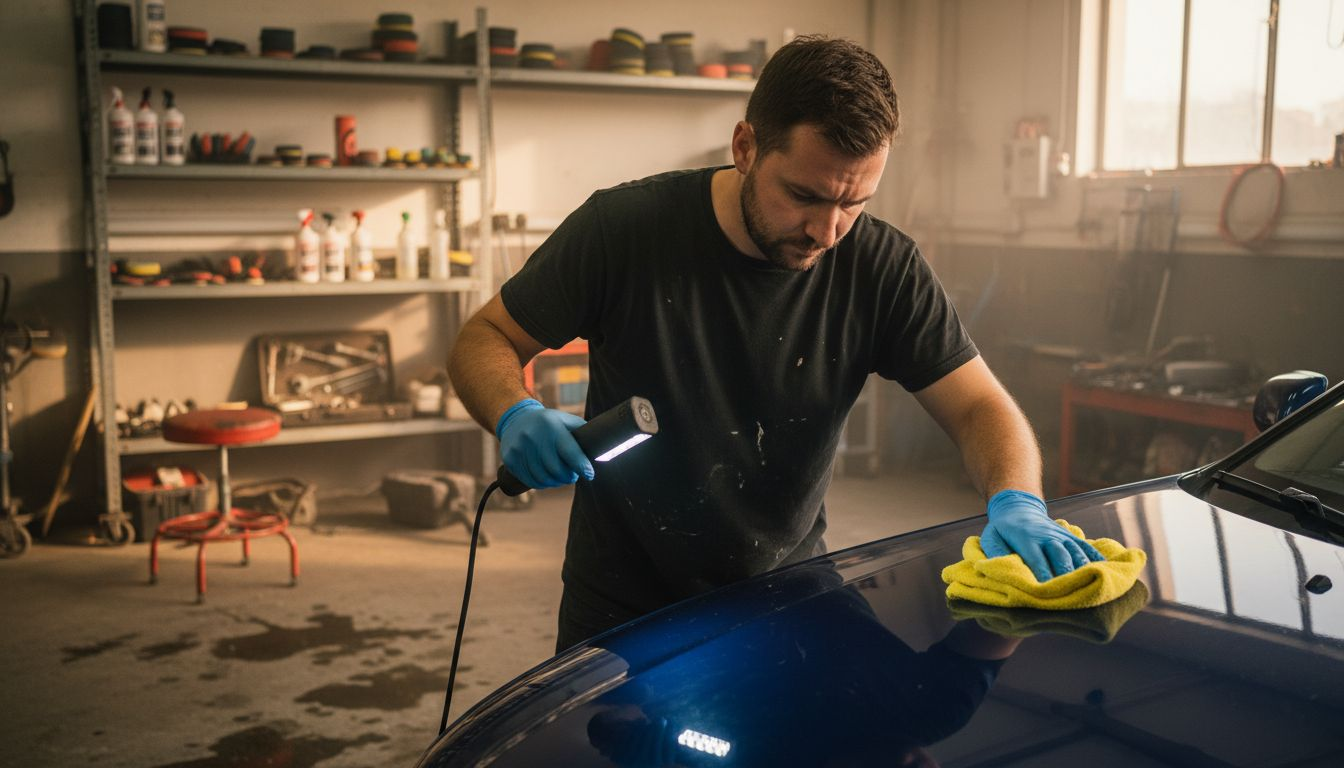
Tackling paint correction on your vehicle can feel intimidating if you are not sure where to start. Each overlooked scratch or hidden contaminant can undermine your results and leave you frustrated with the finish. To achieve a truly flawless shine, you need more than just good intentions—you need a proven series of steps that address every aspect of surface preparation, correction, and protection.
This list will walk you through specific, professional techniques that detailers use to assess paint defects, clean and decontaminate surfaces, safely test paint thickness, and more. You’ll discover smart preparation strategies and correction methods that transform your vehicle’s paint, giving you results you can be proud of.
Get ready to learn the secrets behind lasting, showroom-level paint correction. Each action on this list gives you direct, actionable insight to help you work smarter and protect your vehicle’s finish for the long haul.
Table of Contents
Quick Summary
Takeaway | Explanation |
1. Inspect Paint Thoroughly | Conduct a detailed inspection under various lighting conditions to identify all paint defects accurately. |
2. Use Proper Washing Techniques | Implement a two-bucket wash and chemical decontamination process to ensure no contaminants remain on the surface. |
3. Measure Paint Thickness Accurately | Use a digital paint thickness gauge to assess paint depth and avoid damaging the vehicle during correction. |
4. Choose the Right Tools | Match the polishing pad and compound carefully to the paint type and imperfection severity for best results. |
5. Seal and Protect After Correction | Apply a durable sealant or ceramic coating to protect the corrected paint and maintain its finish long-term. |
1. Inspect Paint Surface for Defects and Contaminants
Beginning a paint correction process requires a meticulous surface inspection to identify and map out every imperfection lurking on your vehicle’s finish. Professional detailers know that systematic surface assessment techniques are crucial for achieving a flawless result.
A comprehensive paint surface inspection involves several critical steps:
Examine the paint under bright, direct lighting
Use natural daylight or specialized detailing lights
Employ a cross-polarization method to reveal hidden defects
Utilize the wetting technique to expose subtle imperfections
Defects you might encounter range from minor to significant surface issues:
Swirl marks from improper washing
Light oxidation patches
Micro scratches
Dirt inclusions
Chemical etching from environmental contaminants
Professional detailers understand that each defect tells a story about the vehicle’s history and requires a specific correction approach. Identifying these imperfections precisely allows for targeted, effective paint restoration.
A meticulously inspected paint surface is the foundation of a truly professional detailing result.
Pro tip: Always inspect your vehicle’s paint surface in multiple lighting conditions to ensure you catch every potential defect.
2. Wash and Decontaminate Exterior Thoroughly
Prepping your vehicle’s paint surface requires a strategic and methodical approach to remove every trace of contaminant before correction begins. Paint decontamination involves precise chemical treatments designed to eliminate bonded surface impurities.
A comprehensive exterior wash and decontamination process includes multiple critical stages:
Use a two-bucket washing method
Select a pH-neutral automotive soap
Apply specialized chemical decontamination agents
Utilize clay bar treatment for final surface purification
The decontamination sequence should follow this systematic order:
Initial rinse to remove loose debris
Alkaline presoak to break down organic contaminants
Chemical iron removal treatment
Tar and sap elimination
Clay bar surface treatment
Professional detailers understand that each step serves a specific purpose in preparing the paint for correction. Skipping or rushing through these stages can compromise the final finish and potentially cause additional damage.
Thorough decontamination transforms your vehicle’s surface from merely clean to professionally prepared.
Pro tip: Always work in a shaded area and use microfiber towels to prevent introducing new scratches during the wash and decontamination process.
3. Test Paint Thickness for Safe Correction
Paint correction requires precision and an understanding of your vehicle’s unique surface characteristics. Paint thickness measurements are critical for preventing damage during the refinishing process.
Modern vehicles often have surprisingly thin paint layers that demand careful assessment before any correction work begins. Professional detailers recognize that thoughtless polishing can quickly burn through delicate clear coat layers.
Key considerations for accurate paint thickness testing include:
Use a digital paint thickness gauge
Test multiple points on each vehicle panel
Understand manufacturer’s original paint specification
Record measurements for future reference
The comprehensive paint thickness testing process involves:
Select high precision digital measurement tool
Calibrate gauge on known reference surface
Take readings across different panel areas
Average measurements to determine safe correction depth
Document findings before beginning correction
Most contemporary vehicles have paint thickness ranging between 100-150 microns, with clear coat typically representing 40-60 microns of that total measurement.
Precise paint thickness measurement prevents irreversible damage and ensures professional-grade results.
Pro tip: Invest in a high-quality digital paint thickness gauge and practice taking measurements on multiple surfaces to develop consistent technique.
4. Choose the Right Compound and Polishing Pad
Selecting the perfect compound and polishing pad combination is an art form that separates amateur detailing from professional-grade results. Polishing pad selection directly impacts paint correction effectiveness and requires strategic decision making.
The world of paint correction involves matching specific pad types with corresponding compounds to achieve optimal surface refinement. Different pad materials and textures play crucial roles in addressing various paint imperfections.
Key considerations for compound and pad selection include:
Evaluate paint defect severity
Match pad hardness to correction intensity
Consider vehicle paint type and age
Understand pad material characteristics
Polishing pad categories range from most aggressive to least:
Heavy cutting foam pads
Medium cutting microfiber pads
Soft polishing foam pads
Finishing microfiber pads
Ultrasoft finishing pads
Professional detailers understand that each pad type requires specific machine speed and pressure settings to prevent potential paint damage.
The right pad and compound combination can transform a dull surface into a mirror-like finish.
Pro tip: Always start with the least aggressive pad and compound combination and progressively work toward more intense correction techniques.
5. Apply Paint Correction Techniques Evenly
Mastering even paint correction techniques is the difference between a professional finish and an amateur attempt. Methodical application ensures uniform paint refinement with stunning visual results.
Precise paint correction demands controlled motion and strategic technique. Your goal is to remove imperfections while preserving the delicate clear coat layer through consistent application.
Key strategies for uniform paint correction include:
Maintain consistent machine speed
Use moderate and controlled pressure
Work in small manageable sections
Apply cross-hatch or overlapping passes
Clean pad surfaces frequently
Professional paint correction workflow follows these essential steps:
Spread compound evenly before machine operation
Use polisher’s weight as natural pressure
Work in 2x2 foot sections
Overlap passes by 50 percent
Monitor pad and surface temperature
Remove residue thoroughly between passes
Detailing professionals understand that patience and precision are more important than aggressive force when refining paint surfaces.
Consistency transforms good paint correction into exceptional results.
Pro tip: Practice your technique on a less visible panel first to develop muscle memory and understand how different pressures and speeds affect paint refinement.
6. Inspect Work Under Proper Lighting Conditions
Precise paint correction demands visual accuracy that only comes from strategic lighting techniques. Professional detailers use specialized lighting methods to reveal hidden surface imperfections.
Lighting is not just about brightness but about revealing subtle paint defects that escape casual observation. Different color temperatures and angles can dramatically transform your ability to assess paint correction progress.
Key considerations for optimal inspection lighting include:
Use daylight-balanced LED lights
Select high color rendering index (CRI)
Utilize multiple lighting angles
Adjust light temperature for paint color
Employ portable inspection lamps
Recommended lighting setup for comprehensive paint assessment:
Overhead ambient LED lighting
Strategic side lighting for panel details
Handheld focused inspection lamps
Adjustable color temperature lights
High lumen output fixtures
Professional detailers understand that light reveals what the naked eye cannot perceive.
Proper lighting transforms paint correction from guesswork to precision.
Pro tip: Invest in an adjustable LED inspection light with multiple color temperature settings to maximize defect detection across different paint colors and surfaces.
7. Seal and Protect the Corrected Paint Surface
After meticulously correcting your vehicle’s paint surface, sealing and protecting becomes the crucial final step in preserving your hard work. Professional paint correction aftercare involves strategic protection techniques to maintain that showroom-quality finish.
Sealant application is more than a simple cosmetic touch. It creates a defensive barrier against environmental contaminants environmental damage, UV rays, and potential scratches.
Key protection strategies include:
Apply ceramic coating or polymer sealant
Use high-quality protective products
Select appropriate protection for your climate
Understand product durability ratings
Plan for periodic reapplication
Comprehensive paint surface protection workflow:
Clean surface thoroughly
Ensure surface is completely dry
Apply sealant in thin, even layers
Allow recommended curing time
Buff to high-gloss finish
Perform routine maintenance inspections
Professional detailers understand that protection is an ongoing commitment to maintaining your vehicle’s aesthetic excellence.
A proper sealant transforms paint correction from a temporary enhancement to a lasting investment.
Pro tip: Avoid automatic car washes and opt for hand washing with pH-neutral automotive shampoo to preserve your newly protected paint surface.
Below is a comprehensive table summarizing the key points and techniques for professional vehicle paint correction as covered in the article.
Step | Action | Key Results |
Surface Inspection | Use bright lighting and techniques like cross-polarization to identify defects. | Identifies thorough imperfections for targeted correction. |
Exterior Decontamination | Employ thorough washing methods including chemical agents and clay bars. | Ensures a contaminant-free surface for correction. |
Paint Thickness Testing | Measure paint depth using digital tools to determine correction safety. | Avoids damaging the clear coat during processes. |
Pad and Compound Selection | Match pads and compounds with paint conditions and defect severity. | Achieves optimal correction and surface smoothness. |
Correction Application | Practice even motion techniques with controlled pressure. | Ensures consistent paint refinement results. |
Lighting for Inspection | Apply strategic lighting setups to reveal subtle defects. | Provides clear visibility of paintwork outcomes. |
Sealing and Protection | Utilize sealants or ceramic coatings with proper application. | Adds a durable layer preserving the paint’s condition. |
Achieve a Flawless Finish with Expert Paint Correction and Protection
The “7 Step Paint Correction Checklist for Flawless Finishes” expertly outlines the challenges of uncovering and correcting every paint imperfection from swirl marks to micro scratches while protecting delicate clear coat layers. You want precision, consistent application, and a durable seal to preserve your vehicle’s showroom shine. At Optyx Auto Studio, we understand the importance of careful paint thickness testing, choosing the right compound and pad, and thoroughly sealing the corrected surface with premium protection products.

Transform your vehicle with our elite paint correction services combined with industry-leading ceramic coatings and paint protection film. Our certified installers use top-tier products and precise techniques designed to enhance and safeguard your car’s finish for the long term. Don’t wait for imperfections to worsen. Experience the difference of professional-grade detailing at Optyx Auto Studio and ensure every inch of your vehicle shines flawlessly. Visit us today to schedule your consultation and protect your investment with luxury automotive upgrades tailored just for you.
Frequently Asked Questions
What are the key steps in the 7 Step Paint Correction Checklist for Flawless Finishes?
The key steps include inspecting the paint surface for defects, thoroughly washing and decontaminating the exterior, testing paint thickness, choosing the right compound and polishing pad, applying paint correction techniques evenly, inspecting your work under proper lighting conditions, and finally sealing and protecting the corrected paint surface.
How can I effectively inspect my vehicle’s paint surface for defects?
To effectively inspect your vehicle’s paint surface, examine it under bright, direct lighting, using both natural daylight and specialized detailing lights. This will help you identify imperfections such as swirl marks and micro scratches that need attention.
What is the importance of testing paint thickness during the paint correction process?
Testing paint thickness is crucial to prevent damage to the vehicle’s clear coat during correction. Use a digital paint thickness gauge to take measurements at multiple points, ensuring you remain within safe levels for correction, typically around 100-150 microns total.
How should I choose the right compound and polishing pad for paint correction?
Choose your compound and polishing pad based on the severity of the paint defects and the type of vehicle paint you are working with. Start with the least aggressive pad and compound combination, progressively moving to more intense options as needed to achieve optimal results.
What techniques should I use to ensure even paint correction?
To ensure even paint correction, maintain consistent machine speed and controlled pressure while working in small sections. Use overlapping passes and frequently clean your pads to avoid introducing new imperfections during the correction process.
How can I effectively seal and protect my vehicle’s paint surface after correction?
To effectively seal and protect your vehicle’s paint surface, apply a high-quality sealant in thin, even layers after the correction is complete. Allow for the recommended curing time and perform routine maintenance inspections to preserve the flawless finish.
Recommended



Comments