
Automotive Paint Protection: Lasting Beauty and Value

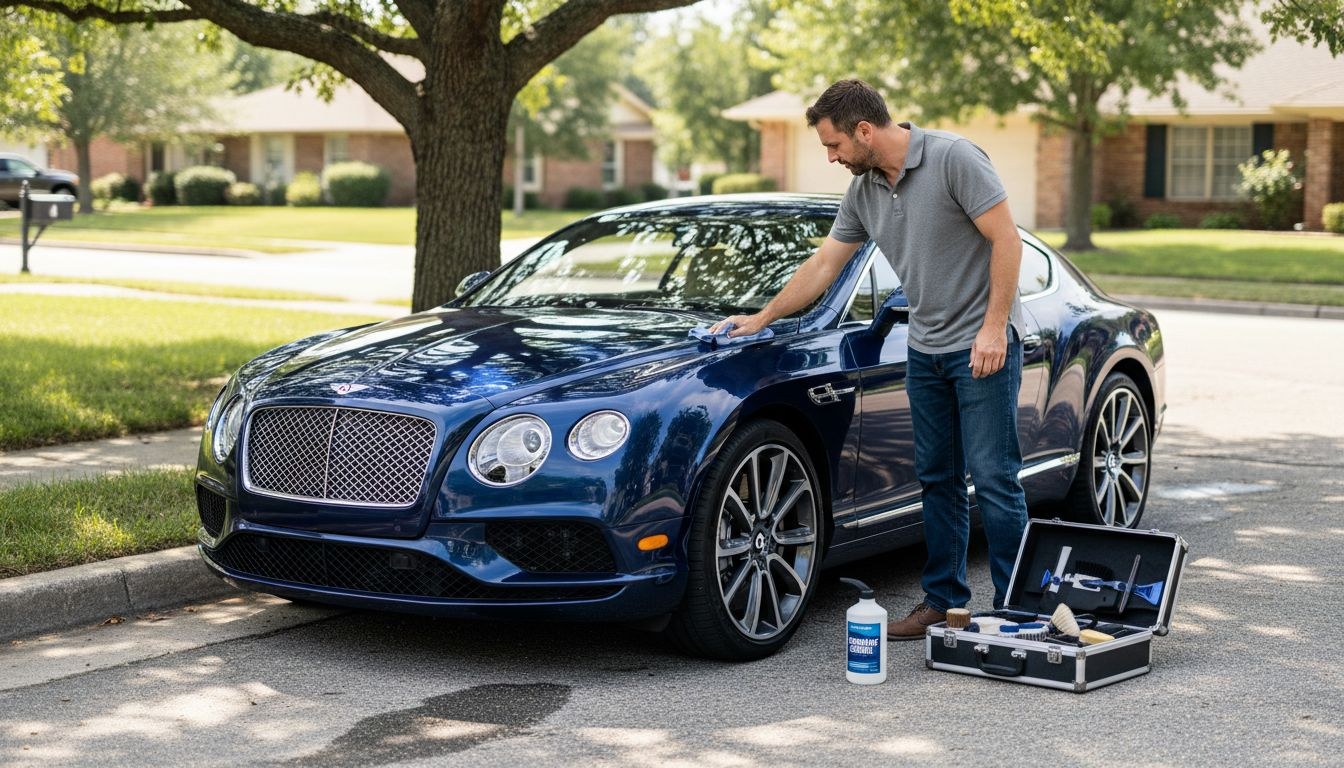
Most American luxury vehicle owners invest thousands in their cars’ flawless finishes, yet Spokane’s unpredictable climate can quickly erode that pristine look. A single summer hailstorm or winter road treatment risks costly damage that simple washing cannot prevent. This introduction spotlights proven paint protection methods engineered to shield your investment, offering practical insights to strengthen your vehicle’s aesthetics and market value over time.
Table of Contents
Key Takeaways
Point | Details |
Importance of Paint Protection | Protective automotive coatings preserve both aesthetic appeal and structural integrity, enhancing a vehicle’s longevity. |
PPF Versus Ceramic Coatings | Paint Protection Film (PPF) offers physical protection, while ceramic coatings provide chemical resistance; a combined approach maximizes defense. |
Common Mistakes | Surface contamination and low-quality materials can lead to protective failures; professional installation and regular maintenance are essential. |
Value Preservation for Luxury Cars | Advanced paint protection technologies significantly contribute to maintaining resale value and overall investment quality for luxury vehicle owners. |
Automotive paint protection essentials explained
Automotive paint protection is a sophisticated approach to preserving your vehicle’s exterior aesthetic and structural integrity. Protective automotive coatings are crucial technologies that shield vehicles from environmental damage, corrosion, and everyday wear. These advanced protective solutions range from specialized films to multi-layer coating systems designed to maintain your vehicle’s pristine appearance.
Understanding paint protection film (PPF) reveals its remarkable origins and current applications. Originally developed for military helicopter blade protection, PPF has evolved into a premier automotive preservation technology. Certified professionals strategically apply these thermoplastic urethane films to high-impact areas like hoods, front bumpers, and side mirrors, creating an invisible shield against stone chips, bug splatters, and minor abrasions.
Modern automotive paint protection involves multiple layers of defense. Professional-grade solutions typically include primer coatings, base layers, and clear protective films that work together to repel environmental contaminants, resist UV degradation, and prevent microscopic damage. These comprehensive protection strategies not only maintain your vehicle’s visual appeal but also significantly contribute to preserving its market value by preventing premature wear and aesthetic deterioration.
Pro tip: Invest in professional installation of paint protection films by certified technicians who understand precise application techniques and can minimize visible film edges for a seamless, undetectable protective layer.
Paint protection film versus ceramic coatings
When it comes to protecting your vehicle’s pristine paint finish, two premier technologies stand out: paint protection film (PPF) and ceramic coatings. Ceramic coatings represent an advanced surface treatment that provides a unique approach to automotive paint preservation, offering distinctly different benefits from traditional protective methods.
Paint Protection Film (PPF) is a physical barrier designed for direct mechanical protection. As a clear thermoplastic film, PPF is strategically applied to vulnerable vehicle areas like hoods, bumpers, and side mirrors. Its self-healing properties allow minor scratches to disappear, while providing robust protection against rock chips, bug splatters, and road debris. The film acts as a sacrificial layer, absorbing impacts that would otherwise damage the vehicle’s original paint surface.
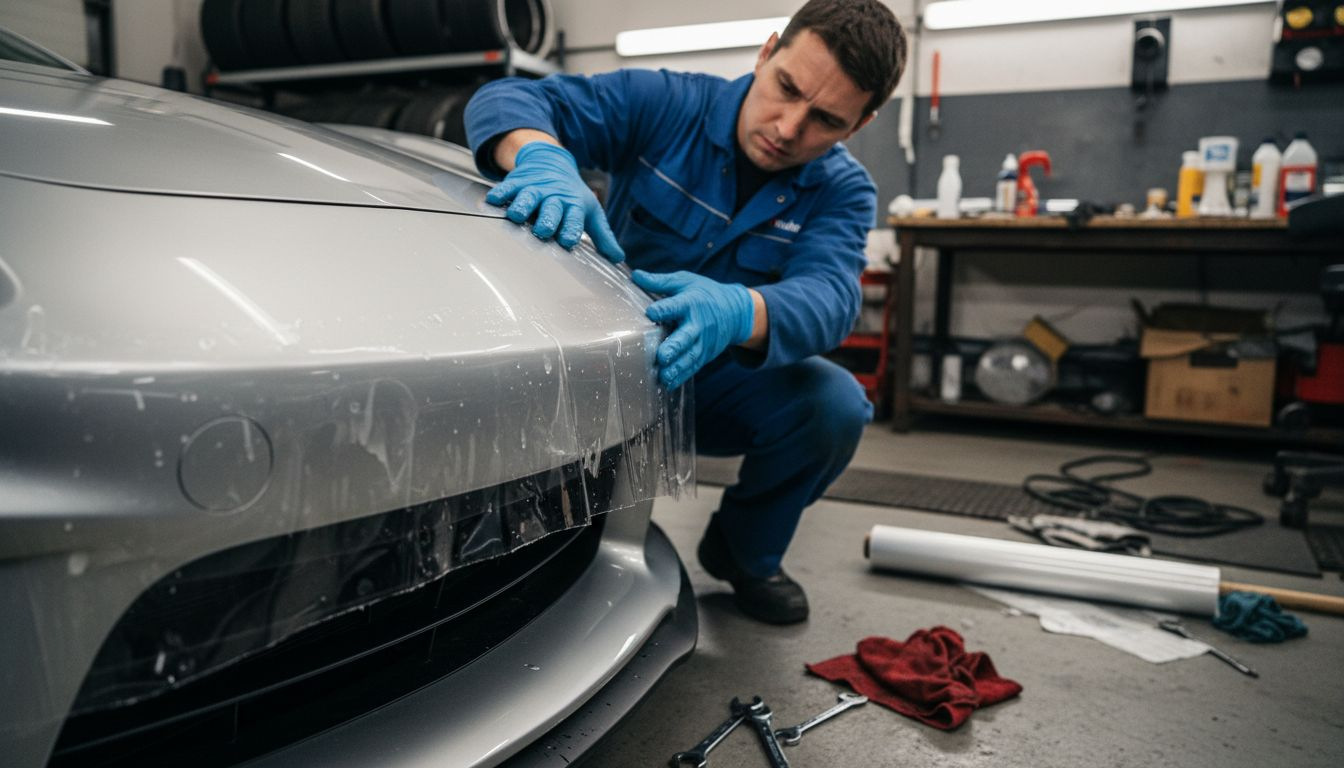
In contrast, ceramic coatings work differently by creating a chemically bonded, ultra-thin protective layer directly on the paint surface. These inorganic coatings are renowned for their exceptional heat resistance, chemical durability, and hydrophobic properties. While PPF offers physical impact protection, ceramic coatings provide a hard, glossy surface that repels water, prevents chemical staining, and maintains the vehicle’s shine. The primary distinction lies in their application and protective mechanisms: PPF physically blocks damage, whereas ceramic coatings chemically enhance the paint’s resistance to environmental contaminants.
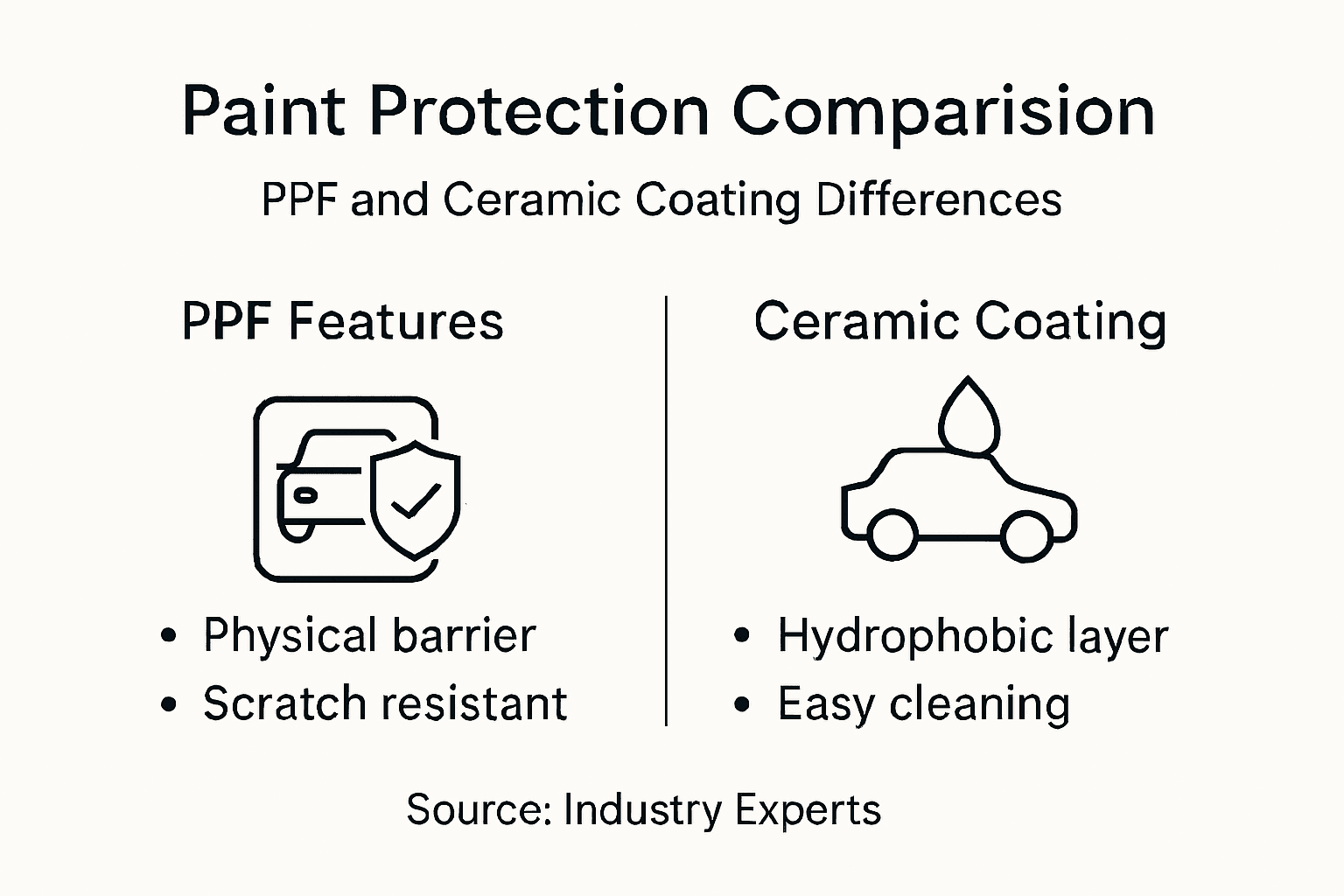
Pro tip: Consider a comprehensive protection strategy that combines both PPF for high-impact areas and ceramic coatings for overall surface enhancement, providing maximum defense against environmental and mechanical damage.
Here’s a comparison of paint protection film and ceramic coatings to clarify their primary strengths:
Attribute | Paint Protection Film (PPF) | Ceramic Coating |
Core Function | Physical impact barrier | Chemical resistance layer |
Best Suited For | High-impact areas | Entire vehicle surface |
Self-Healing Capability | Heals minor scratches | Not self-healing |
Finish Appearance | Virtually invisible | Glossy, slick surface |
Typical Durability | 5-10 years | 2-5 years |
Installation Complexity | Professional application needed | Skilled application required |
Maintenance Needs | Occasional cleaning | Regular washing, less waxing |
How protection technologies work on vehicles
Vehicle protection technologies represent a sophisticated approach to maintaining automotive integrity through multilayered defense mechanisms. Integrated sensor systems and protective technologies work synergistically to safeguard both physical surfaces and critical electronic components. These advanced protection strategies encompass everything from surface treatments to comprehensive cybersecurity frameworks that shield vehicles from potential damage and operational vulnerabilities.
Physical protection technologies focus on preserving the vehicle’s exterior and structural components. Surface coatings like ceramic layers and paint protection films create microscopic barriers that resist environmental contaminants, ultraviolet radiation, and mechanical abrasions. These protective layers function as sacrificial shields, absorbing potential damage that would otherwise compromise the vehicle’s original finish. Vehicle cybersecurity frameworks complement these physical protections by implementing sophisticated electronic defense mechanisms that monitor and prevent potential system breaches.
The most advanced protection technologies integrate multiple defensive layers. Electronic systems employ complex sensor networks that continuously monitor vehicle performance, detecting potential mechanical or digital threats in real-time. These intelligent protection systems can automatically adjust vehicle parameters, redistribute protective resources, and provide early warning signals about potential vulnerabilities. By combining physical surface treatments with cutting-edge electronic monitoring, modern vehicles achieve an unprecedented level of comprehensive protection that extends far beyond traditional maintenance approaches.
Pro tip: Invest in professional protective technologies that offer comprehensive coverage, combining surface treatments with advanced electronic monitoring to maximize your vehicle’s longevity and performance.
Real-world impact for luxury car owners
Luxury vehicle owners understand that their automotive investments require exceptional protection strategies beyond standard maintenance. Paint protection technologies play a critical role in preserving the aesthetic excellence and long-term value of high-end automobiles. These sophisticated protective solutions go far beyond cosmetic concerns, representing a strategic approach to maintaining vehicular integrity and financial investment.
The real-world implications of advanced paint protection are substantial for luxury car enthusiasts. Resale value preservation becomes a critical consideration, with professionally protected vehicles maintaining significantly higher market values compared to unprotected counterparts. Vehicle paint integrity directly influences forensic identification and can impact everything from insurance assessments to potential legal documentation. Professional-grade protection technologies create microscopic barriers that shield against environmental contaminants, ultraviolet radiation, and mechanical abrasions, ensuring the vehicle’s finish remains pristine under diverse conditions.
Beyond aesthetic preservation, paint protection technologies offer nuanced benefits for discerning car owners. These advanced treatments provide comprehensive defense against road debris, chemical stains, bird droppings, and oxidation processes that can incrementally degrade a vehicle’s exterior. Professional-grade ceramic coatings and paint protection films create invisible yet robust shields that maintain the vehicle’s original factory finish, effectively extending the automobile’s visual appeal and structural integrity. The investment in these technologies represents a proactive approach to automotive maintenance, transforming protection from a reactive expense into a strategic long-term asset management technique.
Pro tip: Schedule annual professional inspections of your paint protection treatments to ensure ongoing effectiveness and address any potential micro-damages before they become significant issues.
Common mistakes and pitfalls to avoid
Automotive paint protection requires precision and expertise, with numerous potential pitfalls that can compromise the effectiveness of protective treatments. Automotive coating application involves complex processes where even minor errors can result in significant long-term damage. Understanding these common mistakes is crucial for vehicle owners seeking to maintain their automotive investment’s aesthetic and protective qualities.
One of the most critical errors occurs during the initial preparation and application phase. Surface contamination represents a significant risk that can lead to catastrophic coating failures. Hazardous materials and improper application techniques can create defects like craters, poor edge coverage, and compromised protective barriers. These issues manifest as microscopic imperfections that not only diminish the vehicle’s appearance but also reduce the protective layer’s effectiveness against environmental threats like UV radiation, chemical stains, and mechanical abrasions.
Professional-grade paint protection demands meticulous attention to detail and sophisticated application techniques. Common mistakes include rushed surface preparation, using low-quality materials, attempting do-it-yourself applications without proper training, and neglecting ongoing maintenance. Luxury vehicle owners frequently underestimate the complexity of paint protection, mistakenly believing that a single application provides permanent defense. In reality, protective technologies require periodic professional inspection, potential touch-ups, and a comprehensive understanding of the specific environmental challenges facing the vehicle.
This summary highlights common paint protection mistakes to watch for:
Mistake | Potential Effect | Prevention Tip |
Inadequate surface cleaning | Coating failure, poor adhesion | Thorough pre-application prep |
Using low-quality materials | Shortened protection lifespan | Invest in premium products |
DIY application without expertise | Uneven coverage, visible flaws | Hire certified professionals |
Ignoring regular maintenance | Diminished effectiveness | Schedule periodic inspections |
Pro tip: Always consult certified automotive protection specialists who can assess your specific vehicle’s needs and recommend a tailored protection strategy that accounts for your local environmental conditions and driving habits.
Preserve Your Vehicle’s Beauty with Expert Paint Protection at Optyx Auto Studio
The challenge of maintaining your car’s flawless paint finish against daily wear, environmental damage, and mechanical impacts is real. This article highlights key solutions like paint protection film (PPF) and ceramic coatings that work together to shield your vehicle from rock chips, UV rays, and chemical stains while maintaining luxury-level aesthetics. At Optyx Auto Studio, we understand how crucial it is to combine these technologies with professional precision to maximize protection and preserve your vehicle’s value.
Experience the difference of certified installers and meticulous application techniques that minimize visible edges and ensure seamless coverage. Whether you want to protect high-impact areas with premium PPF or enhance your entire vehicle’s surface with advanced ceramic coatings, our 35 years of expertise deliver unmatched quality and durability. Don’t wait until minor scratches or stains become costly problems. Visit Optyx Auto Studio today to secure your vehicle’s lasting beauty and value with a tailored paint protection strategy. Explore our full range of services including ceramic coatings and paint protection film crafted for discerning car owners like you.
Frequently Asked Questions
What is automotive paint protection film (PPF)?
Automotive paint protection film (PPF) is a clear thermoplastic urethane film applied to the vehicle’s exterior. It provides a physical barrier against mechanical damage, like rock chips and minor scratches, particularly in high-impact areas.
How do ceramic coatings differ from paint protection films?
Ceramic coatings create a chemically bonded protective layer on the paint surface that enhances water repellency and chemical resistance, while paint protection films act as a physical shield against abrasions and impacts. Combining both can offer comprehensive protection.
How long does paint protection film typically last?
Paint protection film (PPF) generally lasts between 5 to 10 years, depending on the quality of the film, the installation, and maintenance practices.
What maintenance do paint protection treatments require?
Paint protection treatments require regular washing to remove contaminants, along with occasional professional inspections to address any micro-damages and ensure the continued effectiveness of the protection.
Recommended


Comments